Early zinc prevention key as farmers prepare for Facial Eczema season
As we move towards the warmer, more humid months, farmers across New Zealand are already preparing for the annual challenge of facial eczema (FE).




 increase font size

Reports that farm revenue is not matching increases to input costs mean farmers need to be acutely focused on maximising production.
Altum animal nutrition manager Jackie Aveling says summer is here with warmer temperatures and higher humidity but they also signal the potential for facial eczema.
"Dairy and beef cattle, sheep, deer and goats are all susceptible. For dairy farmers in particular, facial eczema can put a real brake on production when they are aiming to make the most of reasonable growing conditions at a time when peak production can taper off," says Aveling.
Facial eczema damages the liver and causes inflammation of the bile ducts and an accumulation of certain compounds resulting in sensitivity to sunlight.
Sub-clinical facial eczema resulting from exposure to the toxin sporadesmin could result in an immediate drop in milk production even before physical signs appear.
"It's possible that farmers will not be aware of the full extent of a facial eczema problem until it's too late. If as little as 3% of the herd show clinical signs of facial eczema, then subclinical cases can affect up to 70% of the herd.
"This can eat into dairy profits with a drop in production in affected animals by up to 50%, and with a fluctuating returns for commodities, farmers want to ensure every cent hits the bank."
Monitoring spore counts through summer and autumn and having an early plan of attack for facial eczema in place will ensure the hard work being put into maintaining a healthy herd pays off in sustained production.
Spore counts increase where grass temperatures are above 12C for three consecutive nights and can vary from farm to farm and even between paddocks.
"Farmers also need to take into account the cumulative effect of spore consumption. A count of 60,000 is considered high risk, but stock can still be affected with cumulative effects at lower counts."
Zinc treatment during the season from late December to May is recommended. The challenge is that the common practice of dosing troughs with zinc sulphate doesn't guarantee the desired result, as zinc tastes bitter and can reduce water intake.
The solution is to improve the taste, which Altum has done with Zincmax+ which is a combination facial eczema treatment with Agricultural Compounds and Veterinary Medicines (ACVM) registration. Its peppermint taste makes it palatable and it includes organic copper. The taste helps ensure herds keep up their water consumption, which is important given their needs can exceed 100 litres at this time of year.
The organic copper helps offset zinc's antagonistic affect which reduces the absorption of this important trace element. Copper is important for production, immune response and also cycling ahead of breeding. Low copper levels can also affect growth and fertility in heifers.
As we move towards the warmer, more humid months, farmers across New Zealand are already preparing for the annual challenge of facial eczema (FE).
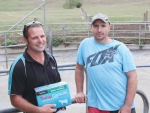
Agritrade's Time Capsule bolus is credited with dealing soundly to facial eczema (FE) on the Martinovich family farm at Mangatangi, south of Auckland, the product supplier reports.
WHILE HOT humid weather across the country has provided the perfect conditions for lush pasture cover this spring, farmers need to stay alert for an increased risk of facial eczema through summer.
Ballance Agri-Nutrients has appointed Willie Thomson to a new role of general manager group sales and strategy, responsible for both the Ballance and Altum brands and customer services. He retains responsibility for strategy development.
Ahead of the facial eczema risk season, farm nutrition company Altum is releasing a new treatment formula.
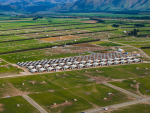

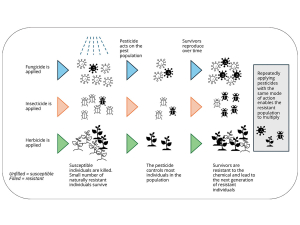
Growers and farmers are being encouraged to have an important conversation before the coming season starts: how to prolong the effectiveness of the crop protection tools they rely on.
A new digital assistant is now helping Ballance Agri-Nutrients farmers speed up nutrient information and ordering.
New Zealand apple and pear industry stakeholders are out in force for the annual conference in Queenstown.
Cameron Reed lives between two worlds.
Improving health and safety is about incremental gain rather than a sudden decision, says Leeston farmer and Federated Farmers health and safety spokesman David Birkett.


A fair question has been raised about how member-funded organisations should conduct themselves when taking a public position on any…
OPINION: It really is getting harder to lampoon government bureaucrats when they do such a good job of it themselves.…