OSPRI is reminding farmers and lifestylers that they must register their newborn calves in the NAIT online system.
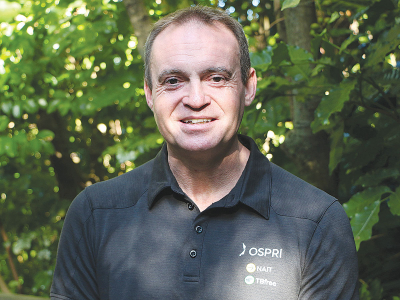
“Tagging your calves is only half the job.
“You also need to activate the tag in the NAIT system to register the animal – within 180 days of birth or before their first off farm movement whichever comes first,” says Kevin Forward, head of NAIT.
Farmers who register calves via information provisers LIC, CRV or Farm IQ must ensure the registration has also synced through to their NAIT account before the animals go off farm.
OSPRI is also advising farmers to check with their information provider on what to do to meet NAIT obligations.
“When tagged calves are not registered in NAIT, they become auto registered by the NAIT system when the first movement is recorded,” Forward says. “This results in a loss of lifetime traceability and impacts on our ability to respond to a biosecurity threat.”
He says a loss of lifetime traceability may also impact on the value of the animal.
“Farmers know more about biosecurity risks to their farms as a result of M. bovis, and more farmers are demanding to know the lifetime history of livestock before making purchasing decisions.”
The management and movement of calves is especially important with about 1. 5 million calves reared annually in NZ.
“A farmer selling calves must record a sending movement in the NAIT online system,” Forward says.
“Likewise, if you’re buying calves remember to record and confirm the movement within 48 hours.
“For traceability, we need to know where your calves are going and it’s in every farmer’s interest to enquire about the calves they are trading and to ensure they exchange an animal status declaration (ASD) form at the point of sale.
“This type of information is invaluable for building lifetime animal traceability -- the cornerstone of NAIT.”
Saleyards can record movements on behalf of farmers if the calves are tagged and registered before they get to the sale.
Lifestyle farmers who rear calves are not exempt and must tag and register their calves even if only one animal is on their property.
“It’s important lifestylers have tagged and registered their calves in NAIT. If you’re bringing them onto your property, check they’re tagged and registered in NAIT and the movement is recorded.