A further ten commercial beef farmers have been selected to take part in the Informing New Zealand Beef (INZB) programme to help drive the uptake of genetics in the industry.
The seven-year programme, supported by Beef + Lamb New Zealand and the Ministry for Primary Industries’ (MPI) Sustainable Food and Fibre Futures fund, aims to boost sector profits by $460 million.
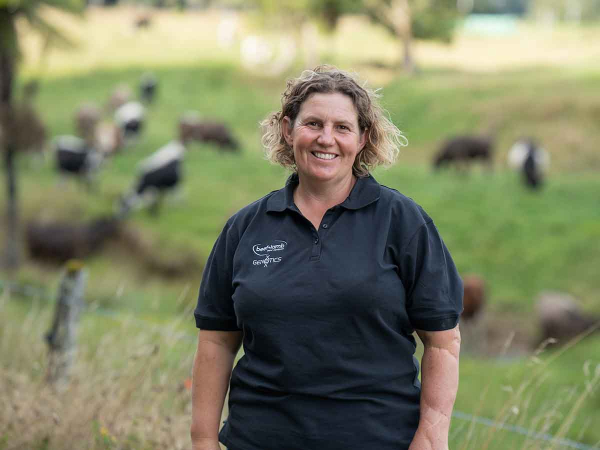
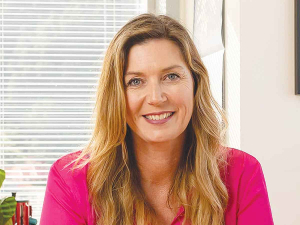
Project lead, commercial herds, Sonya Shaw says that with 10 more farm businesses across the North and South Islands, the INZB programme now has 47 farms.
“Commercial farms are an important part of the programme, as they provide increased linkages throughout the beef industry and contribute to genetic evaluations through recording data and incorporation of data into breeding value prediction,” Shaw says.
She says that ultimately, this will increase the accuracy with which breeding values, or genetic merit, can be estimated.
“The INZB programme is helping commercial farmers understand the value of better genetics and offering them the opportunity to easily select the right genetics for their system to drive greater profitability on their farms,” she adds.
The 10 new farmers are from Marlborough, Otago, Manawatu-Whanganui, Hawke’s Bay, Wellington, Waikato and Northland.
The herds represented include Angus, South Devon, Angus x Charolais x Simmental and composite cattle.
“Participating in the programme also helps the farmers to achieve more accurate heifer selection in their herds, which will have a lasting impact on these commercial herds’ progress,” says Shaw.
“The commercial farmers provide the programme with accurate pedigree recording, assessing bull teams’ performances, ensuring accurate information for heifer replacement selection and work with their bull breeders to make more rapid genetic progress.
“The farmers adopt a recording schedule across the year and can also, if they wish, carry out genotyping of their cow herd and, on an annual basis, calves and sires.
“They are also able to benchmark their herd against others involved in the programme.”
This will be the final intake of commercial farmers to the INZB programme, says Shaw.