Beef + Lamb NZ's Lambing Kit Checklist for a Tough Season
With lambing underway in many regions, Beef + Lamb New Zealand is encouraging farmers to put together a wellequipped lambing kit to help minimise lamb losses, particularly in bad weather.




 increase font size
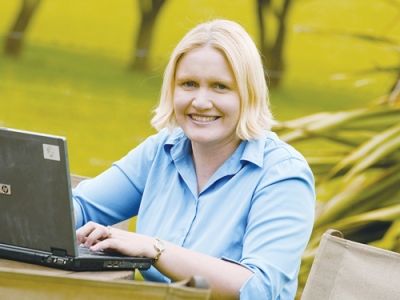 Dr Tricia Johnson.
A unique trial is underway to understand more about the intricacies of sheep feeding.
The first stage is complete but scientists at AgResearch, leading the work, say it's just the beginning of an exciting four years research.
According to Dr Tricia Johnson, a senior scientist on AgResearch's animal genomics team at Invermay, overall the trial went better than hoped for, embarking on such a large scale project involving the technology.
This first look at the data is pointing towards significant animal variation in the trait of feed efficiency, with some sire variation also existing. There is also interesting feeding behaviour evident, with some consistent grazers and gutsy sheep, says Johnson.
Feed efficiency – the measure of how much feed an animal actually eats versus what it should need to eat for maintenance and growth – is being integrated into many worldwide breeding schemes for beef and dairy cattle and is showing to be moderately heritable. Given its importance in these species it is also likely to be important in sheep, says Johnson.
While feed efficiency continues to be ranked in the top 10 traits in the 'Industry Needs Analysis' done by Beef + Lamb New Zealand Genetics, there is no data available in NZ that investigates the genetics associated with it in NZ maternal sheep breeds. In fact, there's little relevant overseas data either.
The trial near Invermay is the first step of the BLNZ Genetics-funded programme.
"What we're aiming to do is collect sufficient data over four years to provide first estimates of the heritability of the trait and genetic correlations between it and other important production traits. Such data will be able to inform decisions about its integration into maternal breeding programmes," Johnson says.
But investigation of this trait required the development of automated feed intake machines capable of real time recording of individual feeding events of sheep in a mob situation using EID technology to differentiate animals.
Though there are off-the-shelf machines that could have been bought from commercial companies, all had been designed for use in cattle or pigs and all had limitations for use with sheep.
Instead 20 automated feeders specifically designed for sheep were built by AgResearch's engineering team at Lincoln and installed ready for use in early July.
The feeders are designed to record the number and size of feeding events each day, from which total feed consumed per day can be calculated. They allow real-time access to the loggers, and can receive text alerts and a daily summary table of data collected per animal, noting any outlier animals, meaning the data is equally being analysed in real time.
The feeders are also portable so they can be used at other sites if required.
At the beginning of July the first 200 ewe hoggets from the Woodlands Central Progeny Test, and the genetically-linked Woodlands Coopworth Progeny Test entered the facility.
Also being measured is the full spiral computed tomography (CT) imaging of the animals at the conclusion of their time in the facility because significant relationships between feed efficiency and body fatness have been observed in overseas cattle studies. This data will also provide insight into the variability of the genetics of fat distribution (subcutaneous vs intermuscular vs internal fat reserves).
The researchers will also investigate correlated measurements including heart rate, body temperature (measured using thermal imaging) and methane output (measured using portable accumulation chambers); if any are proven to be correlated to feed efficiency, in the long term they will allow for more rapid screening of feed efficient sheep.
This trial will be repeated at the same time next year. A first look at the data was taken in preparation for the Association for the Advancement of Animal Breeding and Genetics Conference in Lorne, Victoria in September, Johnson says.
"Overall the trial went better than we could have hoped for embarking on such a large scale project involving the technology."
With lambing underway in many regions, Beef + Lamb New Zealand is encouraging farmers to put together a wellequipped lambing kit to help minimise lamb losses, particularly in bad weather.
Will a stronger, more coordinated voice help rebuild confidence and improve returns in the wool sector?
Last night saw the winners of the 2026 Beef + Lamb New Zealand (B+LNZ) Awards named at a gala dinner at Te Pae Christchurch Convention Centre.
Matt McRae, a farmer from Mokoreta in Southland who runs a sheep, beef and dairy support business alongside a sheep stud, has been elected to the Beef +Lamb NZ Board as a farmer director.
A significant breakthrough in understanding facial eczema (FE) in livestock brings New Zealand closer to reducing the disease’s devastating impact on farmers, animals, and rural communities.

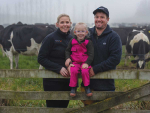
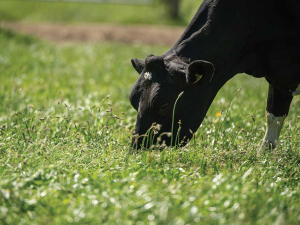
Farms across the upper North Island are trialling different pasture mixes as part of a research programme that aims to build greater resilience into farming systems.
Election years are always a concerning time for farmers, according to DairyNZ chair Tracy Brown.
The Ballance Farm Environment Awards are coming to the West Coast of the South Island.
Most dairy regions around the country have had a pretty good season so far says Tracy Brown.
Rural leader Mark Hooper has been appointed as an independent director to the NZPork board, bringing extensive farming, governance and advocacy experience to the role.




OPINION: The same mainstream media muppets that brought you Jacindamania in 2017 have been flat out pimping for the Opportunities…
OPINION: Your old mate reckons the atrocious way farmers in the UK are treated by their lords and masters in…