Vets: Move Fireworks From Backyards to Licensed Public Displays
With fireworks on sale from today and the election five days away, the NZ Veterinary Association says the issue deserves another look.




 increase font size
New Zealand's veterinary profession has a leadership role to play in farm animal welfare, says an animal welfare advisor at the Ministry of Primary Industries.
Speaking from the Pan Pac Veterinary Conference in Brisbane, veterinarian and specialist adviser Dr Richard Wild, says that the contribution of veterinarians to animal welfare is becoming increasingly complex.
"The importance of farm animal welfare will continue to rise, as people around the world seek assurances that their food is produced in welfare friendly systems. The veterinary profession has a key role to play, in areas such as assurance and verification services, bringing an ethical perspective and a strong evidence base to animal health and welfare," he says.
"Veterinarians also have responsibilities at both the individual and collective level to show leadership and facilitate debate, helping to inform the public and guiding the evolution of animal welfare standards."
Wild says that while New Zealand ranked first on animal welfare standards (along with the United Kingdom, Austria and Switzerland) in last year's global Animal Protection Index "this enviable reputation is hard won and easily lost."
"That's why there's a concerted and coordinated effort in New Zealand, with government, industry and veterinarians working closely together to improve animal welfare outcomes for farm animals and to improve animal welfare compliance and standards."
Wild says that with knowledge of animal welfare and societal expectations expanding greatly throughout the world, New Zealand's veterinary profession must continue to have a leadership role in animal welfare.
He says the NZVA is at the forefront of improving animal welfare, including work to develop ways to better capture data and measure standards of animal welfare.
"This will provide us with the tools and information to make the most needed improvements in managing animal welfare issues.
"The veterinary profession needs to give as much priority to animal welfare, as we do to animal health, animal production, medicine and surgery."
With fireworks on sale from today and the election five days away, the NZ Veterinary Association says the issue deserves another look.
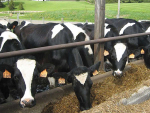
Veterinarians say changes to the code of welfare for dairy cattle provides a positive foundation for improved cattle welfare across the country.
The first major update to the Dairy Cattle Code of Welfare in more than a decade has been released, marking what DairyNZ describes as an important step in ensuring animal welfare standards continue to evolve alongside scientific evidence and on-farm realities.
In Dacre, near Invercargill in New Zealand’s South Island, Bruce Dinnington is running a dairy operation unlike any other.
Rural leader Mark Hooper has been appointed as an independent director to the NZPork board, bringing extensive farming, governance and advocacy experience to the role.


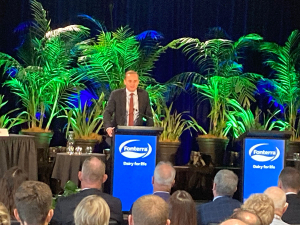
Fonterra’s 2026 financial year was a year of delivery, with record volumes of milk collected, processed and shipped by the co-op.

OPINION: The Government's decision to reinstate agriculture and horticultural science as a standalone subject from Year 11 is the right one.
Dairy farmers, still holding onto their Fonterra shares despite switching milk supply elsewhere or exiting the industry, now face a stricter share sell-down requirement.
Hamilton-based agritech company Aimer Farming has completed a $3 million capital raise to support its next stage of growth, including a beef farming product due to launch in 2027.
When dairy manager Miriam Lauridsen learned the farm, she was joining held weekly health and safety meetings, she initially thought that was “a bit over the top”. Experiencing that culture changed her mind.
Nominations are open for the 2027 Fonterra Dairy Woman of the Year Award.





OPINION: The same mainstream media muppets that brought you Jacindamania in 2017 have been flat out pimping for the Opportunities…
OPINION: Your old mate reckons the atrocious way farmers in the UK are treated by their lords and masters in…