
James Blair Named 2026 Young Grower National Champion
James Blair, an agronomist for AS Wilcox and the Pukekohe regional champion, has won the 2026 Young Grower national title.




 increase font size
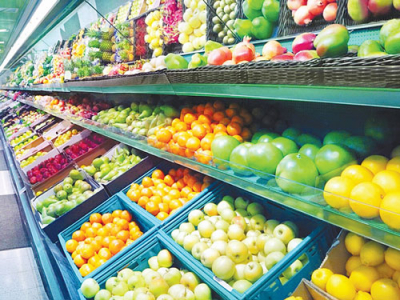
The $5.6 billion horticulture industry is a big contributor to New Zealand’s economic wellbeing.
To keep growing and contributing its acknowledged benefits, Horticulture NZ lists five priorities it believes the next government must address.
1. Biosecurity
Biosecurity is consistently listed as the number-one concern for growers. Given NZ’s heavy reliance on primary industries, a devastating pest or disease could hugely affect individual businesses, families, communities, food supplies and the nation’s economic wellbeing.
In horticulture, we have seen this with Psa, which ravaged Bay of Plenty kiwifruit orchards in 2010 and is still costing growers today. We need government partnership and commitment for both appropriate border control and preparedness for potential incursions.
2. Food security
Growing land tends to be close to urban areas for ease of getting fresh food to consumers in NZ and around the world. We have pockets of land rare in the world, including Pukekohe (near Auckland) and surrounding areas, where soil and climate allow year-round growing of leafy green vegetables. We need to protect this land for affordable, year-round food production. And we need sensible access to water, without which no food grows.
Our most valuable growing land is under threat from houses. Decisions made by local government about land and water use in one area can impact food supply for the whole country, as well as valuable exports. As part of a food security policy, we believe there is a need for central government to be able to consider the national good via a national environmental standard to protect access to land and water for primary producers.
3. Workforce capability
Horticulture is growing faster than the pool of skilled labour. Horticulture participates in many schemes to get NZers into work, including people leaving prisons. We focus on attracting and upskilling NZers first, and we need the education system to be part of equipping people with the right skills for employment.
Where we cannot find skilled workers, we support immigration policies focused on supplying those workers, particularly in big horticulture regions outside Auckland. We also require support for schemes to supply seasonal labour during peak harvest and pruning times, including the Recognised Seasonal Employer (RSE) scheme, widely acknowledged as one of the most successful labour mobility schemes in the world.
4. Country of Origin Labelling (CoOL)
An independent Consumer NZ survey showed that 71% of NZers want mandatory CoOL for fresh fruit and vegetables. The Consumers’ Right to Know (Country of Origin of Food) Bill has had its first reading in Parliament and is under consideration by a parliamentary select committee. We want to see this bill progress into law because people have a right to know where their food comes from.
5. Healthy eating education
Understanding the value of healthy food for positive lifelong health needs to start young. Developing the ability to prepare healthy meals will empower our children and young people to be able to access and enjoy a nutritious diet within their budgetary, cultural, social and time constraints, over a lifetime. The school curriculum is the most appropriate place to teach and develop cooking skills as it reaches all children and provides cross-cultural learning. We want the government to support healthy eating education through the curriculum.
James Blair, an agronomist for AS Wilcox and the Pukekohe regional champion, has won the 2026 Young Grower national title.
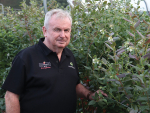
Blueberries have the potential to become a major horticultural export, earning up to $150 million within the next three to five years.
New Zealand needs to make sure that it continues to focus on its own food security, according to HortNZ board member and blueberry grower Dermott Malley.
According to a progress report on the Aotearoa Horticulture Action Plan (AHAP), New Zealand's horticulture sector is making real progress on the big issues facing growers.
Agriculture Minister Todd McClay has admitted that a scheme bringing workers from Pacific nations to work on orchards has become too hard to navigate but says changes are coming.



LIC shareholders have elected a new North Island representative to the co-operative's Board, along with five representatives to its Shareholder Reference Group (SRG), following the company's Annual Meeting held in Invercargill.
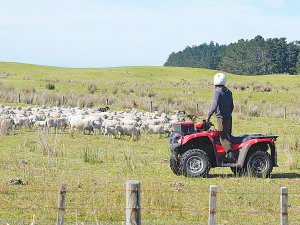
Farmers across parts of Southland and South Otago are continuing to deal with difficult conditions after a prolonged run of wet weather, with pressure building around feed supply, stock management, pasture damage, farm infrastructure and everyday workloads.
Federated Farmers says it welcomes Labour's commitment to reviewing the Sharemilking Agreements Act, calling on other major parties to do the same.
For Canterbury dairy farmers Sian Meijer and Rick Wobben, wearable technology has become one of their most valuable on-farm tools - helping manage 1850 cows across an expansive, high-performing dairy operation while improving efficiency, mating outcomes and day-to-day decision making.
Fonterra has unveiled its annual results for the 2026 financial year, posting $27 billion in revenue and close to $20 billion returned to New Zealand farmer owners and unit holders.
The first major update to the Dairy Cattle Code of Welfare in more than a decade has been released, marking what DairyNZ describes as an important step in ensuring animal welfare standards continue to evolve alongside scientific evidence and on-farm realities.





OPINION: The same mainstream media muppets that brought you Jacindamania in 2017 have been flat out pimping for the Opportunities…
OPINION: Your old mate reckons the atrocious way farmers in the UK are treated by their lords and masters in…




