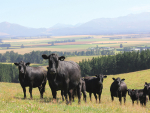
BVD Control Begins Long Before You See A Problem
Bovine Viral Diarrhoea (BVD) is sometimes viewed as a dairy industry issue, but the reality is that the disease can have serious consequences for beef breeding herds as well.




 increase font size

ANOTHER Queesnland fruit fly has been found in Whangarei, near where a single fly was found in January.
The Ministry for Primary Industries (MPI) is investigating the new find of a single male fruit fly in a surveillance trap on Tuesday which was formally identified late yesterday.
MPI Deputy Director General Compliance and Response, Andrew Coleman, says the insect was trapped in the Parihaka area of Whangarei, about 400m from where a single fly was found in January this year.
"However all our information at this stage tells us this detection is a new find and not related to the January incident.
"Queensland fruit fly has been found four times in New Zealand previously, including the January Whangarei detection. In all these earlier cases, increased trapping found no further flies," Coleman says.
MPI has responded promptly and field teams are already working in the area setting additional traps to determine if other fruit flies are present and providing information to residents.
"As in January, it is vital we find out if the insect is a solitary find or if there is a wider population in Whangarei.
"This insect is an unwanted and notifiable organism that could have serious consequences for New Zealand's horticultural industry and home gardeners. It can damage a wide range of fruit and vegetables," Coleman says.
MPI is working closely with international trading partners and the horticultural industry to minimise the risk to New Zealand growers and exporters.
The Ministry is defining a controlled area around the location of the fruit fly detection and the movement of fruit and vegetables out of this area will be restricted. MPI will provide extensive information about this in the near future and will work closely with the local community.
"The Whangarei community were immensely supportive of our efforts earlier this year and we anticipate they will be again. It is, of course, disappointing that this situation has recurred."
Coleman says the most likely way that fruit fly can arrive in New Zealand is in fresh fruit and vegetables. "The Ministry is aware that fruit fly populations have dramatically increased in Australia in recent months and in light of the previous Whangarei find, we have been reviewing our importing requirements for fruit fly risk goods."
See www.biosecurity.govt.nz/pests/queensland-fruit-fly
Bovine Viral Diarrhoea (BVD) is sometimes viewed as a dairy industry issue, but the reality is that the disease can have serious consequences for beef breeding herds as well.

Election years are always a concerning time for farmers, according to DairyNZ chair Tracy Brown.
Testing confirms H5 bird flu in a single northern giant petrel, found dead on a remote Cape Palliser beach in the Wairarapa, says Dr Mary van Andel, the Ministry for Primary Industries' (MPI) Chief Veterinary Officer.
Bovine Viral Diarrhoea (BVD) is sometimes viewed as a dairy industry issue, but the reality is that the disease can have serious consequences for beef breeding herds as well.
Four years since it was first detected in New Zealand, researchers and growers now know much more about management of maize pest fall armyworm (FAW).


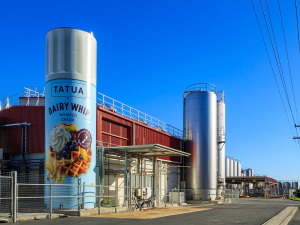
Waikato milk processor Tatua has again declared a record milk payout to farmer shareholders, leaving other processors in the dust.

A Labour-led Government won’t be bringing back the controversial freshwater rules of 2020.
National’s much-touted free trade deal with India featured in the Rural Issues Debate at Mystery Creek, Hamilton on Wednesday night.
New Zealand's 2026-27 freshwater fishing season has opened, with anglers encouraged to head to rivers and lakes over the coming days as conditions look favourable across much of the country.
Central Otago District Council (CODC) has voted against a plan to spread treated sewage sludge from Cromwell and Alexandra on farmland near Lauder, a decision Federated Farmers says reflects strong opposition from rural residents.
Pāmu has released its FY26 Integrated Annual Report, reporting a Net Operating Profit of $113 million, more than double the $49 million recorded in FY25.





OPINION: The same mainstream media muppets that brought you Jacindamania in 2017 have been flat out pimping for the Opportunities…
OPINION: Your old mate reckons the atrocious way farmers in the UK are treated by their lords and masters in…




