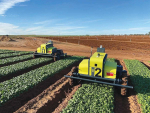
Kilter AX-1: First Autonomous Weeding Robot Lands in NZ
Claimed to be the first autonomous robot for New Zealand vegetables growers, the first Kilter AX-1 unit has arrived in the country.




 increase font size
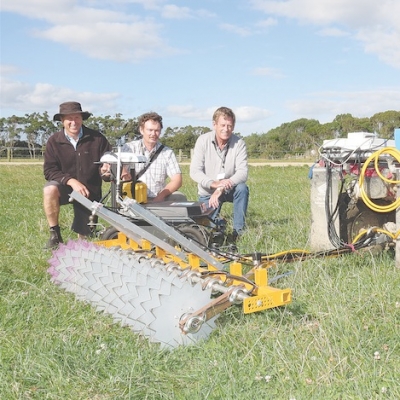 Bert Quin, Geoff Bates, and Peter Bishop show off their device.
A new device which combines robotics, mechanics and chemistry is set to hit the market to combat one of the biggest problems on dairy farms – nitrogen leaching from cow urine patches.
Mini-Me is a robotic device that tows Spikey, which detects urine patches and then sprays them with a liquid nitrogen inhibitor to defuse the patch and encourage greater grass growth around it.
It’s the work of three men: Bert Quin, well known in the fertiliser industry; Geoff Bates, a robotic specialist; and a soil chemist, Peter Bishop.
They demonstrated the device at the recent Fertiliser and Lime Research Centre conference at Massey University last week.
Bates says the pollution source on dairy farms that hasn’t been able to be controlled until now is leaching nitrates; the worst culprit is cow urine patches. “The urine patches are concentrated and the grass can’t absorb it,” he says.
Spikey is fully operational, for towing around paddocks by a quad. Mini-Me, the robot, is in the final stage of development. The plan is to hitch Spikey to Mini Me and unleash them on paddocks.
Quin says the spikes on Spikey cut through herbage in a paddock and ensure the sensors and the spray equipment work properly. The prototype on show has the spikes exposed, but in the commercial version these will be covered, much like a lawn mower.
Claimed to be the first autonomous robot for New Zealand vegetables growers, the first Kilter AX-1 unit has arrived in the country.
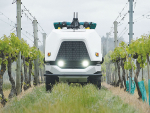
Tauranga-based Robotics Plus has launched its autonomous multi-use, modular vehicle platform for agriculture.
Global giant Deere and Co has acquired Silicon Valley start-up company Bear Flag Robotics, which specialises in autonomous driving technologies for existing plant and machinery.
A small Waikato dairy farm with one Lely Astronaut A4 robot has proven that robotic milking is also effective with a small herd.
Delaval says its latest addition to the VMS product line, the new V310 detects heat and pregnancy automatically during the milking process.



LIC shareholders have elected a new North Island representative to the co-operative's Board, along with five representatives to its Shareholder Reference Group (SRG), following the company's Annual Meeting held in Invercargill.
Farmers across parts of Southland and South Otago are continuing to deal with difficult conditions after a prolonged run of wet weather, with pressure building around feed supply, stock management, pasture damage, farm infrastructure and everyday workloads.
Federated Farmers says it welcomes Labour's commitment to reviewing the Sharemilking Agreements Act, calling on other major parties to do the same.
For Canterbury dairy farmers Sian Meijer and Rick Wobben, wearable technology has become one of their most valuable on-farm tools - helping manage 1850 cows across an expansive, high-performing dairy operation while improving efficiency, mating outcomes and day-to-day decision making.
Fonterra has unveiled its annual results for the 2026 financial year, posting $27 billion in revenue and close to $20 billion returned to New Zealand farmer owners and unit holders.
The first major update to the Dairy Cattle Code of Welfare in more than a decade has been released, marking what DairyNZ describes as an important step in ensuring animal welfare standards continue to evolve alongside scientific evidence and on-farm realities.




OPINION: The same mainstream media muppets that brought you Jacindamania in 2017 have been flat out pimping for the Opportunities…
OPINION: Your old mate reckons the atrocious way farmers in the UK are treated by their lords and masters in…




