NZ Beef Mince Now Over $24/kg as Export Demand Stays Strong
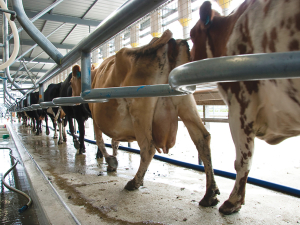
New Zealand consumers are paying more for beef mince than ever before, with the average retail price now sitting above $24 per kilogram, according to Rabobank.




 increase font size
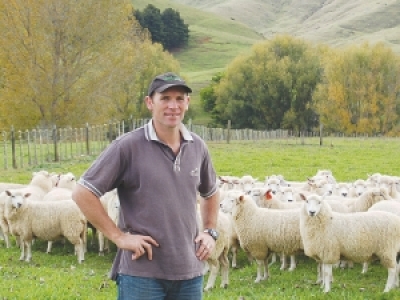 Chairman James Parsons.
Beef+Lamb NZ say it is looking at changes to its market development investment strategy – if it stays in market development at all.
Chairman James Parsons says the industry good body proposes more focus on establishing new markets rather than maintaining existing ones.
He says Germany is an example a non-traditional market where lamb has been successfully promoted – with good returns there now offsetting declines in other markets.
Parsons said in a recent B+LNZ lamb market analysis report that the declining demand for lamb could not be ignored.
"As a multi-billion dollar sector we collectively invest a pitiful amount into telling our story," he said.
Parsons explained to Rural News B+LNZ been running a review process on market development investment.
"It has thrown up some options and good insights on what we would do differently if B+LNZ are to stay in market development," he says.
"We want to drill down on those a bit more and then come out to farmers with some options. We are talking to meat companies about where they operate and where we could operate.
"We run meetings through winter and we will test the options with farmers at those."
Parsons says these options are only if B+LNZ continue in the market development space – the other option is to exit completely.
"We can carry on doing promotion, but there are other things we can do with that farmer levy investment as well and that could be behind the farmgate. So it is really important that farmers have ownership of where they go," he says.
But if B+LNZ continue in market development, it proposes to move more focus on establishing new markets – rather than just trying to maintain the existing ones.
"There's a need to tell our story particularly in developing markets - building a greater demand for our products. This is not just lamb, it would be beef as well," he says. "There's increasing market access opportunities with new trade agreements."
Parsons says an example of where promotions have helped develop consumption is Germany.
"That has helped keep returns up," he says. "We have done a significant number of indoor tasting sessions for New Zealand lamb in retail stores throughout Germany in partnership with importers.
"Volumes of lamb going into Germany have been quite strong. That has help offset the softer returns and demand for lamb in the UK and other parts of the globe.
Parson says they will also discuss with farmers whether B+LNZ has a role in issues management for instance where food safety or an animal welfare problem could affect the reputation of the red meat sector.
New Zealand consumers are paying more for beef mince than ever before, with the average retail price now sitting above $24 per kilogram, according to Rabobank.

After delivering a strong financial year, rural trader PGG Wrightson says the coming months will depend on customer confidence and weather.
Prime Minister Christopher Luxon says the red meat sector is doing an excellent job promoting our pasture-fed system around the globe.
OPINION: After two long years of hardship, things are looking up for New Zealand red meat farmers.
Matt McRae, a farmer from Mokoreta in Southland who runs a sheep, beef and dairy support business alongside a sheep stud, has been elected to the Beef +Lamb NZ Board as a farmer director.

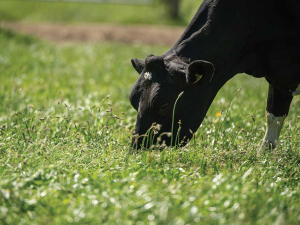
Farms across the upper North Island are trialling different pasture mixes as part of a research programme that aims to build greater resilience into farming systems.
Election years are always a concerning time for farmers, according to DairyNZ chair Tracy Brown.
The Ballance Farm Environment Awards are coming to the West Coast of the South Island.
Most dairy regions around the country have had a pretty good season so far says Tracy Brown.
Rural leader Mark Hooper has been appointed as an independent director to the NZPork board, bringing extensive farming, governance and advocacy experience to the role.


OPINION: The same mainstream media muppets that brought you Jacindamania in 2017 have been flat out pimping for the Opportunities…
OPINION: Your old mate reckons the atrocious way farmers in the UK are treated by their lords and masters in…