Deer Industry NZ Eyes Market Recovery
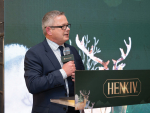
It's our time to shine, says Deer Industry NZ chief executive Rhys Griffiths.




 increase font size
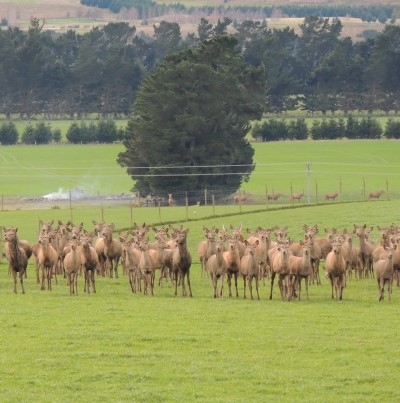
With dry conditions and a disappointing venison schedule, it has been a tough start to the year for many non-velvet deer farmers.
Deer Industry New Zealand (DINZ) chair and Mid Canterbury farm advisor Andy Macfarlane is urging deer farmers to remain proactive in managing both the feed situation and their budgets.
"I've been revising a number of feed budgets over the last couple of weeks, and many deer farmers will be doing the same," he says.
While high velvet prices have velvet producers smiling, the venison schedules are not so positive, with prices within the $6.20 – $6.45/kg range once again.
"Our take on the market is that there are no major supply or demand issues – indeed it is fundamentally more sound than it was a year ago, when a supply backlog had to be cleared," says Macfarlane.
"About 70% of New Zealand venison is sold in Euros so the latest unforeseen round of European economic jitters and associated currency weakness has flowed through into venison schedules."
The NZ dollar is buying around 67 Euro cents, up from about 60 cents this time last year. The impact of this on the schedule over the past year is about 55 cents per kilo, but this will vary depending each company's European market exposure.
"The exchange rate movement over December also accounts for the difference between the current schedule and what several exporters had predicted in November last year."
Macfarlane notes that while underlying demand in Europe was firm, with a satisfactory chilled sales season just completed, the impact of the Euro weakness demonstrated the industry's urgent need to diversify markets.
"While we have good and loyal customers in Europe, it is critical for the industry to diversify its market risk."
Macfarlane notes however, that the deer industry is looking beyond the European market and DINZ are supporting that diversification through their Passion2Profit strategy.
DINZ hope this work will begin to bear fruit over the year ahead and, together with some hoped-for relief from both rain and currency, will mean a happier 2015 for deer farmers.
It's our time to shine, says Deer Industry NZ chief executive Rhys Griffiths.
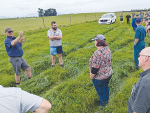
Management practices that aim to cull the poor performers rather than boost the best are a key to success for Canterbury deer farmer Stu Stokes.
Southland elk farmer Tom May is no stranger to producing top quality velvet and believes that his Mayfield Elk Farm, just south of Winton, may have just set a world record.
Improved market conditions for venison are expected for the 2021 season, according to industry body Deer Industry NZ (DINZ).
Innes Moffat says he is optimistic for exports of venison in 2021.

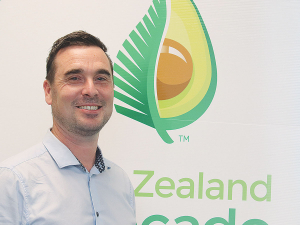
The avocado sector is entering the new season with a larger crop and positive market opportunities.
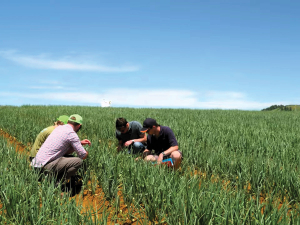
New Zealand growers have always adapted to changing conditions, but one challenge is steadily gaining ground across the horticulture sector: resistance.
Blueberries have the potential to become a major horticultural export, earning up to $150 million within the next three to five years.
Twenty five secondary school students from around New Zealand recently completed a three day residential programme designed to explore career opportunities across the food and fibre production supply chain.
Conversions of sheep and beef farms to forestry have slowed, however new research from Beef + Lamb New Zealand (B+LNZ) suggests land of value for food production remains at risk.
OPINION: A simpler, clearer, more effective Recognised Seasonal Employer (RSE) scheme.


OPINION: The same mainstream media muppets that brought you Jacindamania in 2017 have been flat out pimping for the Opportunities…
OPINION: Your old mate reckons the atrocious way farmers in the UK are treated by their lords and masters in…