Super cow
OPINION: Brazil has hundreds of millions of cows (234.4 million head at the last census) but one is extraordinary.




 increase font size
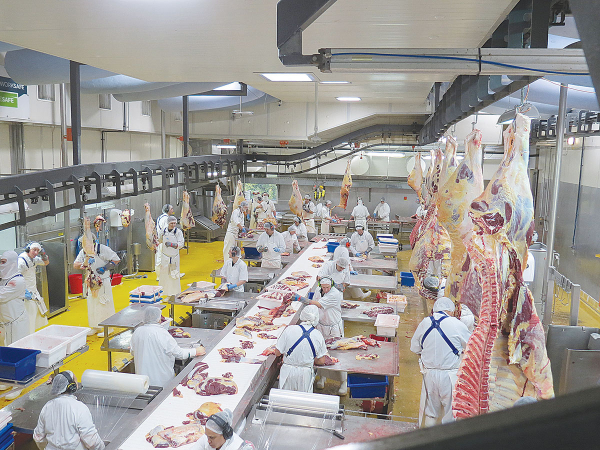 Brazil has the world’s largest commercial cattle herd and is the world’s second largest beef exporter.
A case of atypical bovine spongiform encephalopathy (BSE) in Brazil has resulted in temporary export suspensions from that country - as well as renewed international calls for increased transparency.
The case in question was reported in a nine-year-old bull in the state of Para on February 22. Atypical BSE differs from classical BSE in that it is a rare, spontaneous genetic mutation and almost exclusively found in older cattle. Classic BSE is caused by feeds contaminated by meat and bones from animals infected with classic or atypical BSE.
On February 23, Brazil voluntarily shut down beef exports to China, with several other countries also suspending Brazilian imports during this period.
That seemed a speedy response, until a look at the World Organization for Animal Health (WOAH) event submission form revealed that the start of the event was listed as January the 18th - 35 days before the case was reported. MPI says a potential New Zealand case of a WOAH exotic-listed disease means we would be obliged to report it within 24 hours.
This is not the first time Brazil has been late in reporting BSE cases. Previous reported instances in 2021, 2019, 2014 and 2012 have also shown late reporting of atypical BSE confirmations, with one instance in 2012 taking over two years to report.
Despite engaging with the Brazilian beef industry through several industry groups, Beef+Lamb NZ's senior manager of international trade Frances Duignan says the organisation had been unaware of this information.
"Rapid reporting is an expectation we have of all WOAH members, because it is key to minimising spread," she told Rural News.
Nonetheles, Duignan expressed "confidence" in the WOAH's ability to resolve reporting issues with member nations.
In November 2021, after two reported BSE cases in Brazil that year, three US Senators introduced a bill aiming to suspend beef imports from Brazil until a review of Brazilian beef's impact on food safety could be conducted. The bill did not pass, but just das before last month's report from Brazil they announced an attempt to re-introduce the bill into Congress.
Brazil has the world's largest commercial cattle herd (22.2% of global cattle numbers) and is the world's second largest beef exporter (15.4%). Because atypical BSE is rare, unpredictable and predominantly found in older cattle, Brazilian beef is considered "negligible risk" by the WOAH.
Brazil's Minister for Agriculture Carlos Favaro says they aim to resume exports of beef products to China by late March, in time or President da Silva's state visit. This in comparison to 2021 when exports did not resume for three months after reporting date of a BSE infection.
Both MPI and B+LNZ were unable to comment on matters regarding Brazil-China relations.
Duignan says New Zealand accounts for approximately 5% of Chinese beef imports and that in previous occasions of suspensions, Brazilian export numbers quickly returned to normal once suspensions lifted.
OPINION: Brazil has hundreds of millions of cows (234.4 million head at the last census) but one is extraordinary.

The recent short-lived ban on Brazilian beef by its major customers is unlikely to increase demand for New Zealand products.
Beef + Lamb NZ director George Tatham says new members from Paraguay and Mato Grosso, Brazil will add a new dimension to the group, now called the International Beef Alliance.
Amid Brazil's political and economic turmoil, onerous bureaucracy and almost non-existent market for fresh milk it’s hard to see the appeal for Fonterra.
The world's cheese business was worth US$216 billion last year, and in four years should be worth US$237b, says market research company Canadean.


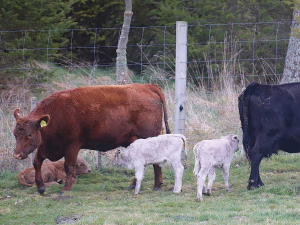
A major move is about to get underway to improve the quality and viability of dairy beef and cattle in NZ.
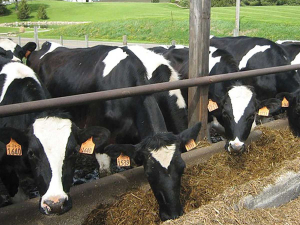
Veterinarians say changes to the code of welfare for dairy cattle provides a positive foundation for improved cattle welfare across the country.
Today, 15 October, is the International Day of Rural Women, which recognises rural women’s contribution to farming, communities and the environment.
Global dairy giant Lactalis has integrated its Australian operations with the Mainland Dairy consumer business it acquired from Fonterra earlier this year.
After almost two decades of sharemilking, saving and building equity, Aaron and Marcia Flay this year realised their long-held dream of settling on their first dairy farm.
Good medium to long term prospects for NZ beef, especially in the US, has heighted the focus on various initiatives to capitalise on this situation.


OPINION: The same mainstream media muppets that brought you Jacindamania in 2017 have been flat out pimping for the Opportunities…
OPINION: Your old mate reckons the atrocious way farmers in the UK are treated by their lords and masters in…