The repeal of Fair Pay Agreements (FPA) legislation by the new Government will be a great Christmas gift for farmers and rural service businesses, claims Federated Farmers.
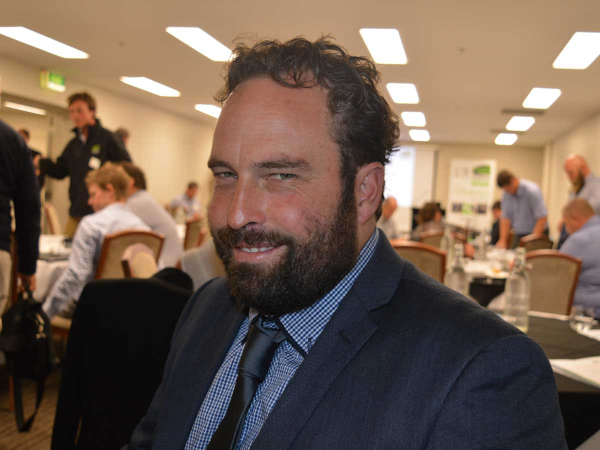
Feds employment relations spokesman Richard McIntyre told Rural News that farmers have been opposed to FPAs, which made it easier for workers to band together to negotiate wages and working conditions.
"It was 'a solution looking for a problem' that could have seen employers and employees locked into a national set of pay and conditions agreed to by a minority and therefore removing the ability for businesses and staff to agree on terms that suit their own needs and local conditions," he says.
Last week, new Workplace Relations and Safety Minister Brooke van Velden announced that the Government will repeal FPA legislation by Christmas 2023.
"We are moving quickly to remove this legislation before any fair pay agreements are finalised and the negative impacts are felt by the labour market," says van Velden.
FPAs were introduced by the Labour-majority Government last year. National and Act opposed it, saying it was "compulsory unionism" that harmed productivity. Business NZ earlier warned that the FPAs could cause upheaval in the agriculture sector with chief executive Kirk Hope claiming the Government will target all sectors with FPAs.
An FPA was compulsory once either 10% of the sector workforce or 1,000 workers are signed up and Kirk pointed out that for the farming sector, say each farm has five workers, it will be relatively easy for organisers to reach 1,000 workers. Collective bargaining is currently almost unknown in the farm sector.
Van Velden says FPAs were a blunt tool that could be initiated by a union and a small number of employees, yet they applied to every employee and every employer within coverage.
She pinted out that there will be no impact on the current terms of employment for workers as no fair pay agreements have been finalised to date.
Meanwhile, the new Government is also delivering on its commitment to extend the availability of 90-day trial periods to all employers.
The scheme was first introduced under John Key's National-led Government for businesses with fewer than 20 employees before it was extended to all businesses in 2010, a move then opposed vehemently by the unions.
In 2018, Labour restricted the trials to busineses with under 20 employees, among other measures, but now the National-led coalition will return it to the original legislation.