Paris Agreement Exit Could Put NZ-EU and UK Trade Deals at Risk
Politicians calling for New Zealand to withdraw from the Paris Agreement on climate risk damaging two of our gold-plated free trade deals.




 increase font size
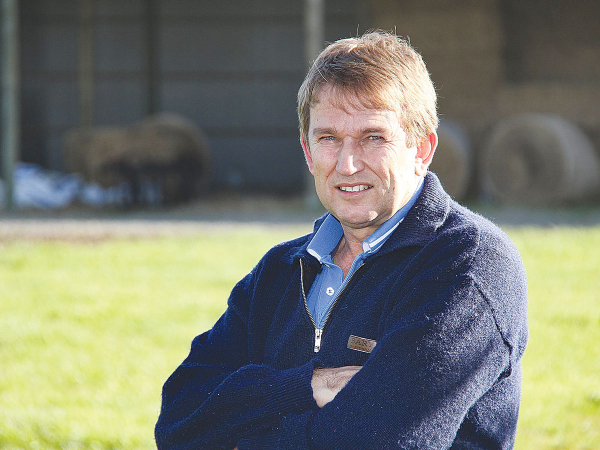 Malcolm Bailey, DCANZ, says it's a lousy deal, a significantly missed opportunity and sets an awful precedent for any future trade negotiations.
The chair of the organisation which represents all the New Zealand dairy companies has hit out at government politicians for failing to deliver a quality FTA with the EU for the dairy sector.
Malcolm Bailey, Dairy Companies Association of NZ (DCANZ), says the parameters the politicians finally set for the negotiations made it virtually impossible for our highly skilled trade negotiators to pull off a good deal for what he calls one of the big engine rooms of the NZ economy - the dairy industry.
"This is a lousy deal, a significantly missed opportunity and sets an awful precedent for any future trade negotiations," he says.
Bailey, who was in Brussels when the final touches were being put on the deal, says he had a sleepless night when he heard that the message from the Government to the negotiators was 'anything better than the status quo'.
He says DCANZ had urged them to keep on negotiating to get a better deal for dairy and says they were surprised at the approach they took.
He says the change in the language and the fact that NZ had signalled that it wanted a deal by June 30 was something of a cue to the EU negotiators, who knowing NZ's bottom line, appeared to adopt a tactic of stalling the negotiations and counting down the clock to the end of June.
"This appears to have made it extremely difficult for our negotiators to deliver something meaningful for the dairy and beef sectors.
"We don't use this phrase 'walk away' - for us it is just continue the negotiation rather than settle a deal at this time if it wasn't going to be good enough and, as we have seen, it is not good enough for dairy.
"In the end it was a decisions made by the Government and I have already said how disappointed we are," he says.
Bailey says he's not at all critical of the MFAT trade negotiators, describing them as "top shelf people".
He says while DCANZ was not at the actual negotiating table, they worked alongside the MFAT people and provided analysis and information to assist them where necessary.
Politicians calling for New Zealand to withdraw from the Paris Agreement on climate risk damaging two of our gold-plated free trade deals.
The stark realities of the world trade that New Zealand is having to face have been revealed by Trade Minister Todd McClay.
New Zealand and the European Union are closer than ever.
New Zealand exports to the European Union have surged by $3 billion in two years under the New Zealand-European Union Free Trade Agreement.
When it comes to international trade, politicians from all sides of the aisle are united, says Labour's trade spokesman Damien O'Connor.
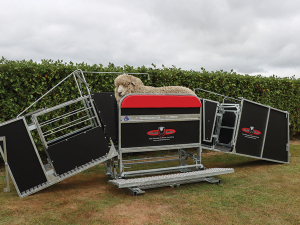
Oamaru-based livestock handling specialist Te Pari has bought Combi Clamp, the New Zealand manufacturer of Combi Clamp manual sheep handlers.
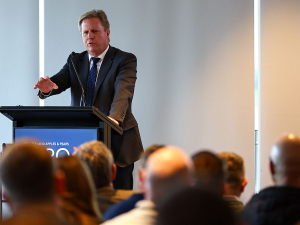
Agriculture Minister Todd McClay has admitted that a scheme bringing workers from Pacific nations to work on orchards has become too hard to navigate but says changes are coming.
A new app designed in New Zealand aims to help sheep, beef and deer farmers capture, analyse and use body condition score data more effectively.
Canterbury farmer Andy Macfarlane has been appointed to the board of AgriZeroNZ, the public-private partnership designed to accelerate the development and deployment of emissions reduction tools for New Zealand farmers.
For over 50 years Mel Ewers has been supporting the apple sector navigate through compliance and quality assurance issues.
The apple sector is enjoying a bumper harvest season.

A fair question has been raised about how member-funded organisations should conduct themselves when taking a public position on any…
OPINION: It really is getting harder to lampoon government bureaucrats when they do such a good job of it themselves.…