Declining sheep numbers are blamed for the decision to close Silver Fern Farms’ Fairton lamb processing works near Ashburton.
Silver Ferns chief executive Dean Hamilton last Wednesday laid out the numbers to a mass meeting of the 370 affected workers. He said the drop in lambs processed has been huge -- down from one million to just 325,000 in the season just finished, the lowest tally ever.
It had also been the second short season in a row, six months instead of the usual 10 or 11. The short season meant the average wage for a process worker was down to $20,000, unsustainable and making it hard to retain staff.
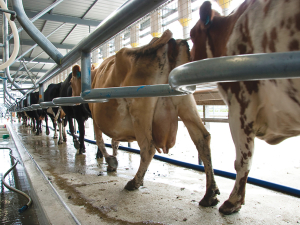
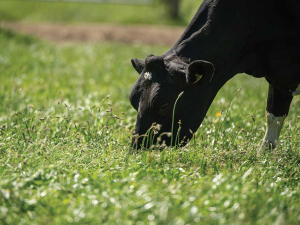
Hamilton says the South Island sheep flock had fallen from 20 million ten years ago to 14 million, notable in the North Island but especially marked in Canterbury and Marlborough because of farm conversions to dairy, dairy support and grape vines.
“We laid that out to staff,” Hamilton said. “And they sense that. They drive around and see dairy farms where there used to be sheep farms. They see pivot irrigators where there never were pivot irrigators.”
Silver Fern Farms would now process lambs at Pareora, near Timaru, which already handles sheep, beef, venison and bobby calves, the staggered demand giving a longer season with better wages and so less staff turnover, Hamilton says.
Pareora also had the freezer capacity, being where product already goes to from Fairton and Belfast on the way to export through the port of Timaru.
Hamilton says he’s an optimist about sheep and beef and believes the rate of conversion has now slowed, although he does not expect anyone with a “million-dollar dairy shed” to go back.
“If you’ve got that as your new existence, we don’t need two large lamb plants servicing the Waitaki north in the South Island; we need one lamb plant.”
Rationally, Pareora is the plant to keep, he says.
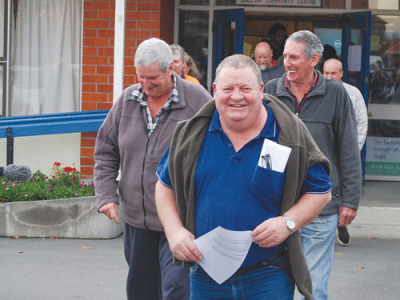
Informed of the decision at a meeting in an Ashburton church hall, many of the plant’s workers emerged grim-faced, but others were smiling, having had confirmation of something many had already guessed.
“Predictable,” was a frequent comment.
One man, who declined to give his name, said his job in the pelt house was secure “at the moment” but he feared even the pelting operation could be moved from the Fairton site in future.
However, Hamilton says the Fairton pelt house, which ‘pickles’ pelts as a first stage of turning them into leather, would continue to operate, employing 23 staff and processing all pelts from Silver Fern Farms’ South Island plants.
He says it would not be easy to set up a pelting operation of that scale, with its skilled staff and site. The plant is adjacent to a Silver Fern-owned farm, which is border-dyke irrigated with wastewater from the pelting operation.
“That farm needs that pelt house and the pelt house needs the farm; so they’re tied,” Hamilton says.
A resource centre would be set up to help affected staff, who would be offered redundancy and all the usual payments, while some may be able to take positions at Pareora, Belfast or further afield.
The decision ends an era for the main plant, some of which dates back nearly 120 years, albeit housing modern machinery.
“The issue is what we do with these massive big old buildings; we have to figure that out,” says Hamilton.”
The closure decision has been couched as a proposal, with a two-week period of consultation. Hamilton wants people to make their views known.
“We think we’ve taken the right decision. It’s not something you wake up quickly and do. We’ve thought about this for a while, but we only took it to the board for a decision four weeks ago.
“If you work in any lamb plant in the South Island you’ve seen those numbers come down. It’s been dramatic here because of the rate of land conversion. They’ve seen shortened seasons, they’ve seen it go from multiple chains to a single chain,” Hamilton says.