Why Now Is the Time to Plan Farm Succession, Findex Says
OPINION: Succession and long-term planning are perennial topics because it is perpetually sidelined on busy farms.




 increase font size
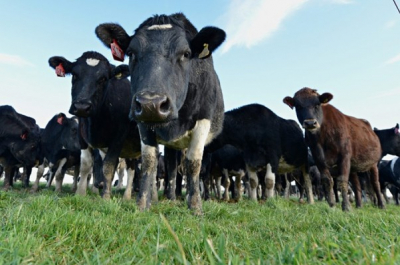
DairyNZ and Beef + Lamb NZ have publicly backed MPI’s decision to cull 4000 cattle from five of the seven infected farms.
DairyNZ chief executive Dr Tim Mackle says since M. bovis was first identified in July farmers have been on high alert and worried about the impact of this disease.
“DairyNZ is supportive of MPI’s decision to step up control measures by culling these animals. However, we also know that the decision will create heartache for the affected farmers, and our sympathies are with all those involved on-farm.”
Mackle says the decision follows extensive work and testing by MPI, with significant support from DairyNZ and many other agencies.
Since the disease was first identified in July over 30,000 tests have been carried out by MPI.
MPI is increasingly confident that infection has not spread outside the primary farming enterprise involved with this outbreak, or any of the other farms also under restricted place notices.
Chairman of B+LNZ James Parsons says the decision to cull cattle will obviously have significant implications for the farm businesses and the rural communities affected by this disease outbreak.
“We wish to see all available support and compensation provided to those affected. We believe these measures are necessary to protect New Zealand cattle farms against this disease.
“New Zealand takes its biosecurity very seriously and is one of the few countries in the world where this disease isn’t endemic, so that's why the industry is willing to support such significant measures to keep it that way.”
MPI's director of response, Geoff Gwyn says MPI has carried out tens of thousands of tests of the infected, neighbouring and trace properties as well as district-wide testing in Waimate and Waitaki, and nationwide testing of bulk milk.
"The only positive results for the disease have been on 7 infected properties, leading us to be cautiously optimistic that we are dealing with a localised area of infection around Oamaru," Gwyn says.
"To prevent further spread of the disease, around 4,000 cattle on 5 of the 7 infected properties will need to be culled and a programme put in place to decontaminate the properties and then re-populate the farms. The 2 other properties have had a small number of animals culled already and no cattle remain.
"This whole operation is about managing the disease while keeping our future options open. We want to minimise the risk of further spread of the disease. Moving ahead with depopulation of the affected farms will allow them to get back to normal business as soon as it is safe to do so."
OPINION: Succession and long-term planning are perennial topics because it is perpetually sidelined on busy farms.
Farms across the upper North Island are trialling different pasture mixes as part of a research programme that aims to build greater resilience into farming systems.
Election years are always a concerning time for farmers, according to DairyNZ chair Tracy Brown.
Matt Collier, Probiotic Revolution, says calves will drink a lot of milk once-a-day with their probiotic Calf Xtreme.


Federated Farmers has welcomed new rural policies released by ACT, saying they align closely with its own election priorities.
Rural Contractors NZ says proposed changes to land transport rules for agricultural vehicles are a welcome response by the Government to out of date regulations which have seen members hit with huge fines.
Alliance is calling for final applications for its 2027 Graduate Programme, with applications closing on Sunday 25 October.
Decades piloting planes has ensured vet and farmer David Hayes is focused on safety. So, after a serious accident while welding on farm, he is sharing his experience so others can learn from it.
Canterbury milk processor, Synlait Milk has confirmed Leon Fung as its chief executive officer.
OPINION: Making it easier to collect rainwater and use it to grow crops and livestock is a no brainer.

OPINION: The same mainstream media muppets that brought you Jacindamania in 2017 have been flat out pimping for the Opportunities…
OPINION: Your old mate reckons the atrocious way farmers in the UK are treated by their lords and masters in…