Farmers are supporting a bill from National’s Nathan Guy to introduce harsher penalties and offences for those who deliberately contaminate food.
However, any action from it will have to be funded and resourced adequately to have any real impact, says Federated Farmers.
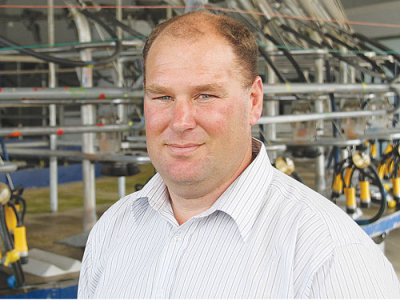
The bill comes in the wake of last year’s Australian strawberry needle scare which triggered copycat offences here and back over the ditch, says Feds Food Safety spokesperson Andrew Hoggard.
Thousands of strawberries had to be destroyed as needles started showing up in the fruit across stores. The needle scares crushed spirits and trust.
However, this is not New Zealand’s first rodeo when it comes to deliberate food contamination, says Hoggard.
In 2016, Jeremy Hamish Kerr was sentenced to eight and a half years for threatening to spike baby formula with 1080.
At the time of sentencing, the New Zealand Herald reported the crime cost the country more than $37 million.
Hoggard says deliberate food contamination, or threats of it, hurt the country’s ability to exist.
"Our country is built on and relies on primary industries to keep the current living standards we all enjoy. We need to be able to trade products safely. Our trading partners need to be able to rely on us. Any threats and attacks on our nation’s ability to function must be treated as what they are - acts of treason, piracy, espionage and corruption.
"You do not deliberately contaminate food without wanting to cause terror. These are deliberate acts designed to cause incredible anxiety and economic sabotage."
Whatever comes of Guy’s bill, he says one thing is certain: if tougher penalties are to be introduced they must be backed with resourcing.
"There’s no point in waving a flag about an issue and then not resourcing organisations such as the police, the judiciary or the Ministry for Primary Industries to follow through with enforcement.
"Politicians at all levels are great at talking about harsher penalties and regulations, but are very relaxed about the details on how those processes will work and how they’ll be funded."