El Niño Warning: NZ Farmers Urged to Plan Fert Early
Plan ahead and be patient. That’s the message to farmers and horticulturalists from the chairman of the NZ Agricultural Aviation Association, Kent Weir.




 increase font size
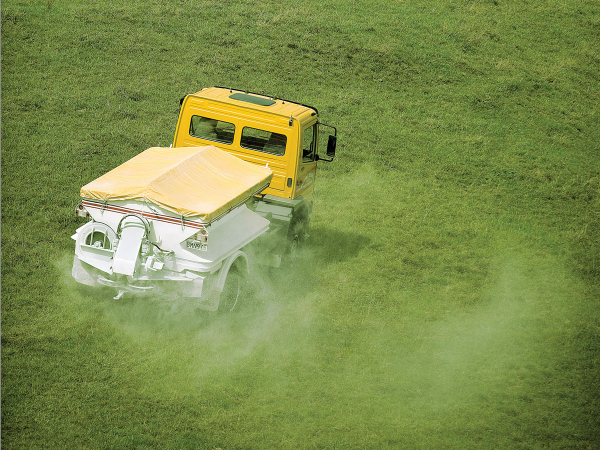 A company has been sentenced after a cloud of lime dust across a motorway caused a multi-vehicle crash which killed a driver.
A Bay of Plenty company has been sentenced after a dense cloud of lime dust across a motorway caused a multi-vehicle crash which killed a driver.
Wealleans Bay of Plenty Limited was spreading the lime at a dairy farm next to the Tauranga Eastern Link Road on 5 February 2020, when the cloud drifted across the motorway on the wind – reducing visibility to almost nothing.
Susan Walmsley’s vehicle was engulfed and collided with a car in front, and was then struck from behind. The 64-year-old never regained consciousness and died days later in hospital.
“Mrs Walmsley was a treasured wife and mother, as well as a beloved teacher, and our thoughts are with all those who continue to mourn her loss. This was a preventable tragedy, and more should have been done to account for the risk to road users,” says Worksafe’s area investigation manager, Paul West.
In June this year, Judge Paul Mabey QC found Wealleans guilty of health and safety failings, and the company was sentenced yesterday at Tauranga District Court.
In his decision, Judge Mabey noted the fertiliser truck driver “had no control over what the wind was doing to the product, but that is the point”.
The judgement went on to say the driver “was spreading in circumstances where the wind caused third party risk, was unaware of what was occurring before she stopped and when, finally, a decision to stop was made it was too late”.
A WorkSafe investigation found Wealleans failed to undertake an appropriate risk assessment and did not implement a safe system of work for spreading fertiliser on the farm, exposing others to serious injury and death.
“It’s only by luck that there were no further fatalities on the motorway that day. Although the circumstances are uniquely sad, this incident could have happened anywhere in the country so the agriculture sector more widely should take notice,” says West.
He says industry guidance is clear that there is a risk of wind drift.
“Agricultural lime is a dusty product that can cause a reduction in visibility, depending on how it is handled or local weather conditions. This risk should be assessed before use, including the impact on operators, farmers, nearby moving vehicles, and the public.”
Plan ahead and be patient. That’s the message to farmers and horticulturalists from the chairman of the NZ Agricultural Aviation Association, Kent Weir.

Amazone's ZG-TX combi spreader has been updated with several new features, centred around improved accuracy and easier operation.
When it comes to annual rebates, it's been a long time between drinks for Ravensdown shareholders.
A Palmerston North shearer has been sentenced to six months' community detention and 12 months' supervision after being found to have physically abused three lambs while shearing them.
Ravensdown has reported a net profit before tax and rebate of $50.1 million for the year ended 31 May 2026.


The Government is introducing a new nationwide rural recycling scheme that will significantly increase the recovery of farm plastics from March next year, Minister for the Environment Nicola Grigg announced today.
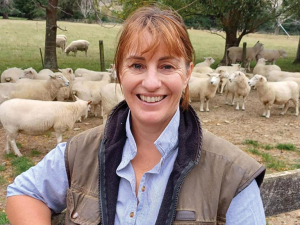
B+LNZ's Wormwise veterinarian Mary Bowron has won the Best Sheep and Beef Vet of the Year Award in recognition of her outstanding contribution to New Zealand’s sheep and beef sector.
Researchers at Massey University are using a special piece of scientific equipment to improve the measurement of greenhouse gas emissions from pasture soils.
More signs of a booming kiwifruit sector.
OPINION: David Seymour and James Meager's plan to make it easier for farmers and orchardists to operate drones can best be described a 'courageous' move.
New Zealand wool is reaching new heights as air filtration companies move away from synthetic products to biodegradable alternatives.



OPINION: The same mainstream media muppets that brought you Jacindamania in 2017 have been flat out pimping for the Opportunities…
OPINION: Your old mate reckons the atrocious way farmers in the UK are treated by their lords and masters in…