Rabobank Launches HortPathways for Emerging Hort Leaders
Twenty-eight emerging leaders from across the horticulture sector spent two days last month learning valuable skills and connecting with industry experts.




 increase font size
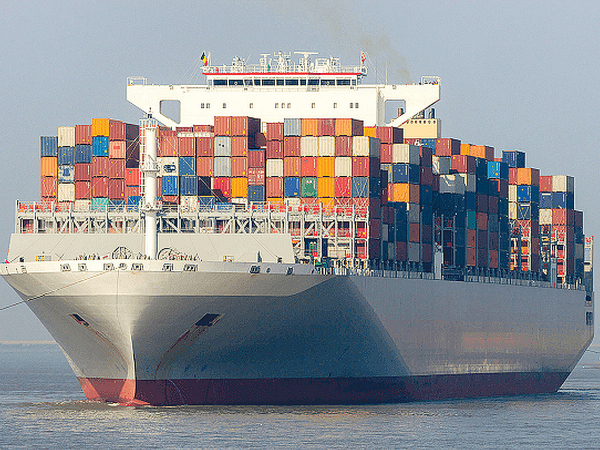 Rabobank estimates that around 15% of all products coming off NZ farms are now being shipped to China.
Rabobank says NZ’s food and agri sector’s heavy exposure to China has been magnified by the coronavirus outbreak.
In its March Agribusiness Monthly Report, the specialist rural banker says that in 2019, 31% of the sector’s exports by value were destined for China.
Rabobank estimates that around 15% of all products coming off NZ farms are now being shipped to China. It points out that NZ beef, sheepmeat and cheese products are especially exposed to the Chinese foodservice industry.
“Secondary markets exist for NZ products outside of China, but usually they pay less for products typically shipped to China,” the report says.
It says, in the last week of February, anecdotal evidence suggested that logistics were improving in China. However, the bank warns that any reacceleration of infection rates in China would set any recovery back significantly.
In late February, coronavirus made its first appearance in a wide range of countries and gained a significant foothold in South Korea, Iran, and Italy.
“Clearly, its impacts will be worse if coronavirus gains a foothold in NZ’s other important export markets and globally important economies, like Japan and the US,” Rabobank adds.
It says the impact of coronavirus will also depend on how China fares.
“If the virus is contained in China, the NZ food and agri industry will be better placed to weather the storm of its spread to other markets.”
Meanwhile, bank suggests the sector is likely to gain some offset to the virus’s spread via exchange rates.
“The worse the virus gets, the lower the New Zealand dollar will fall,” the report concludes.
“Other market developments may help reduce the impact of the virus on some commodities. But the industry cannot hope to avoid lower pricing and a slowdown in sales if a pandemic ensues.”
Twenty-eight emerging leaders from across the horticulture sector spent two days last month learning valuable skills and connecting with industry experts.

A 'tsunami' of milk from key exporting countries is winding down and this may be good news for New Zealand dairy farmers.
Chinese beef trade quotas and a looming suspension of Brazilian beef imports into the European Union are expected to reshape global beef trade flows over the remainder of 2026, with implications for New Zealand exporters, according to Rabobank's Q3 Global Beef Quarterly report.
New Zealand consumers are paying more for beef mince than ever before, with the average retail price now sitting above $24 per kilogram, according to Rabobank.
West Otago dairy farmer Luke Kane has been awarded the 2026 Rabobank Dr John Morris Business Development Prize.


Farmer-owned fertiliser company, Ballance Agri Nutrients is welcoming National’s plan to negotiate security agreements with key supplier countries to protect New Zealand-bound products from export restrictions and greater supply chain certainty.

Carrfields has announced the appointment of Stu Hall to the newly created role of chief operating officer, Carrfields Ltd, reflecting the continued growth of their agribusinesses and the need to ensure the company has the leadership capacity and support in place as it pursues the emerging opportunities ahead.
New Zealand's role is not to compete with Indian growers, according to NZ Apples and Pears.
The potato industry is celebrating the success of two rising stars - James Blair, the 2026 Young Grower of the Year and runner-up and innovation award winner, Amber Davy.
Twenty-eight emerging leaders from across the horticulture sector spent two days last month learning valuable skills and connecting with industry experts.
There are five entrants in this year’s Young Horticulturist of the Year, competing in a series of technical, practical, business and leadership challenges.




OPINION: The same mainstream media muppets that brought you Jacindamania in 2017 have been flat out pimping for the Opportunities…
OPINION: Your old mate reckons the atrocious way farmers in the UK are treated by their lords and masters in…




