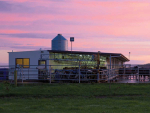
Fonterra's New Roadmap Targets Climate, Nature, Animals
Climate, nature and animal wellbeing make up Fonterra's refreshed sustainability roadmap released last week.




 increase font size
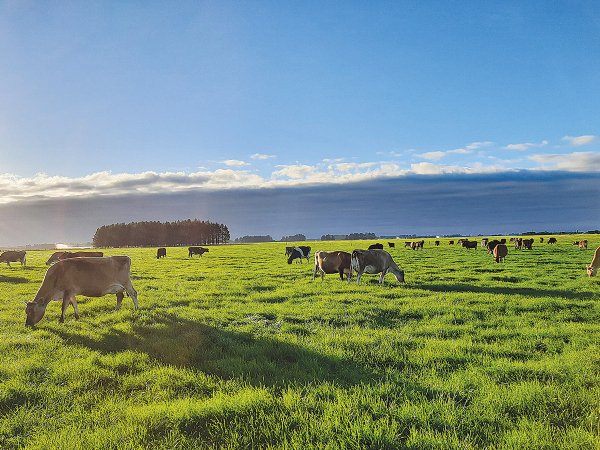 The annual funding round for the Greenhouse Gas Inventory Research (GHGIR) fund is now open.
The Ministry for Primary Industries (MPI) says it is seeking research proposals to help improve New Zealand’s reporting of greenhouse gas emissions from agriculture, forestry, and other land uses.
The annual funding round for the Greenhouse Gas Inventory Research (GHGIR) fund is now open, with $2.9 million of funding available for new GHGIR projects in the 2024/25 financial year.
MPI director of programmes and planning, policy and trade, Stephanie Preston says the fund focuses on improving knowledge of New Zealand’s greenhouse gas emissions, to ensure the best possible data is available to help manage New Zealand’s emissions and inform policy decisions.
“This year we’re looking for very specific proposals in 10 priority areas, ranging from improving liveweight estimation of sheep and beef to exploring remote sensing methods of collecting data, such as using satellite data to measure feed type and quality,” Preston says.
The priorities for this year’s funding round include non-forest land-use emissions model; a review and improvements to energy equations and intake; new afforestation and deforestation intentions survey; seasonal dairy supplementary feed data intake; and improved activity data and parameters for deer.
Preston says the outcomes will inform MPI’s reporting to the New Zealand Greenhouse Gas Inventory and the United Nations under the Paris Climate Agreement.
The annual Greenhouse Gas Inventory reports on human-induced emissions and removals of greenhouse gases for energy, industrial processes, agriculture, land use, land use change and forestry, and waste.
The inventory is produced by government agencies, with MPI responsible for producing the chapter on agricultural emissions. The report is submitted to the United Nations Framework Convention on Climate Change secretariat each year.
Climate, nature and animal wellbeing make up Fonterra's refreshed sustainability roadmap released last week.
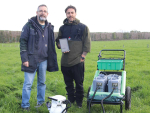
Researchers at Massey University are using a special piece of scientific equipment to improve the measurement of greenhouse gas emissions from pasture soils.
Testing confirms H5 bird flu in a single northern giant petrel, found dead on a remote Cape Palliser beach in the Wairarapa, says Dr Mary van Andel, the Ministry for Primary Industries' (MPI) Chief Veterinary Officer.
The apple sector is working with the Government to unlock access to two key markets that could bring millions in revenue for apple growers.
A Palmerston North shearer has been sentenced to six months' community detention and 12 months' supervision after being found to have physically abused three lambs while shearing them.


Federated Farmers has welcomed new rural policies released by ACT, saying they align closely with its own election priorities.

Rural Contractors NZ says proposed changes to land transport rules for agricultural vehicles are a welcome response by the Government to out of date regulations which have seen members hit with huge fines.
Alliance is calling for final applications for its 2027 Graduate Programme, with applications closing on Sunday 25 October.
Decades piloting planes has ensured vet and farmer David Hayes is focused on safety. So, after a serious accident while welding on farm, he is sharing his experience so others can learn from it.
Canterbury milk processor, Synlait Milk has confirmed Leon Fung as its chief executive officer.
OPINION: Making it easier to collect rainwater and use it to grow crops and livestock is a no brainer.


OPINION: The same mainstream media muppets that brought you Jacindamania in 2017 have been flat out pimping for the Opportunities…
OPINION: Your old mate reckons the atrocious way farmers in the UK are treated by their lords and masters in…




