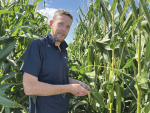
Fall Armyworm in NZ Maize: Four Years of Research
Four years since it was first detected in New Zealand, researchers and growers now know much more about management of maize pest fall armyworm (FAW).




 increase font size
The Government has pledged to invest $7.3 million over five years in agricultural research partnership, Pastoral Genomics, says Steven Joyce.
Science and Innovation minister Steven Joyce and Primary Industries minister Nathan Guy announced the initiative, which aims to improve pasture grasses and lift the performance of livestock farming.
Pastoral Genomics is an industry-led research partnership between DairyNZ, Beef+Lamb NZ, Grasslands Innovation, NZ Agriseeds, DEEResearch, AgResearch, and Dairy Australia. Its objective is to provide pastoral farmers with improved forage cultivars that will increase the productivity, profitability and environmental sustainability of New Zealand’s pastoral farming systems.
Government funding is provided through the Ministry of Business, Innovation and Employment’s research partnerships programme and will be matched by industry funding.
“New Zealand has a strong primary sector. Just over half of our total exports of goods and services by value are primary products. We need to build on this strength with constant innovation, and by taking full advantage of our strength in agricultural technologies,” says Joyce.
“The investment in this partnership is expected to boost sustainability of New Zealand’s pastoral farms and increase the value of exports by the sector, contributing to the Business Growth Agenda goal of increasing the ratio of exports to GDP for the benefit of all New Zealanders.”
Guy says the funding is a strong investment into one of New Zealand’s most important industries.
“New Zealand farmers are the best in the world, but we need to keep innovating and investing in scientific research to maintain this. This kind of work will help us achieve our goal of doubling the value of primary sector exports by 2025.”
The partnership intends to use non-regulated biotechnologies, including genomic selection that does not involve genetic modification, to help progress breeding and commercialisation of high-performing forages for grazing livestock. The forage cultivars are expected to have improved nutritional content and be more resilient to drought and disease.
Four years since it was first detected in New Zealand, researchers and growers now know much more about management of maize pest fall armyworm (FAW).
Generative AI in the workplace, trials in the field, and industry-relevant research took centre stage at this year’s Grape Days events in Central Otago, Hawke’s Bay and Marlborough.
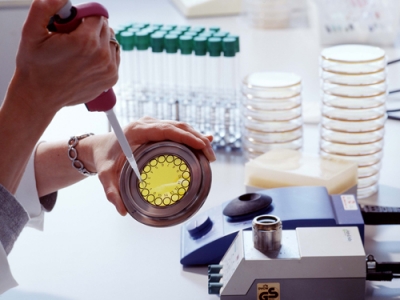
Scientists from the Ministry for Primary Industries (MPI) are part of an international team working to develop a low-cost diagnostic tool that could significantly improve food crop production in developing countries.
Scion is running experimental research burns near Christchurch from March 3-14, to test new theories on how wildfires spread under various conditions.
OPINION: The politics of science or is it the science of politics that is driving research in New Zealand?


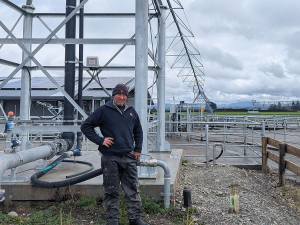
Converting a longstanding cropping farm to dairy was the only way to ensure the land stayed in the family long term, says new dairy farmer Rod May.

As the election heats up, Organics Aotearoa New Zealand (OANZ) has launched its election scorecard designed to help voters wanting to support policies that grow organic and New Zealand's organic sector.
A 'tsunami' of milk from key exporting countries is winding down and this may be good news for New Zealand dairy farmers.
Will the good times last? That's one of the key issues to come out of the latest Federated Farmers confidence survey.
Outgoing Fonterra Co-operative Council chair John Stevenson says that it has been a privilege to represent the co-op's farmer shareholders.
Have a plan in place for your cows and staff.




OPINION: The same mainstream media muppets that brought you Jacindamania in 2017 have been flat out pimping for the Opportunities…
OPINION: Your old mate reckons the atrocious way farmers in the UK are treated by their lords and masters in…




