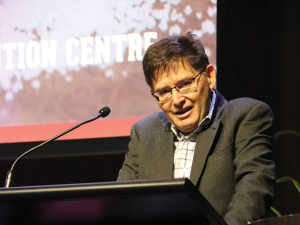
Every Council in New Zealand will receive at least $350,000 of additional funding to ensure they have the resourcing necessary to implement the Three Waters reforms, Associate Minister of Local Government Kieran McAnulty announced today.
The Government has set aside a $44 million fund to assist Councils with the costs and resourcing necessary to set up the new Three Waters system.
McAnulty says the controversial reforms are about delivering clean, safe drinking water at an affordable price for New Zealanders.
“They will deliver significant cost savings to Councils and ratepayers over time, but we acknowledge additional resources are needed in the short term to get the new system set up,” he says.
“Since becoming Associate Minister of Local Government I’ve been meeting rural and provincial councils and one thing I’ve heard consistently is that Councils are facing significant demand on their staff time and resources and this fund is being established to assist with that.
“The Three Waters reform is the largest change local government have faced in a long time, and is creating additional work for councils who are already under strain from staff shortages, winter illness, and Covid.”
McAnulty says the funding will allow local authorities to draw in expertise to support Councils through the transition period and continue business as usual.
“Each council, regardless of their size, will receive $350,000 over 12 months with top ups allocated based on the ‘Better Off’ funding method.”
He says the funding is an acknowledgement of the challenges faced by councils in the short term to achieve long term benefits for their communities.
“While we always knew there would be cost in the transition, that cost is dwarfed by the $185 billion bill ratepayers would face to maintain and upgrade infrastructure over the next 30 years.
“Without reform, a household would face water costs of up to $9,000 per year, or the prospect of services that fail to meet their needs.
This round of funding is additional to the wider Government support for the Three Waters Reform package, which includes a $500 million ‘Better Off’ funding package designed to assist councils to deliver wellbeing initiatives in their communities like parks, gardens, and swimming pools.
“Throughout my visits I’ve heard a range of opinions on Three Waters, but despite where councils stand they understand the need to reform the current system as it is no longer fit for purpose,” says McAnulty.
“Over the past two weeks I’ve met with 21 rural and provincial councils and the concern of resourcing has come through consistently, so I’m glad to support councils with funding certainty.”
McAnulty says he still has a further 34 councils to meet with and he’ll be looking to gain their insights on the best ways Government can support councils and how to target future transition funding support.