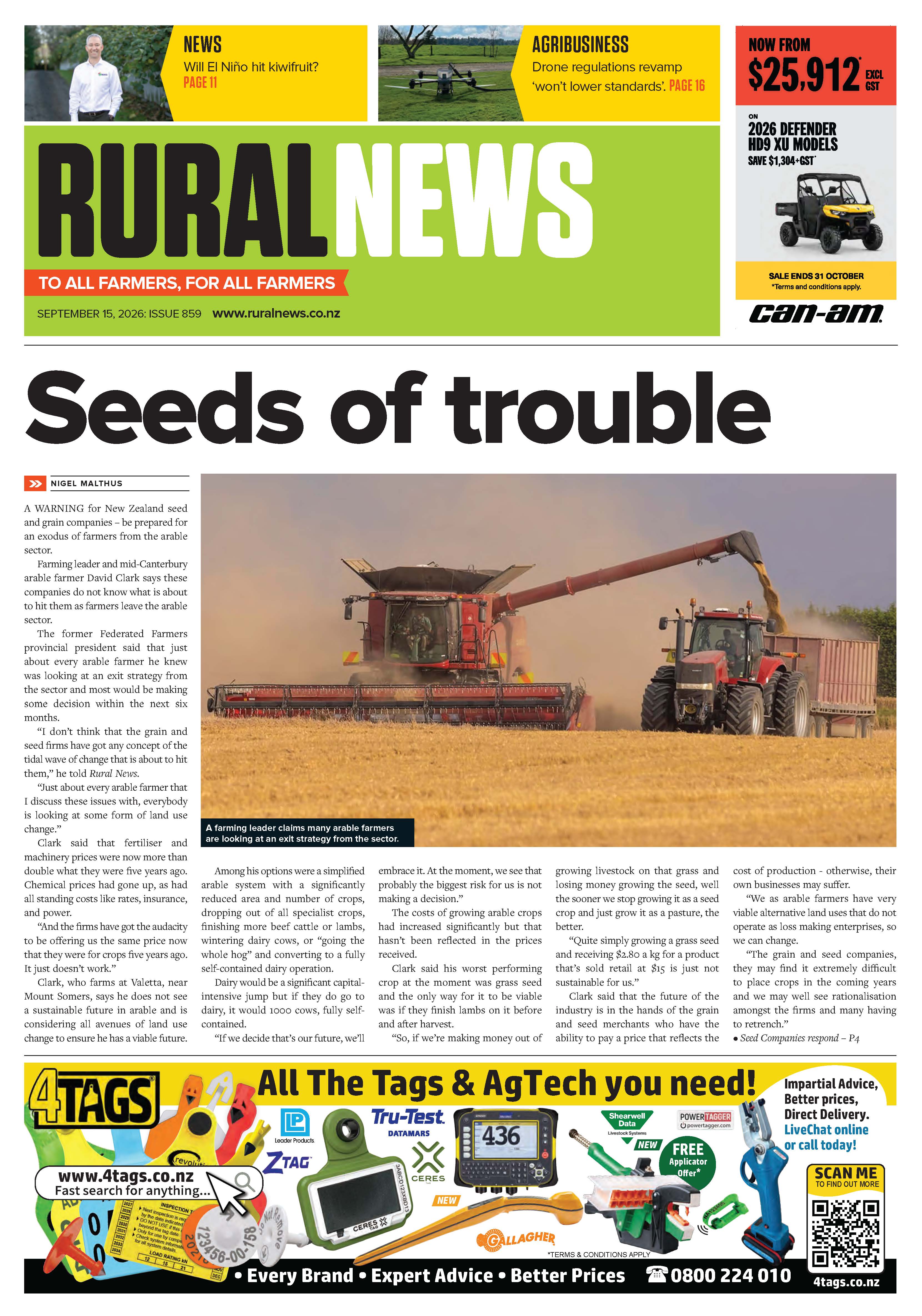
Farmers Warned Over Track Dangers After Wairarapa Floods
The terrible floods that hit the Wairarapa may have subsided, but the danger to farmers still exists, according to local Federated Farmers president Rob Hickson.




 increase font size
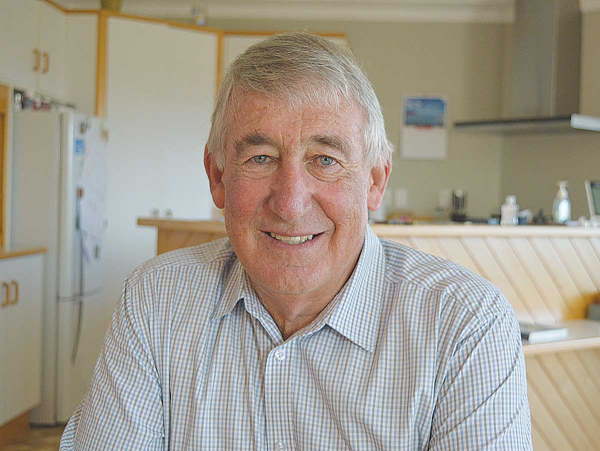 Rural Support Trusts national chair Neil Bateup says Cyclone Gabrielle is the biggest event that RSTs have had to deal with since their inception and there are lot of rural people stressed.
Rural Support Trusts around the country are having to significantly increase their staff to deal with growing stress in rural areas in the wake of Cyclone Gabrielle and other adverse weather events.
Chair of the national council of Rural Support Trusts (RST), Neil Bateup, says in the Waikato where he farms, they have had to increase support people numbers by 25%. He believes other regions are doing the same.
Bateup told Rural News the focus has been on getting advisors out to people to sit down with them and work out the best way to overcome the problems they are facing.
He says Gabrielle is the biggest event that RSTs have had to deal with since their inception in the early 2000’s and there are lot of people stressed for a variety of reasons.
“There are issues around feeding stock, containing stock, financial pressures caused by low returns and compounded by the cost of repairing farm infrastructure.
“As well, many are in a state of flux, knowing that it will take years for things to be returned to normal on their properties.”
Bateup says farmers who were planning to exit the industry, mainly because of their age, whose farms are severely damaged, are in a difficult situation.
“The timing for them is pretty horrific.”
He says another big issue is the difficulty rural people have in accessing medical care. Bateup’s heard instances of people having to wait up to six weeks to get an appointment with a GP and that there are equally long waits to get appointments with counsellors and mental health providers.
“That’s tough. It’s crazy – especially if you have a child that is unwell and having to get to a doctor,” he told Rural News. “The problems are compounded by road closures and roads that are under repair – with a journey that normally would take an hour now taking double that time.”
Bateup adds it’s a wellknown fact that people suffering from stress or mental health issues are prone to making bad decisions – both at home and in their workplace. He says RSTs have been organising events to get people off the farm to mix and talk with others in similar situations.
He says it can be very lonely on a farm struggling to overcome a multitude of problems.
“If people can get away from the farm and mix with others, that will help them cope and lift morale.”
The terrible floods that hit the Wairarapa may have subsided, but the danger to farmers still exists, according to local Federated Farmers president Rob Hickson.

New Zealand’s rural sector has once again demonstrated its generosity, with the second Rural Industry Leaders Dinner, Debate and Auction raising an impressive $400,000 for the Rural Support Trust.
The Rural Support Trust is hosting a series of community wellbeing events featuring former NZSAS soldier and Victoria Cross recipient Willie Apiata.
The chief executive of Apples and Pears New Zealand, Danielle Adsett, says fruit quality this year is phenomenal and the sector is hitting crop estimates, which is great for growers.
Waikato dairy farmer Neil Bateup, made a companion of the New Zealand Order of Merit (CNZM) in the New Year 2026 Honours list, says he’s grateful for the award.


Federated Farmers says it welcomes Labour's commitment to reviewing the Sharemilking Agreements Act, calling on other major parties to do the same.
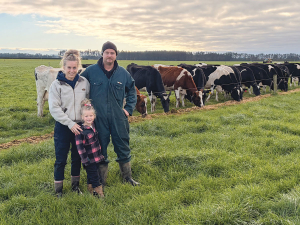
For Canterbury dairy farmers Sian Meijer and Rick Wobben, wearable technology has become one of their most valuable on-farm tools - helping manage 1850 cows across an expansive, high-performing dairy operation while improving efficiency, mating outcomes and day-to-day decision making.
Fonterra has unveiled its annual results for the 2026 financial year, posting $27 billion in revenue and close to $20 billion returned to New Zealand farmer owners and unit holders.
The first major update to the Dairy Cattle Code of Welfare in more than a decade has been released, marking what DairyNZ describes as an important step in ensuring animal welfare standards continue to evolve alongside scientific evidence and on-farm realities.
Ravensdown shareholders have elected Jane Montgomery and Kate Acland to the Ravensdown Board for three-year terms, following a closely contested director election.
Federated Farmers says new legislation replacing the Resource Management Act will cut red tape, unlock investment and help grow New Zealand's export-led economy, after the Planning Bill and Natural Environment Bill passed their third reading in Parliament yesterday.




OPINION: The same mainstream media muppets that brought you Jacindamania in 2017 have been flat out pimping for the Opportunities…
OPINION: Your old mate reckons the atrocious way farmers in the UK are treated by their lords and masters in…