Fonterra's New Roadmap Targets Climate, Nature, Animals
Climate, nature and animal wellbeing make up Fonterra's refreshed sustainability roadmap released last week.




 increase font size
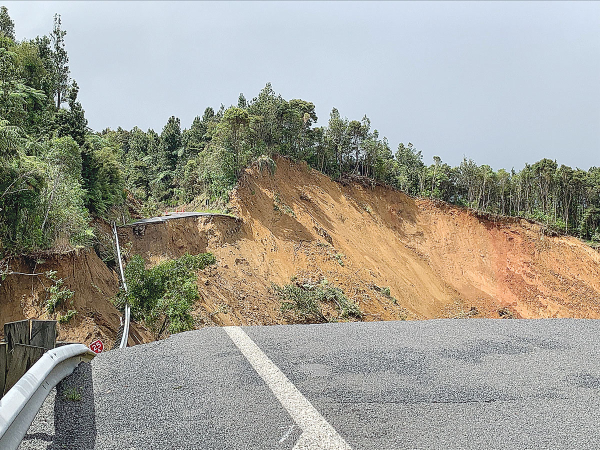 ICNZ chief executive Kris Faafoi says climate adaptation measures can reduce the risks created by storms like Cyclone Gabrielle.
The Insurance Council of New Zealand (ICNZ) is urging the Government to take a leadership role on climate adaptation and build New Zealand’s resilience against the impacts of climate change on lives and property.
The ICNZ presented its submission on the Inquiry into Climate Adaptation to the Finance and Expenditure Select Committee yesterday.
ICNZ chief executive Kris Faafoi says the urgency of the climate crisis cannot be overstated.
“New Zealand’s vulnerability to climate-related hazards, including rising sea levels, coastal erosion, and extreme weather events, requires a clear and coordinated approach which the Government is best placed to lead on,” Faafoi says.
He says the ICNZ supports the development of a national climate adaptation model to guide policy and legislative frameworks and provide long-term clarity and certainty around the country’s response to climate change.
“This strategy aims to bring together central government, councils, the private sector and communities to effectively mitigate risks and ensure sustainable adaptation measures,” Faafoi says.
“We have seen firsthand the impacts of the Auckland Anniversary Weekend and Cyclone Gabrielle events on lives, property, and the economy,” he explains. “By taking a proactive approach, adaptation measures can not only reduce these risks but also contribute to the economy’s security and community resilience.”
Faafoi says ICNZ also backs the development of ambitious adaptation goals and clear outcomes such as a defined level of resilience achieved by 2050.
“The cost of achieving these outcomes should be estimated as much as possible so the funding required for adaptation is well understood,” he adds.
“We acknowledge the investment in climate adaptation is likely to be sizeable and is likely to require funding from a variety of sources, including the private sector, and the development of financial instruments such as resilience bonds.”
Faafoi says a coordinated approach should also consider the Government’s work in related areas such as resource management, housing and fast track approval for infrastructure development to “ensure there is an alignment of objectives and incentives”.
"The time for action is now. By working together, New Zealand can build a resilient and sustainable future for all Kiwis," he concludes.
Climate, nature and animal wellbeing make up Fonterra's refreshed sustainability roadmap released last week.
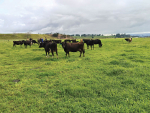
A five-year study has found that the cost of reducing emissions without technology may be significant and unsustainable for Northland dairy farmers.
OPINION: With the winter months officially here, I trust all is well at your place.
OPINION: The global crusade against fossil fuel is gaining momentum in some regions.
Specialist horticulture and viticulture weather forecasters Metris says the incoming Cyclone Vaianu is likely to impact growers across the country.



Now in its fourth year, the 2026 Fencing Industry Awards, formed part of the proceedings of the FCANZ Conference, held in Nelson during August.
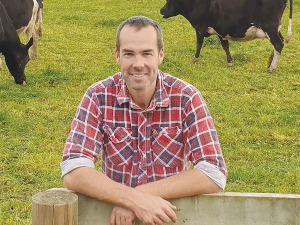
DairyNZ deputy chair Cameron Henderson has been re-appointed unopposed for another term.
OPINION: The stats speak for themselves.
Farms across the upper North Island are trialling different pasture mixes as part of a research programme that aims to build greater resilience into farming systems.
Election years are always a concerning time for farmers, according to DairyNZ chair Tracy Brown.
The Ballance Farm Environment Awards are coming to the West Coast of the South Island.


OPINION: The same mainstream media muppets that brought you Jacindamania in 2017 have been flat out pimping for the Opportunities…
OPINION: Your old mate reckons the atrocious way farmers in the UK are treated by their lords and masters in…