Queensland Fruit Fly Movement Controls Lifted in Mt Roskill
Controls on the movement of fruit and vegetables in the Auckland suburb of Mt Roskill have been lifted.




 increase font size
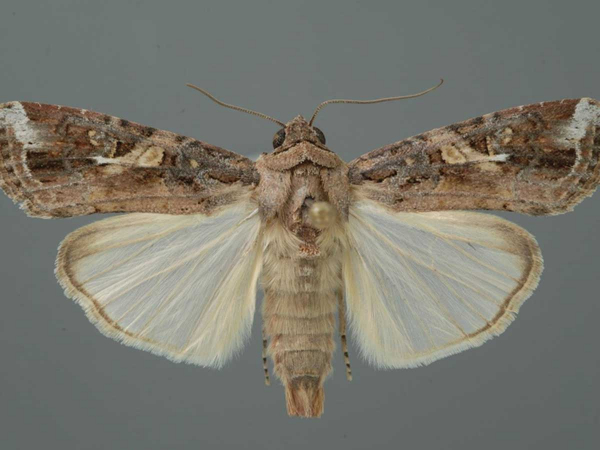 The Fall Armyworm moth
Biosecurity New Zealand says it is working with its primary sector partners after a single confirmed egg mass belonging to the moth pest fall armyworm was found in Tauranga.
The moth is found around the world and is present in the Americas, Africa and Asia, and more recently has been found in Papua New Guinea and parts of Australia.
Biosecurity New Zealand deputy director-general Stuart Anderson says the fall armyworm is a hitchhiker pest.
A risk analysis by Biosecurity New Zealand last year showed it was likely to arrive as an adult moth from Australia via strong winds within the next five years.
“Our risk analysis found it would struggle to establish here as areas with preferred hosts do not necessarily have the correct climate to suit fall armyworm. It is a tropical species that thrives in very warm climates.
“If it was required, the moth can be treated with several products, many of which are already used in New Zealand for other kinds of pests.
“This moth has been on our radar for some time, and we have worked closely with our primary sector partners on keeping it out through things like importing requirements on risk goods, as well as encouraging growers to remain vigilant for signs of the pest."
Anderson says the analysis last year shows the pest is unlikely to establish, however, Biosecurity New Zealand and its industry partners are taking a cautious approach.
“We’re committed to working with primary sector and Te Tiriti partners to decide next steps. Its important people report any findings to us and call our exotic pests and diseases line on 0800 80 99 66 or report online,” he says.
Anderson says the eggs were found on a gypsy moth trap in Tauranga and then tested, before being destroyed. There is no evidence of an established population.
"We do have other types of armyworm moth in New Zealand, but this particular species, which thrives in very warm climates, can pose a threat to arable crops and other horticultural species if it becomes a large population."
"We'll be investigating further with our sector and Te Tiriti partners and will provide updates when we have more information," he says.
Controls on the movement of fruit and vegetables in the Auckland suburb of Mt Roskill have been lifted.
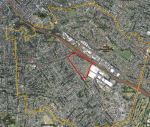
Legal controls on the movement of fruits and vegetables are now in place in Auckland’s Mt Roskill suburb, says Biosecurity New Zealand Commissioner North Mike Inglis.
The head of the Ministry for Primary Industries (MPI) biosecurity operation, Stuart Anderson, has defended the cost and the need for a Plant Healht and Environment Laboratory (PHEL) being built in Auckland.
Maize and sweetcorn pest fall armyworm has defied initial assessments regarding its ability to survive over winter in some parts of New Zealand.
The quick response to the discovery of another fruit fly in Auckland is being praised by fruit and vegetable growers.



The primary sector is leading New Zealand's economic recovery, according to economist and researcher Cameron Bagrie.
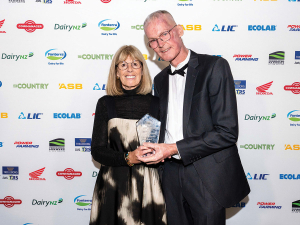
Dairy industry leader Jim van der Poel didn't make much of the invitation he received to the recent New Zealand Dairy Industry Awards in Rotorua.
Farmers around the country are going public big time, demanding their local district, city and regional councils come up with amalgamation plans that meet the needs of rural communities and don't allow urban councils to dominate.
The battle for the rural vote is on and parties are securing high profile names to try and bolster their chances at the general election.
Horticulture New Zealand says proposed changes to the Plant Variety Rights Act 2022 will drive innovation, investment and long-term productivity.
More than 1200 exhibitors will showcase their products and services at next month’s National Fieldays, with sites nearly sold out.





OPINION: It's been an eye-opener watching the big media companies behaving exactly like the powers-that-be who the crusading hacks from…
OPINION: Town and country find themselves on the same page when it comes to anger over price hikes from NZ…