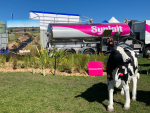
What Would Synlait Be Worth to Fonterra or a2 Milk?
Speculation of a possible joint move by Fonterra and a2 Milk to buy Synlait raises a much bigger strategic question, says agribusiness expert Dr Nic Lees.




 increase font size
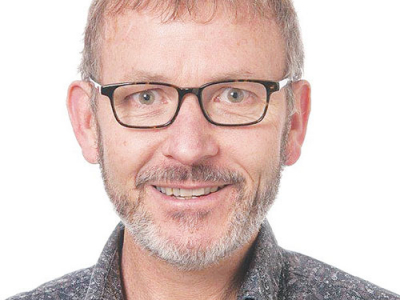 Dr Nic Lees.
The kiwifruit claim decision in favour of growers has wide implications for biosecurity, says Dr Nic Lees, a senior lecturer in agribusiness at Lincoln University.
The decision is that MPI (Ministry for Primary Industries) had a “duty to exercise reasonable skill and care when undertaking their responsibilities in relation to biosecurity”, but that it had failed to exercise this skill and care, allowing the Psa disease into New Zealand in 2010, Lees told Rural News.
“This means MPI can be liable for its decisions on the importation of any product that may have biosecurity risks,” he says.
“In the past, MPI has done risk assessments on importing products but the risk of a biosecurity failure has rested with the industry, not MPI. This [decision] fundamentally changes that. Now MPI [and by proxy the Government] is legally liable for a biosecurity failure.”
The Government Industry Agreements (GIA) to some extent recognise this in that there is now joint risk in biosecurity breaches, Lees says.
“It is likely that MPI will be more cautions in their risk assessment on imported goods and more vigilant about incursions.
“Significant incursions [have occurred] recently: myrtle rust and Mycoplasma bovis, which indicate the need for more risk assessment of importation of plant and animal products and better surveillance. This decision and the GIAs are likely to help that.”
MPI said in a statement when the High Court decision was released that the 500-page document traverses events dating back 12 years, pre-dating the setting up of MPI and required a thorough examination.
“Once we have completed consideration of the judgment, a decision will be made on whether to appeal. That decision must be made by the Solicitor-General, not MPI.”
Speculation of a possible joint move by Fonterra and a2 Milk to buy Synlait raises a much bigger strategic question, says agribusiness expert Dr Nic Lees.

Testing confirms H5 bird flu in a single northern giant petrel, found dead on a remote Cape Palliser beach in the Wairarapa, says Dr Mary van Andel, the Ministry for Primary Industries' (MPI) Chief Veterinary Officer.
The apple sector is working with the Government to unlock access to two key markets that could bring millions in revenue for apple growers.
Lynnette Hudson's 30-year obsession with Pinot Noir was sparked working vintage in Burgundy, seeing how subtle changes in terroir were expressed in the glass. It was, she says, "an elightening moment in every way".
A four year trial has reaffirmed that mixing plantain into dairy pastures can help reduce nitrogen losses to freshwater while maintaining milk production and profitability, say researchers.


A major move is about to get underway to improve the quality and viability of dairy beef and cattle in NZ.
Veterinarians say changes to the code of welfare for dairy cattle provides a positive foundation for improved cattle welfare across the country.
Today, 15 October, is the International Day of Rural Women, which recognises rural women’s contribution to farming, communities and the environment.
Global dairy giant Lactalis has integrated its Australian operations with the Mainland Dairy consumer business it acquired from Fonterra earlier this year.
After almost two decades of sharemilking, saving and building equity, Aaron and Marcia Flay this year realised their long-held dream of settling on their first dairy farm.
Good medium to long term prospects for NZ beef, especially in the US, has heighted the focus on various initiatives to capitalise on this situation.


OPINION: The same mainstream media muppets that brought you Jacindamania in 2017 have been flat out pimping for the Opportunities…
OPINION: Your old mate reckons the atrocious way farmers in the UK are treated by their lords and masters in…




