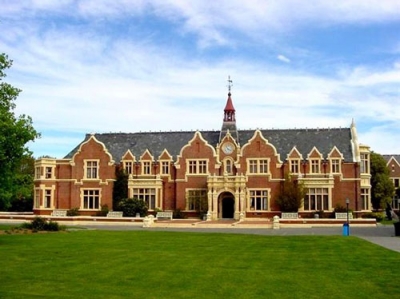
Lincoln University is copping criticism for the way it is allocating beds to would-be new students for 2016.
The farming-focussed uni, south of Christchurch, is raising the ire of the parents of youngsters wanting to study there next year. They have told Rural News they are concerned their high-achieving students are missing out on the limited accommodation because the uni is even-handed towards lesser-achieving students.
The university admits it faces challenges in the logistics of meeting huge demand for accommodation.
"Apparently the halls at Lincoln had many more applications than there were places available for 2016 and Lincoln subsequently used random selection to choose who got offered places," said one affected parent, who asked not to be named for fear of reprisal.
"Academic achievement and other attributes were not considered. This seems unusual compared to other universities – especially given the effort in trying to get top students and potential leaders into the rural sector."
Meanwhile, Lincoln has been slow to reply to questions put to it by Rural News about these claims, and it fudged many direct queries put to it six weeks ago.
Rural News asked the following:
The criteria upon which students are chosen for accommodation?
Is it on a first-in, first-served basis?
Are factors like student grades taken into account?
Universities want to attract the best and brightest; so does Lincoln factor in academic achievement when making its accommodation decisions?
How many accommodation places are available at Lincoln in 2016 and how many potential students are on the wait list?
But the university replied, via a spokesperson, to these queries with just a generic written statement:
"Lincoln University is currently experiencing high demand for on-campus accommodation and some applicants have been placed on a 'wait-list'. We have already been able to go back to some of those students with an offer of accommodation as it has become available.
"Other accommodation options are also available and the university's accommodation team are working with students to assist them. The university is in contact with all wait-listed students.
"The university is working to minimise concerns for students and their parents."
In early December, Lincoln came back to Rural News with a media release announcing new accommodation planned for next year, saying it was "moving to meet high levels of demand for student accommodation, creating 65 new beds by commissioning new relocatable buildings and refurbishing existing ones".
Lincoln adds that it "intends" creating the extra capacity by semester one next year.
"The university is working hard to make sure any student who wants to stay on campus can be accommodated," deputy vice-chancellor Sheelagh Matear, says in the release. "It is part of the 'Lincoln experience' to be on campus with other students, and more students than ever are saying they want to be here."
Matear says she is confident the proposed plan – along with other efforts already underway to house students – "will mean the university can now make offers of accommodation to more students."