McRae Wins Southern South Island B+LNZ Director Vote
Matt McRae, a farmer from Mokoreta in Southland who runs a sheep, beef and dairy support business alongside a sheep stud, has been elected to the Beef +Lamb NZ Board as a farmer director.




 increase font size
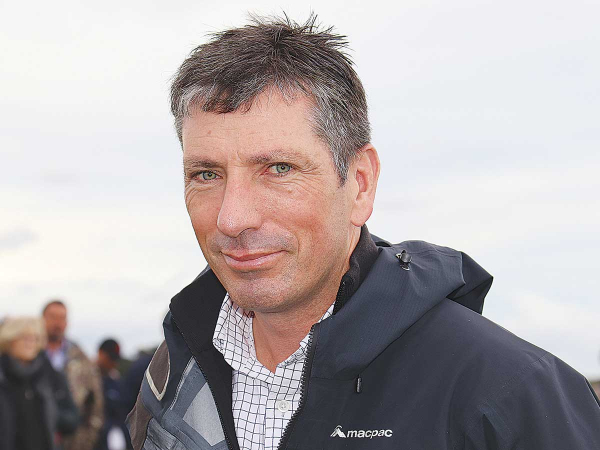 Beef+Lamb NZ chief executive Sam McIvor says the COVID-19 pandemic has forced the red meat industry good organisation to think differently about how it does business with farmers.
Beef+Lamb NZ chief executive Sam McIvor says the COVID-19 pandemic will likely mean that his organisation will end up engaging with more people than it has done in the past.
He says the pandemic has forced the red meat industry good organisation to think differently about how it does business with farmers.
“Already there are some positive outcomes with farmers listening to podcasts and participating in webinars.”
McIvor says some people, especially those with young families, are too busy during the day to attend events and field days. But they are now interested in joining on-line discussion groups in the evening when the children are in bed.
He says after the Kaikoura earthquake, which put BLNZ’s office in Wellington out of business for a few days, the organisation instigated a business continuity plan that made provision for staff in NZ and overseas to work remotely from home, which was again implemented before the Level 4 lockdown.
“We were prepared for the lockdown. As the Government made decisions, we were actually ahead of them in moving our people to work remotely and – by and large – so far it has worked well.”
McIvor says a significant part of BLNZ’s business is regional and extension programmes – a lot of which normally involve face-to-face contact with farmers at large conferences through to workshops, field days and network groups.
“So not being able to do that is a major disruption to our business and naturally affects farmers as well,” he told Rural News.
“We know that farmers learn best from other farmers and there is a social aspect to that, which is really important as well. Right now, they are not only dealing with COVID, but also a lot of regulatory and climate change issues as well. So, the ability to sit down and talk to others is a really important aspect for farmers and all of sudden that face-to-face tool has been withdrawn.”
As part of its planning, McIvor says BLNZ has been creating new ways of getting information to farmers during the past two years. Last year, more than 9000 farmers listened to BLNZ’s podcasts, and videos, which McIvor says have been used to help spread important information out to farmers.
“On-line is the new way with webinars replacing field days and, in many, cases reaching out to more people,” he adds. “For example, we streamed our AGM live the other week and about 100 farmers tuned into that and engaged in discussion, which I suspect they may not have done at a face-to-face meeting.”
McIvor believes that the experience gained by the use of technology during COVID-19 will make businesses, including BLNZ, think about how their operations may run in the long term – what is required and at what cost.
And while he is happy working from home, McIvor says – like many – he misses the camaraderie of the office.
“I do enjoy going to work for the people and the social interaction. There is something in being in the physical presence of people. I know that quite a few of my staff, some who may live by themselves, the social aspects of the office play an important part of their lives. That is something that we are grappling with at the moment.”
Matt McRae, a farmer from Mokoreta in Southland who runs a sheep, beef and dairy support business alongside a sheep stud, has been elected to the Beef +Lamb NZ Board as a farmer director.

Ospri is reducing TB testing frequencies and movement control measures as the disease risk subsidies in parts of the country.
OPINION: The previous government spent too much during the Covid-19 pandemic, despite warnings from officials, according to a briefing released by the Treasury.
OPINION: Labour leader Chris 'Chippy' Hipkins is carrying on the world-class gaslighting of the nation that he and his cohorts started after their disastrous Covid response; now trying to undermine the Covid inquiry to protect his own backside.
OPINION: Did former PM Jacinda Ardern get fawning reviews for her book?


LIC shareholders have elected a new North Island representative to the co-operative's Board, along with five representatives to its Shareholder Reference Group (SRG), following the company's Annual Meeting held in Invercargill.
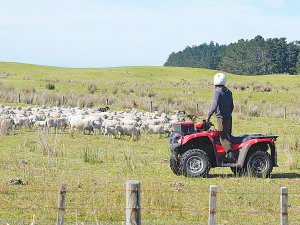
Farmers across parts of Southland and South Otago are continuing to deal with difficult conditions after a prolonged run of wet weather, with pressure building around feed supply, stock management, pasture damage, farm infrastructure and everyday workloads.
Federated Farmers says it welcomes Labour's commitment to reviewing the Sharemilking Agreements Act, calling on other major parties to do the same.
For Canterbury dairy farmers Sian Meijer and Rick Wobben, wearable technology has become one of their most valuable on-farm tools - helping manage 1850 cows across an expansive, high-performing dairy operation while improving efficiency, mating outcomes and day-to-day decision making.
Fonterra has unveiled its annual results for the 2026 financial year, posting $27 billion in revenue and close to $20 billion returned to New Zealand farmer owners and unit holders.
The first major update to the Dairy Cattle Code of Welfare in more than a decade has been released, marking what DairyNZ describes as an important step in ensuring animal welfare standards continue to evolve alongside scientific evidence and on-farm realities.





OPINION: The same mainstream media muppets that brought you Jacindamania in 2017 have been flat out pimping for the Opportunities…
OPINION: Your old mate reckons the atrocious way farmers in the UK are treated by their lords and masters in…




