Farmlands Shareholders Challenge AgriZeroNZ Investment
Farmers opposing rural trader Farmlands’ investment in AgriZeroNZ are warning the co-operative board not to brush away their concerns.




 increase font size
 Ballance chair Duncan Coull
Lower sales affected fertiliser co-operative Ballance's revenue and gross profit for the last financial year.
The co-op's revenue slipped from $1.2 billion last year to $929m for year ended May 31, 2024. Profit before tax also slumped, from $46.5m last year to $17.2m. The drop in sales reflected lower commodity prices and decreased sales volumes to 1.16m tonnes from continuing operations, Ballance says.
However, Ballance finished the financial year with a closing inventory of 281 kiloton (281 million kg), 37% lower than the previous year.
The lower working capital and sale of SealesWinslow to Farmlands enabled $69m reduction in debt. The co-op also spent $69m in capital expenditure on co-op assets.
The Ballance board decided not to pay any rebate for the second consecutive year.
Ballance chair Duncan Coull says that facing another year of headwinds for the co-operative and its shareholders, Ballance prioritised debt reduction and passing on price and cost savings to customers through the year.
"We moved a number of times to provide affordable nutrients to our shareholders, absorbing commodity price effects internally in order to do so," explains Coull.
In his first year as Ballance chief executive, Kelvin Wickham says key priorities were improving operational efficiency while maintaining a strong focus on health and safety.
"We continued to invest in our assets with $69 million of capital expenditure this year towards plant maintenance and upgrades to improve efficiency. Alongside continued investment in health and safety, this meant there wasn't a lot left over," says Wickham.
"We also had a focus on working capital and reduced inventory by 165kt, down 37% from the prior year."
Farmers opposing rural trader Farmlands’ investment in AgriZeroNZ are warning the co-operative board not to brush away their concerns.

OPINION: Across the country, farmers are juggling stock, pasture, animal health, fertiliser, contractors, staff, weather, cash flow and an endless list of jobs that cannot wait.
Farmlands has reported higher operating earnings and a profit before income tax of $4.5 million, up 118.9%, for the year ended 30 June 2026.
Farmer-owned fertiliser company, Ballance Agri Nutrients is welcoming National’s plan to negotiate security agreements with key supplier countries to protect New Zealand-bound products from export restrictions and greater supply chain certainty.
Ballance Agri-Nutrients has released its latest fertiliser outlook, detailing some of the current global trends influencing fertiliser supply. Ballance head of procurement Shane Crean takes part in a Q&A in the report:

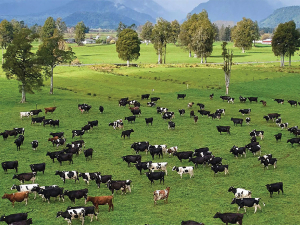
With some farmers opposing a government-industry partnership set up to develop methane reducing products, one NZ company claims that it already has a product on the market.

During the nesting season, from September to December, industrious starlings can quickly build nests in the darker areas behind tractor and vehicle, usually close to hot engines, typically resulting in localised damage or in some cases complete write-offs.
The meat processing industry is much more collegial than it was in the past and is now more focused on common goals.
With the last couple of months having seen some potential tractor purchases put on hold with the impending election and continued input cost rises, year-to-date figures, ending September, has seen deliveries up around 5% over the same period in 2025, with a total of 2026 units.
Beef+Lamb New Zealand is calling for nominations for director roles in the Northern South Island and Northern North Island electoral districts.
Fonterra chief executive, Richard Allen says being resilient has helped the dairy industry overcome extreme volatility in recent years.





OPINION: The same mainstream media muppets that brought you Jacindamania in 2017 have been flat out pimping for the Opportunities…
OPINION: Your old mate reckons the atrocious way farmers in the UK are treated by their lords and masters in…