Editorial: No Small Challenge
OPINION: There could hardly be a more appropriate theme for a conference than the one chosen by the red meat sector - Navigating Volatility.




 increase font size
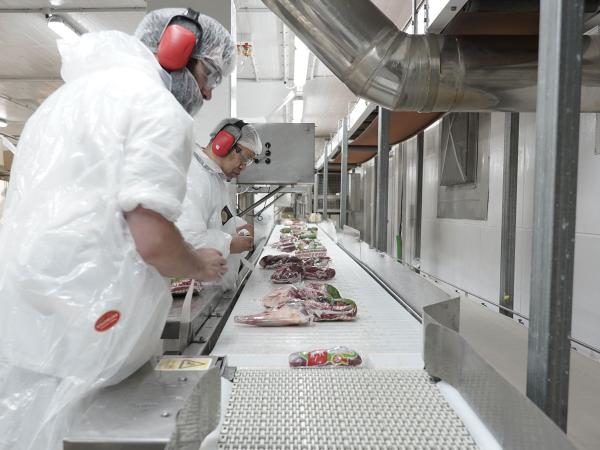 NZ red meat exports fell by 18% in February to $885 million.
New Zealand's red meat exports have taken a big hit as global economic conditions continue to bite.
The Meat Industry Association (MIA) says NZ red meat exports fell by 18% in February to $885 million. All of the country’s top ten export markets were affected – including the normally lucrative UK sheepmeat market.
MIA chief executive Sirma Karapeeva says sheepmeat exports to both the UK and the EU were well below pre-pandemic historic levels for this time of year. She says volumes to the UK were down 43% to 2410 tonnes compared to last year, with value decreasing 61% to $23 million.
“This was the lowest volume of exports to the UK in February for more than 35 years and the lowest value since 1989.” Karapeeva says.
“The UK market for lamb is continuing to struggle in the face of the country’s difficult economic conditions, with food inflation hitting 17% in February and new supermarket entrants strongly focused on beating traditional retailers on price, while not compromising on quality.”
Karapeeva says data from the UK shows that retail spending on lamb fell by 7.4% by value and 16% by volume in February, compared to a year earlier, highlighting the difficult economic conditions.
Meanwhile, sheepmeat exports to China appear static with no jump in demand following the lifting of Covid-19 restrictions in December. Karapeeva says it appears that Chinese consumers are being cautious and a significant spending recovery remains on hold.
On the positive side, MIA reports that sheepmeat exports to the USA are up by 8% to 2608 tonnes, and value up 9% to $46 million.
Beef exports are a bit of a mixed bag with volume up by 2% overall, but value dropping by 18%. This was in the wake of record values during 2022, with February 2023 values comparable to those in the first half of 2021.
Beef export volumes to China and the US were up 8% and 7% respectively. However, the value dropped by 15% to China, to $147 million, and by 19% to the US, to $115m.
Karapeeva says this sobering news underscores the need for sensible and practical regulatory settings in areas such as immigration, freshwater, biodiversity and carbon farming.
“As they currently stand, these regulations put significant strain on the sector and add unnecessary costs at a challenging time.”
OPINION: There could hardly be a more appropriate theme for a conference than the one chosen by the red meat sector - Navigating Volatility.
New Zealand's red meat and fifth-quarter exports reached $867 million in August, up 23% on the same month last year, as stronger returns lifted earnings across all major markets.
Meat Industry Association data, released alongside the Red Meat Sector conference in Wellington, shows export value climbing across the US, China, UK and Canada.
New Zealand consumers are paying more for beef mince than ever before, with the average retail price now sitting above $24 per kilogram, according to Rabobank.


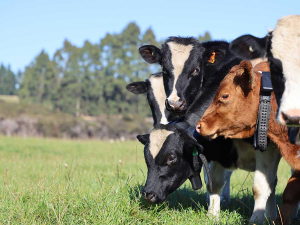
High country stations, mixed sheep and beef farms, Māori-owned farms, corporates and family operations are among the nine commercial farms taking part in the Livestock Innovation Farming Transformation programme, known as LIFT.
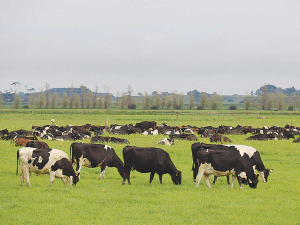
OPINION: New health and safety guidance unveiled by the Government recently provides farmers greater certainty about what is expected of them when managing risks on farm.
The National Animal Welfare Advisory Committee (NAWAC) is seeking public feedback on proposed changes to the Code of Welfare for Rodeos.
A New Zealand initiative supporting farmers to restore the health of grazing landscapes has received international backing through the Regenerative Fund for Nature, a global collaborative fund supporting regenerative agriculture and the communities that produce natural fibres for the fashion industry.
Combine premium New Zealand products, blend in a family ritual and what do you get? A world-class functional drink.
Entries are now open across eleven regions for the 2027 New Zealand Dairy Industry Awards (NZDIA).




OPINION: The same mainstream media muppets that brought you Jacindamania in 2017 have been flat out pimping for the Opportunities…
OPINION: Your old mate reckons the atrocious way farmers in the UK are treated by their lords and masters in…