NZKGI Responds to Migrant Worker Exploitation Reports
Where any worker in the kiwifruit industry is mistreated, we expect the authorities to take action.




 increase font size
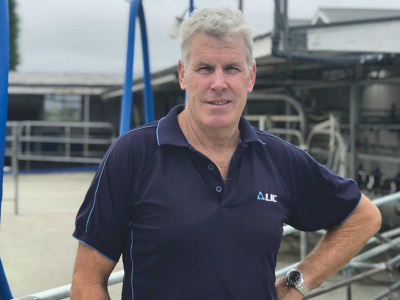 Waimea Irrigators Ltd chairman Murray King.
Horticulture is set to grow in Nelson as the clock ticks down on a long-awaited dam in Lee Valley.
The Waimea Community Dam, due to be commissioned in February 2022, will release stored water from the headwaters of Lee River to the Waimea Plains. It’s set to be a boon for pipfruit, which already generates high returns from a scarce supply of flat land in the region.
Waimea Irrigators Ltd (WIL) chairman, Murray King, is one of just two dairy farmers in the planned irrigation zone.
Together the farmers run less than 800 cows and King said livestock’s shrinking footprint on the plains was a natural migration of land use.
“Pastoral won’t foot it; you just won’t be able to sustain it,” he told Hort News. “There used to be significantly more livestock in the area and all that’s happened is that as land has become more valuable, people have moved into higher and better uses.”
King said the scheme was looking at ways to possibly expand irrigation outside the existing “zone of benefit” but there was not a huge amount of vacant land available.
Water shares were currently valued at about $6300 each – up $1300 on the original value of $5500. That’s an increase of about 15% on original values and water users will also have to pay annual charges of just over $600/ha per year.
The Superannuation Fund recently bought 111 shares from one of Nelson’s largest pipfruit businesses, Easton Apples.
“The important thing to remember here is that (Super Fund) bought an orchard with access to reliable water, that’s what it comes down to,” King said.
Easton Apples was part of a group of 14 agricultural businesses, Century Water Ltd, which 18 months ago committed $11.5m to keep WIL afloat, just when it seemed the proposed dam would be sunk by cost increases and a lack of support from Tasman District Council.
King predicted Super Fund investment would attract more interest in horticulture in the region, even if there was little land left for development.
“They do a significant amount of due diligence and they’re very thorough in their decisions – and at the end of the day they’re protecting other people’s money so they won’t be making rash investments.”
Only half of the amount of water stored in the scheme will go to irrigation. The balance would go toward urban supply and environmental projects “for the benefit of the river and ecosystem.”
The scheme was designed to maintain minimum flows in the river, in much the same way that Opuha Dam did in South Canterbury. About 30% of the stored water was for the benefit of the environment and for recreation, King said.
The scheme’s two major partners, Waimea Irrigators Ltd and Tasman District Council, will oversee the running of the dam company, Waimea Water.
Where any worker in the kiwifruit industry is mistreated, we expect the authorities to take action.

Kiwifruit growers are watchful but remain optimistic as concerns around the potential effects of the El Niño weather pattern this season.
There's been widespread support from the primary sector for the Government's announcement on changes to freshwater farm plans that come under the Natural Environment Bill, which is now set to replace the existing RMA.
James Blair, an agronomist for AS Wilcox and the Pukekohe regional champion, has won the 2026 Young Grower national title.
Claimed to be the first autonomous robot for New Zealand vegetables growers, the first Kilter AX-1 unit has arrived in the country.


OPINION: There could hardly be a more appropriate theme for a conference than the one chosen by the red meat sector - Navigating Volatility.
When Northland leather worker Vernon Suckling started making horse saddles 50 years ago, quad bikes and side-by-side vehicles were unheard of.
Alliance Group has confirmed that eligible farmer-shareholders who supply and continue to back the business will receive up to $20 million later this year, following the strategic investment partnership with Dawn Meats.
With a general election under five weeks away, Rural News is asking major political parties about their policies and positions on key issues facing the primary sector. We will run their responses to each question over the next four weeks. The ACT Party and the Greens didn't respond in time.
The red meat sector is in great heart.
Entries opened on Monday, 5 October 2026 for the 2027 New Zealand Dairy Industry Awards (NZDIA), which organisers describe as the nation's biggest celebration of excellence in the dairy sector.





OPINION: The same mainstream media muppets that brought you Jacindamania in 2017 have been flat out pimping for the Opportunities…
OPINION: Your old mate reckons the atrocious way farmers in the UK are treated by their lords and masters in…




