
Ballance Farm Environment Awards Launch on West Coast
The Ballance Farm Environment Awards are coming to the West Coast of the South Island.




 increase font size
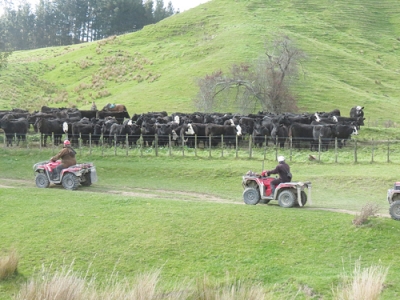 Compliance manager Simon Mapp says Southland's significant non-compliance rate is one of the lowest in the country.
Once again, it has been a year of pleasing results from industry, incidents and the dairy sector, the annual compliance monitoring report compiled by Environment Southland has found.
Compliance manager Simon Mapp says Southland's significant non-compliance rate is one of the lowest in the country.
For the third year in a row there has been a reduction in significant non-compliance on effluent discharge consents. The rate of significant non-compliance is now at 4.5%, down from 6% last year.
Southland industries continue to perform well, with NZAS, Meridian Energy and Solid Energy setting a good standard for environmental compliance. Mapp says it was also pleasing to see the improvement made by Takitimu Coal and Pioneer Energy.
Regulatory Services committee chairman Neville Cook says it's really good to see the steady improvements. "It shows that the educative programme is working. If we inform people better, then they'll try and comply with the rules and get the results everyone wants for the environment."
In the coming year the compliance division will be taking an education-first approach to the implementation of the Proposed Regional Air Plan as they support the change in home heating with the goal of improving air quality.
The Ballance Farm Environment Awards are coming to the West Coast of the South Island.

Alliance Group's $16 million programme to install innovative heat pump systems at its Otago and Southland processing plants wins a New Zealand Energy Excellence Award after cutting annual emissions by more than 24,000 tonnes of CO₂e.
There's been widespread support from the primary sector for the Government's announcement on changes to freshwater farm plans that come under the Natural Environment Bill, which is now set to replace the existing RMA.
The chair of the country's environmental regulator, the Environmental Protection Authority (EPA), says changes are already under way to improve the performance of the agency to better meet the needs of those who interface with them.
New Zealand's Emissions Trading Scheme (NZ ETS) encourages afforestation while not achieving climate goals, says a new report released by the Parliamentary Commissioner for the Environment, Simon Upton.


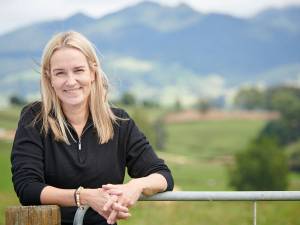
Minister of Conservation Hon Tama Potaka has appointed Susan O'Regan as Chair of the Queen Elizabeth II National Trust (QEII) for a three-year term.
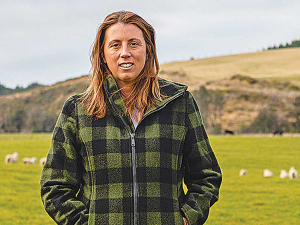
Red meat farmers are welcoming Labour’s plan to review the Emissions Trading Scheme and not to campaign on pricing agricultural emissions.
Where any worker in the kiwifruit industry is mistreated, we expect the authorities to take action.
Mid Canterbury Federated Farmers arable chair, Bevan Lill, said Beef + Lamb NZ data indicated that for the last six years, the average arable return on investment was about 0.8% while inflation ran about 4% - so the average arable farm was going backwards at about 3% a year.
Seed and grain companies share the concerns of arable farmers about the viability of their sector, says Seed and Grain New Zealand chief executive Dr Sarah Clark.
The New Zealand Institute of Forestry (NZIF) says unnecessary changes to New Zealand’s Emissions Trading Scheme (NZ ETS) will seriously erode investor confidence and result in significant reductions in forest planting rates.



OPINION: The same mainstream media muppets that brought you Jacindamania in 2017 have been flat out pimping for the Opportunities…
OPINION: Your old mate reckons the atrocious way farmers in the UK are treated by their lords and masters in…




