
Rural Vote Debate on Q&A: Substance or Just Platitudes?
It was billed as a chance for all the political parties to woo the rural vote, but question marks hang over just how effective this was.




 increase font size
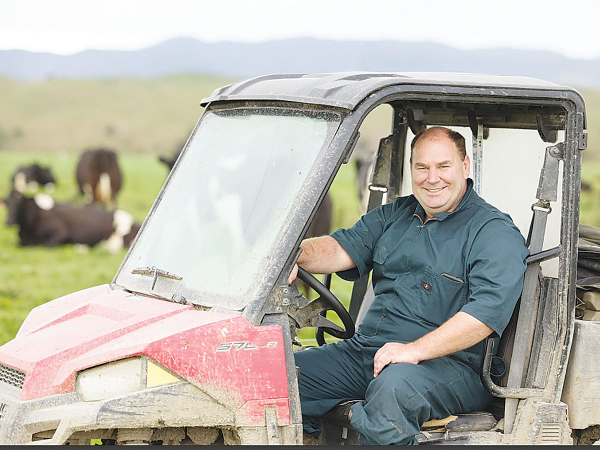 Biosecurity Minister Andrew Hoggard.
The Government has struck a deal with New Zealand's poultry industry, agreeing how they will jointly prepare for and respond to exotic poultry diseases, including any possible outbreak of high pathogenicity avian influenza (HPAI).
Biosecurity Minister Andrew Hoggard says the agreement is a significant milestone in the country's biosecurity preparedness.
"The H5N1 strain of HPAI is spreading fast around the world," Hoggard says. "This agreement means we will be ready to respond if that disease, or others, arrives on our shores."
He says New Zealand's poultry industry earns approximately $2.2 billion per year domestically and brings in close to $200 million in export revenue.
"It's essential we're ready to respond to exotic diseases that could devastate the industry, and impact domestic food supply and international trade," he says.
“This agreement formally recognises industry bodies as decision-makers, alongside the Government, guaranteeing PIANZ and EPF a seat at the table if any of these diseases are detected in New Zealand.”
The agreement covers Newcastle disease, infectious bursal disease virus and all strains of high pathogenicity avian influenza (HPAI), including the HPAI strain H5N1 clade 2.3.4.4b.
“Importantly, the agreement also sets out cost-sharing arrangements between taxpayers and the industry. This recognises the benefits to both parties of being well prepared, reporting early, and responding rapidly,” says Hoggard.
“By sharing the costs of preparation and response, we ensure there are strong incentives on farmers to take preventative measures while also encouraging them to report suspected disease as soon as possible.”
Under the agreement, industry will contribute 45 per cent of readiness costs for all poultry diseases and 45 per cent of response costs, with the exception of HPAI – for which industry will meet 40 per cent of the response costs.
Readiness costs can include the cost of developing plans for response operational activities, running exercises for testing plans, and applied research to improve response operations. Response costs can include diagnostics, communications and activities to control a disease.
“We have also agreed that cost-shareable activities for an H5N1 outbreak should be limited, and that industry will lead responding to an outbreak in poultry farms as soon as possible after a detection, with support from the Ministry for Primary Industries (MPI),” says Hoggard.
“Last year’s avian influenza outbreak at a single commercial egg farm in Otago cost an estimated $25 million. That cost could easily have been far greater were it not for the rapid action on behalf of the farmer and MPI to stand up a response and restrict movements.
“That outbreak, and the success of containing it to a single farm, showed just how important partnership with industry is in any response.”
Executive Director for the Poultry Industry Association and the Egg Producers Federation, Michael Brooks, says the agreement is an important step towards a unified response to exotic poultry diseases.
“The industry’s priority now is to ensure our poultry and egg producers have the most robust biosecurity processes possible in place, to protect their flocks and businesses from H5N1 and other unwanted diseases. H5N1 is a disease spread by wild birds, so our industry, like others, is vulnerable without the right planning, regulation and MPI’s support. We’re pleased with the strong collaboration with MPI.”
The agreement comes into effect on 1 September 2025.
It was billed as a chance for all the political parties to woo the rural vote, but question marks hang over just how effective this was.
There's been widespread support from the primary sector for the Government's announcement on changes to freshwater farm plans that come under the Natural Environment Bill, which is now set to replace the existing RMA.
A pause on Waikato Regional Council's (WRC) plan change that sets new freshwater rules for farming could be announced in the coming weeks.
New Zealanders are being urged to be alert following a confirmed positive case of H5 bird flu this week.
OPINION: Farmers are being put on notice by the Green Party.


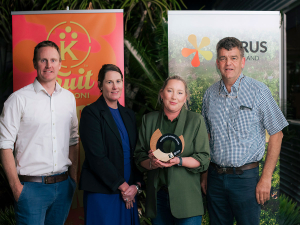
New Zealand's citrus growers were challenged to build their future on the value embedded in their fruit rather than the volume they produce, at Citrus New Zealand's annual gathering in Gisborne on 17 September.
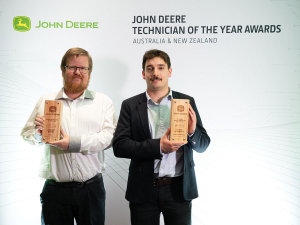
Leading John Deere technicians and apprentices from New Zealand and Australians were recognised at the recent sixth annual JD Technician of the Year Awards, held in Brisbane.
In Dacre, near Invercargill in New Zealand’s South Island, Bruce Dinnington is running a dairy operation unlike any other.
A free online platform aggregating governance vacancies across rural and regional New Zealand has been launched.
Environment Minister Nicola Grigg has announced details of a new rural plastics recycling scheme.
Agricultural drone operators say that a government decision to allow lower-risk drone work without certification won’t lower standards but drive innovation and efficiency.





OPINION: The same mainstream media muppets that brought you Jacindamania in 2017 have been flat out pimping for the Opportunities…
OPINION: Your old mate reckons the atrocious way farmers in the UK are treated by their lords and masters in…




