
AHAP Progress Report Shows NZ Horticulture Building Real Momentum
According to a progress report on the Aotearoa Horticulture Action Plan (AHAP), New Zealand's horticulture sector is making real progress on the big issues facing growers.




 increase font size
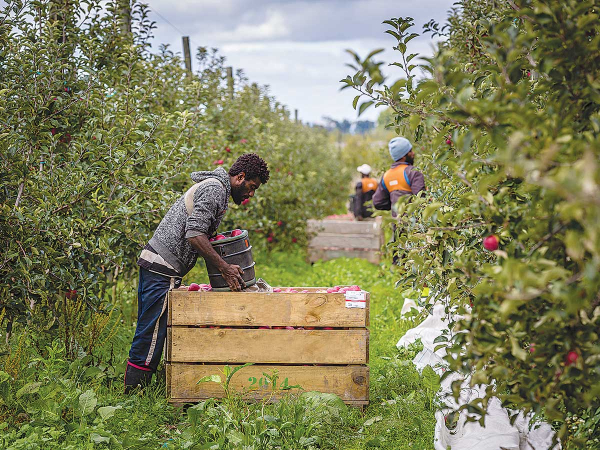 The Government has announced travel dates for quarantine travel for RSE workers from Vanuatu, Samoa and Tonga.
As part of a programme of work to reopen borders and reconnect with the world, the Government has announced the commencement dates for quarantine free travel for Recognised Seasonal Employer (RSE) workers into New Zealand.
From 4 October, RSE workers from Vanuatu can begin arriving in New Zealand and from 12 October RSE workers from Samoa and Tonga can begin arriving.
“This will provide much needed certainty for our growers as they gear up for summer and autumn harvesting,” says Agriculture Minister Damien O’Connor.
People arriving under the scheme must meet strict health conditions, including requirements to be vaccinated with at least one dose pre-departure, the completion of a period of self-isolation on arrival, and the returning of two negative Covid tests on Day 0 and Day 5. Employers are expected to provide the self-isolation facilities.
If workers have only received one dose of the vaccine, they are expected to complete their vaccination after they arrive in New Zealand.
“Despite the challenges of a Covid world, which has constrained the number of RSE workers who could come through MIQ, the Government has remained committed to the RSE scheme,” O’Connor says.
“The horticulture sector is worth over $6 billion to New Zealand exports. Having people coming to our shores through the RSE scheme to harvest and prune is essential to us maintaining our economic recovery from Covid-19, a recovery which is very much export-led.
“We are also aware of the positive impact the scheme has on our Pacific neighbours with the benefits of the hard work done by RSE workers flowing back home from our shores.”
The commencement of quarantine free travel for RSE workers forms a pilot scheme to test systems in preparation for a broader and safe reopening of the borders.
“We will closely monitor this first stage of one-way quarantine-free travel as we want to expand eligibility for quarantine-free entry to New Zealand from these countries and Tokelau when we can be sure it is safe to do so.”
O’Connor says he wants to thank Samoa, Tonga and Vanuatu for their co-operation as well as the horticulture and viticulture sectors for their collaboration.
Up to 14,400 RSE workers normally come through New Zealand each year, with approximately 10,500 being in the country at peak harvesting times pre-Covid. As at August 2021, approximately 7,000 RSE workers were in the country.
According to a progress report on the Aotearoa Horticulture Action Plan (AHAP), New Zealand's horticulture sector is making real progress on the big issues facing growers.

A miserable budget that didn’t deliver much for anyone.
National's decision to ‘dribble’ information about the NZ/India to Labour contributed to the delay in it deciding to supported the FTA.
We are encouraged that employers are already engaging with two new visas for seasonal workforce recruitment.
When Ben Enock came to New Zealand for vineyard work in 2007, his primary aim was to pay for his children's education at home in Vanuatu.


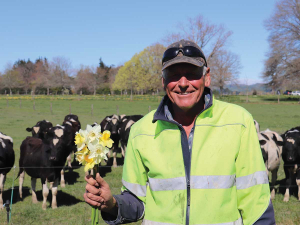
South of the central Hawke’s Bay town of Waipukurau is Taniwha Station – a highly successful 550ha bull beef farming operation.
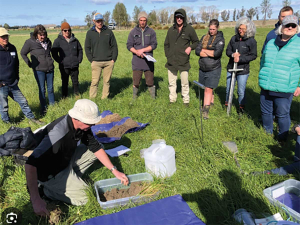
Beef + Lamb NZ funded research has shown that some simple changes to pasture management could help farmers make better use of rainfall and build resilience before dry conditions hit.
OPINION: There could hardly be a more appropriate theme for a conference than the one chosen by the red meat sector - Navigating Volatility.
When Northland leather worker Vernon Suckling started making horse saddles 50 years ago, quad bikes and side-by-side vehicles were unheard of.
Alliance Group has confirmed that eligible farmer-shareholders who supply and continue to back the business will receive up to $20 million later this year, following the strategic investment partnership with Dawn Meats.
With a general election under five weeks away, Rural News is asking major political parties about their policies and positions on key issues facing the primary sector. We will run their responses to each question over the next four weeks. The ACT Party and the Greens didn't respond in time.





OPINION: The same mainstream media muppets that brought you Jacindamania in 2017 have been flat out pimping for the Opportunities…
OPINION: Your old mate reckons the atrocious way farmers in the UK are treated by their lords and masters in…




