The Rural Health Alliance Aotearoa New Zealand (RHĀNZ) welcomes the proposal to establish a new rurally-focussed medical school for New Zealand.
The proposal from University of Waikato and the Waikato District Health Board is being considered by the Government.
RHĀNZ is a peak organisation with 43 member organisations, all interested in the health and wellbeing of rural communities.
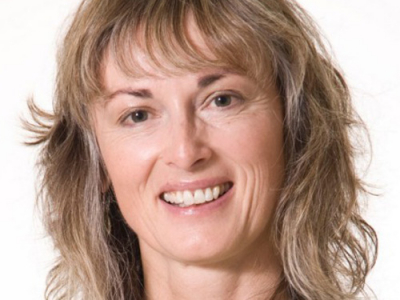
RHĀNZ chief executive, Michelle Thompson, says ensuring there are appropriate numbers of health professionals in rural communities is a top priority for all 43 RHĀNZ members.
“We know that there is already a serious shortfall of rural health and social services professionals in New Zealand and there is currently a bulge among those employed nearing retirement age,” Thompson says.
“A more stable and sufficient workforce will enable rural people to access services closer to home – a central plank of the New Zealand Health Strategy - and will help overcome barriers to seeking healthcare, both acute and preventative,” she says.
RHĀNZ council member, Dr Chris Henry, a rural GP in Kaikoura, says international evidence shows that taking students from rural backgrounds and training them in the rural communities in which they will later serve, is an effective recruitment and retention strategy for rural health professionals.
“It also provides a great opportunity for community groups to become involved in the training and support of their health professionals, which in turn helps build long-term trusting relationships between health providers and their communities,” he says.
“RHĀNZ members have long supported this ‘pipeline approach’ to health professional education and training and we congratulate the University of Waikato and the Waikato District Health Board for their bold proposal.
“Government is still considering the proposal and, if accepted, it will be vital to ensure that rural primary health care providers and rural communities are consulted in the next phase,” Henry says.
The other significant benefit of a medical school focussed on training primary care doctors and specialists to work in rural centres and hospitals, according to Thompson, is its ability to attract rural research funding and research staff.
Establishing a comprehensive data repository about rural health and rural health outcomes, which can then be used to inform community development, resource allocation and health and social service provision across Government, is another top priority for RHĀNZ members, she says