
Pāmu Welcomes Paige Burston as First Foundation Scholar
Pāmu has welcomed Taranaki student Paige Burston as its newest First Foundation Scholar, supporting her journey towards a career in agriculture and animal science.




 increase font size
 Anne Hindson
The Kellogg Rural Leadership programme at Lincoln University has had a makeover with a new structure and fresh content.
"The changes introduced this year include a shortened six-month programme and a second course starting in June," says Kellogg Rural Leadership Programme general manager Anne Hindson.
Twenty-three participants have enrolled under the new structure, which includes three residential components and an industry-based project.
"The previous model was an 11-month programme with one residential module in January and another in November, causing issues for some of the large sectors. A January course is difficult for those in arable and horticulture sectors, particularly if they are hands-on farmers," says Hindson.
Field trips are another new initiative, giving participants the opportunity to visit different producers and businesses in the larger sectors.
"This is linked to syndicate work, where strategy and leadership are explored in the context of visited organisations," Hindson says.
Programme participants are selected to ensure a varied mix in terms of sector, age, gender, and geographical location.
According to Hindson the cross-sector mix encourages greater knowledge of the New Zealand primary industries and builds networks
"As well as people from the dairy, red meat, horticulture and arable industries, there is a large group from the agri-business sector including bankers, consultants and vets working in rural communities," She says.
Hindson says the course provides the tools and knowledge necessary for leadership success in the primary sector. However, she adds, the programme relies on industry support and sponsorship.
Pāmu has welcomed Taranaki student Paige Burston as its newest First Foundation Scholar, supporting her journey towards a career in agriculture and animal science.

Kaikōura families affected by July's severe storm have found a practical solution to a problem that's kept some children away from regular schooling for weeks: a washed-out section of Inland Kaikōura Road, which has stopped the local school bus from running its usual route.
Speculation of a possible joint move by Fonterra and a2 Milk to buy Synlait raises a much bigger strategic question, says agribusiness expert Dr Nic Lees.
Lynnette Hudson's 30-year obsession with Pinot Noir was sparked working vintage in Burgundy, seeing how subtle changes in terroir were expressed in the glass. It was, she says, "an elightening moment in every way".
A four year trial has reaffirmed that mixing plantain into dairy pastures can help reduce nitrogen losses to freshwater while maintaining milk production and profitability, say researchers.


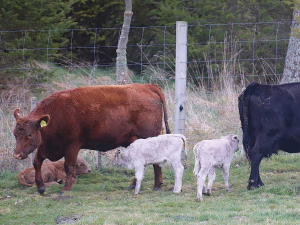
A major move is about to get underway to improve the quality and viability of dairy beef and cattle in NZ.
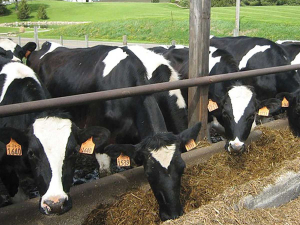
Veterinarians say changes to the code of welfare for dairy cattle provides a positive foundation for improved cattle welfare across the country.
Today, 15 October, is the International Day of Rural Women, which recognises rural women’s contribution to farming, communities and the environment.
Global dairy giant Lactalis has integrated its Australian operations with the Mainland Dairy consumer business it acquired from Fonterra earlier this year.
After almost two decades of sharemilking, saving and building equity, Aaron and Marcia Flay this year realised their long-held dream of settling on their first dairy farm.
Good medium to long term prospects for NZ beef, especially in the US, has heighted the focus on various initiatives to capitalise on this situation.



OPINION: The same mainstream media muppets that brought you Jacindamania in 2017 have been flat out pimping for the Opportunities…
OPINION: Your old mate reckons the atrocious way farmers in the UK are treated by their lords and masters in…




