
M.I.A.
OPINION: The previous government spent too much during the Covid-19 pandemic, despite warnings from officials, according to a briefing released by the Treasury.




 increase font size
 Rowena Hume.
Protecting farmers and key workers in the rural sector must now be a high priority as the effects of the COVID-19 pandemic start to hit this country.
Rowena Hume, Beef+LambNZ’s engagement and communications manager, says the primary sector is critical to NZ.
“If we look after the people in the agricultural sector, we are looking after NZ.”
Last week, BLNZ cancelled all its events as part of a plan to protect food producers and others in the red meat supply chain to ensure the flow of primary exports. As well, the red meat industry body has suspended all international travel for staff and restricted domestic travel. It has also sent out an email to all producers setting out the steps BLNZ is taking to protect farmers and those in the supply chains.
Hume says what the COVID-19 has shown is the importance of the agricultural sector for NZ.
“For next little while agricultural exports are going to be vital because we are seeing the impacts on the tourism sector and also the forestry sector,” she told Rural News. “Hopefully agricultural trade will keep happening.”
She said the reasoning behind BLNZ cancelling its events and travel is to protect farmers and ensure that they and others in the red meat supply chain don’t get sick. Hume says the meat processing companies are quite concerned at the moment that if a staff member got sick they may have to close down the plant – hence the plans and protocols to protect the people in the ag sector.
“We also want farmers to feel some pride and be aware that they and those in the processing industry are really important at this critical time. We have seen trade start to come back on line in China – so there are some positive opportunities for us going forward,” she says.
Rethink policies
Hume notes that, at present, many farmers are suffering stress from drought as well as the threat of a raft of new environmental legislation.
She says this is the time when both government and policymakers should be seriously rethinking some of these policies and asking whether these are right thing to do in the current economic environment.
Meanwhile, in an email to farmers, Beef+LambNZ says it will be looking at other ways it can stay in touch with each farmers and get the tools and information needed: such as social media; potential delivery of workshops online; podcasts; webinars; and emails.
OPINION: The previous government spent too much during the Covid-19 pandemic, despite warnings from officials, according to a briefing released by the Treasury.
OPINION: Labour leader Chris 'Chippy' Hipkins is carrying on the world-class gaslighting of the nation that he and his cohorts started after their disastrous Covid response; now trying to undermine the Covid inquiry to protect his own backside.
OPINION: Did former PM Jacinda Ardern get fawning reviews for her book?
Recent widespread autumn rain will have triggered the germination of subterranean clover seeds, and the resulting seedlings should be allowed to reach the 3–4 trifoliate leaf stage before grazing, says Beef+Lamb NZ.
A hub farm in each of Beef + Lamb NZ’s seven regions and more focus groups are being rolled out for the red meat sector this year.


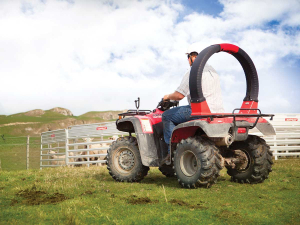
When Northland leather worker Vernon Suckling started making horse saddles 50 years ago, quad bikes and side-by-side vehicles were unheard of.
Alliance Group has confirmed that eligible farmer-shareholders who supply and continue to back the business will receive up to $20 million later this year, following the strategic investment partnership with Dawn Meats.
With a general election under five weeks away, Rural News is asking major political parties about their policies and positions on key issues facing the primary sector. We will run their responses to each question over the next four weeks. The ACT Party and the Greens didn't respond in time.
The red meat sector is in great heart.
Dr Scott Champion, Foundation for Arable Research chief executive, says that everyone in the supply chain had a role to play in driving the sector's long-term success.
Entries opened on Monday, 5 October 2026 for the 2027 New Zealand Dairy Industry Awards (NZDIA), which organisers describe as the nation's biggest celebration of excellence in the dairy sector.




OPINION: The same mainstream media muppets that brought you Jacindamania in 2017 have been flat out pimping for the Opportunities…
OPINION: Your old mate reckons the atrocious way farmers in the UK are treated by their lords and masters in…




