New Zealand exporters and importers are facing “a perfect storm” as global shipping challenges mount.
David Ross, chief executive at Kotahi, New Zealand’s largest containerised exporter, says a number of supply chain challenges have come together to create a perfect storm.
He told Rural News that this could be the “new normal” well into 2021.
For NZ exporters and importers, disruption caused by Covid has been exacerbated by Australian port industrial action and Port of Auckland capacity issues.
Ross says these continue to disrupt container availability flows and coupled with globally disrupted supply chains, few vessels are managing to run to schedule.
“This is putting pressure on service levels,” says Ross.
“This situation is being played out in most locations around the world, with shipping lines forced to make adjustments to their vessel itineraries to manage capacity, congestion and weather impacts with global shipping statistics reporting that on-time performance in the Asia-Pacific region has dropped to just 15%, from a norm of about 70-80%. That’s a big drop.”
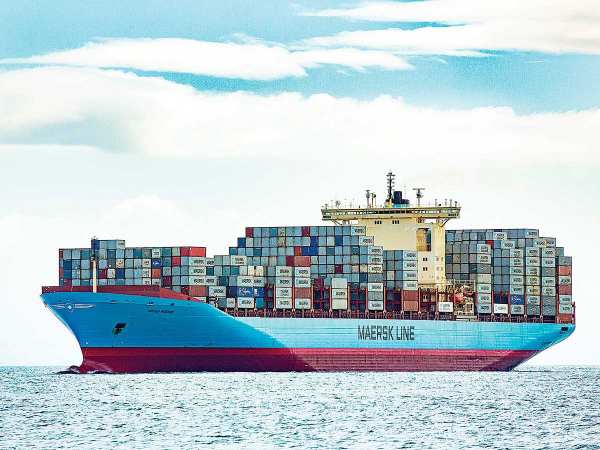
Kotahi, founded in 2011 by Fonterra and Silver Fern Farms, has long-term strategic commitments with Maersk Line and Port of Tauranga to attract larger, more efficient ships to New Zealand.
Ross points out that in these market conditions, the value of strong strategic partnerships come to the fore.
“Working collaboratively with our customers and partners, such as Maersk and Port of Tauranga, we have been managing this situation for a number of months and continue to operate at close to 99% container availability.
“There is an unavoidable small level of delay due to the scale of ship schedule slippage, however we are confident we will continue to get all our customers’ cargo to export markets,” he says.
The reliance on shipping is higher than ever as few planes are flying international routes.
ANZ agri analyst Susan Kilsby notes that demand for most goods has remained intact throughout the pandemic and it has been the service sector that has taken the brunt of the pain associated with lockdowns and physical distancing measures.
She says shipping costs are rising rapidly.
“Shipping schedules are constantly changing, with numerous schedules being cancelled or containers being rolled over and simply not being collected.
“This has left many empty containers stranded well away from where they are most needed, with refrigerated containers particularly difficult to source,” Kilsby explains.
“Shipping times are being extended due to delays at ports, resulting in product shortages and buyers bringing orders forward in order to offset the delays.”
NZ’s second largest dairy processor Open Country Dairy says it has had to manage through some shipping delays but is, overall, in a very good position, with shipments for the season being on track.
OCD chief executive Steve Koekemoer says shipping orders continues to be a challenge globally.
“It affects all sectors due to Covid. Our supply chain team are doing a fantastic job managing the demand in this highly disruptive environment and our customers have been very appreciative of the efforts put in,” says Koekemoer.