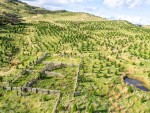
A law change that will require overseas investors prove their forestry conversions will benefit New Zealand passed its final reading in Parliament yesterday.
Previously, overseas investors who wanted to convert land, such as farmland, to forestry only needed to meet the ‘special forestry test’. This is a streamlined test, designed to encourage investment in production forestry.
Associate Finance Minister David Parker said the Overseas Investment (Forestry) Amendment Bill requires overseas investors to show their conversions will benefit New Zealand, by meeting the stricter “benefit to New Zealand test”.
“The existing rules did not give decision-makers enough discretion to determine the appropriateness of investment in a forestry conversion and whether it benefits this country,” Parker said.
He acknowledged that rural communities have concerns about the potential environmental, economic, and social impacts of farmland conversions to forestry.
He also acknowledged the economic importance of the forestry sector.
“I want to be very clear to the sector and to investors: production forestry is and will remain important, both to the regions and to support our climate change goals.”
The forestry sector employs approximately 40,000 people and is the country’s fourth largest export earner.
“This Bill is not about stopping investment in the forestry sector. It ensures that any investment is beneficial to the country. Productive and sustainable investment is and remains welcome,” Parker says.
The law change only applies to conversions and does not have an effect on overseas investments in existing forestry land, which will continue to go through the special forestry test.
Broader work is reportedly underway to investigate the impacts of forestry conversions more generally.
The Bill also includes minor and technical changes to improve the operation and effectiveness of the Overseas Investment Act’s forestry provisions.