Ospri Urges Farmers To Prepare NAIT Records Before Moving Day
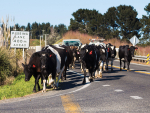
Moving Day (June 1) is just around the corner and farmers who are moving farms with the herd are being urged by Ospri to start preparations now.




 increase font size
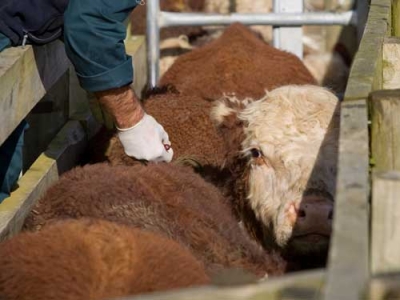 Testing cattle for TB.
The number of bovine tuberculosis (TB) infected herds has dropped below 40 for the first time in the history of New Zealand’s TBfree programme.
According to figures released by OSPRI this week, an all-time low of 36 herds were infected with bovine TB (34 cattle and two deer herds).
“Reaching this milestone is a credit to farmers and the industry and Government organisations that are shareholders and investors in the TBfree programme and is a big step towards New Zealand becoming TB-free,” says OSPRI chief executive, Michelle Edge.
However, Edge says, while this is a significant milestone, it is important to remain vigilant and focus on managing numbers of infected herds during the season where finishing stock heading to the processing works.
The TBfree programme has recently undergone an independent review, including scientific modelling, a review of operational outcomes and a full public consultation process. The Plan Governance Group comprising industry shareholders and independent chair, Chris Kelly, facilitated the process. A final proposal is due to be presented to the Minister of Primary Industries for review and approval by the end of September.
OSPRI say in their role as the appointed management agency, they will implement the outcomes of the review and continue working towards eradicating TB from livestock by 2026 and from wildlife by 2055.
Currently the main aim of the TB programme is to eradicate TB from possums and other wildlife across 2.5 million hectares of New Zealand’s at-risk areas by 2026. The review of the national TB Plan found that OSPRI’s TBfree programme is well ahead of its targets with more than 1.2 million hectares already eradicated. The programme’s ‘proof of concept’ areas have demonstrated that the disease can successfully be eradicated.
"There’s still a lot of work to be done but we’re excited about the direction that the Plan review is moving with the goal of achieving eradication more quickly and at a lower cost,” says Edge.
“This is good news for industry and provides further proof of New Zealand’s animal health status for international trading partners.”
Consultation on the review closed on 31 July after a large number of submissions and significant feedback from workshops around the country.
Further details of the review and a wide range of supporting information can be found at www.tbplanreview.co.nz.
Moving Day (June 1) is just around the corner and farmers who are moving farms with the herd are being urged by Ospri to start preparations now.

Ospri is reducing TB testing frequencies and movement control measures as the disease risk subsidies in parts of the country.
From 1 October, new livestock movement restrictions will be introduced in parts of Central Otago dealing with infected possums spreading bovine TB to livestock.
The move to bring bovine TB testing in-house at Ospri officially started this month, as a team of 37 skilled and experienced technicians begin work with the disease eradication agency.
OSPRI will carry out on-farm TB testing, following AsureQuality's decision not to renew their contract.



Now in its fourth year, the 2026 Fencing Industry Awards, formed part of the proceedings of the FCANZ Conference, held in Nelson during August.
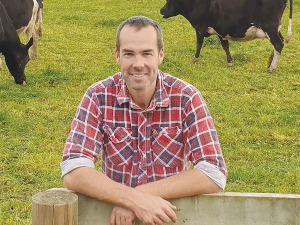
DairyNZ deputy chair Cameron Henderson has been re-appointed unopposed for another term.
OPINION: The stats speak for themselves.
Farms across the upper North Island are trialling different pasture mixes as part of a research programme that aims to build greater resilience into farming systems.
Election years are always a concerning time for farmers, according to DairyNZ chair Tracy Brown.
The Ballance Farm Environment Awards are coming to the West Coast of the South Island.



OPINION: The same mainstream media muppets that brought you Jacindamania in 2017 have been flat out pimping for the Opportunities…
OPINION: Your old mate reckons the atrocious way farmers in the UK are treated by their lords and masters in…