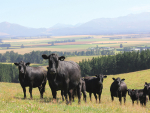
BVD Control Begins Long Before You See A Problem
Bovine Viral Diarrhoea (BVD) is sometimes viewed as a dairy industry issue, but the reality is that the disease can have serious consequences for beef breeding herds as well.




 increase font size
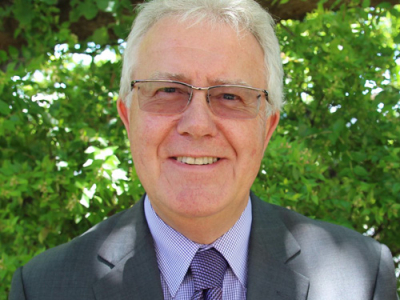 Chairman of the CRC, Dr Martin Barlass.
The biosecurity research partnership between Australia and New Zealand was highlighted at a fruit fly research workshop in Auckland on Wednesday.
The workshop, hosted by New Zealand’s Plant & Food Research and Better Border Biosecurity (B3), features leading scientists from Australia’s Plant Biosecurity Cooperative Research Centre (CRC), presenting the latest CRC fruit fly research as part of a New Zealand research tour by the CRC Board. This also coincides with a meeting of the recently formed New Zealand Fruit Fly Council.
In partnership with New Zealand’s Plant & Food Research and the Bio-Protection Research Centre, the Plant Biosecurity CRC has invested over $AUD4.5 million (NZ$4.7 million) in plant biosecurity research projects.
Chairman of the CRC, Dr Martin Barlass, says research collaboration has been highly valuable for leveraging the exceptional biosecurity science skills base of each country.
“This partnership continues to be especially important for increasing our knowledge of pest species with the potential to devastate horticultural industries in both countries,” he says.
“Fruit fly is not yet present in New Zealand and tomato potato psyllid doesn’t yet have a foothold in Australia. By learning from each other we can maintain pest-free status and protect our agricultural industries from these economically devastating pests.”
Biosecurity has a high profile in both Australia and New Zealand, with the quality science that underpins these world-class biosecurity systems contributing to growing exports for both countries.
Plant & Food Research is a New Zealand government-owned science company which has been a partner in the CRC since 2012. CEO Peter Landon-Lane believes there are a number of advantages from the collaboration with the CRC.
“The CRC partnership provides both partners with access to valuable technologies and expertise,” says Landon-Lane.
“Fruit fly is a major concern for horticulture in New Zealand. With our horticultural industries worth around $7.5 billion, our horticultural exports more than $4 billion, and over 90 per cent of these exports by value vulnerable to fruit fly, it’s essential to keep ahead with the latest in biosecurity research and development.
“The trans-Tasman collaboration boosts scientific capability for both countries,” he says.
New Zealand research organisations are involved in 26 CRC projects, focusing on issues including tomato potato psyllid, fruit fly, cereal rust, diagnostics for bacterial plant pests and community engagement.
“With growth in global trade, travel and tourism exposing both New Zealand and Australia to increasing biosecurity risks, these research collaborations have never been more important,” says Dr Barlass.
Bovine Viral Diarrhoea (BVD) is sometimes viewed as a dairy industry issue, but the reality is that the disease can have serious consequences for beef breeding herds as well.

Election years are always a concerning time for farmers, according to DairyNZ chair Tracy Brown.
Testing confirms H5 bird flu in a single northern giant petrel, found dead on a remote Cape Palliser beach in the Wairarapa, says Dr Mary van Andel, the Ministry for Primary Industries' (MPI) Chief Veterinary Officer.
Bovine Viral Diarrhoea (BVD) is sometimes viewed as a dairy industry issue, but the reality is that the disease can have serious consequences for beef breeding herds as well.
Four years since it was first detected in New Zealand, researchers and growers now know much more about management of maize pest fall armyworm (FAW).


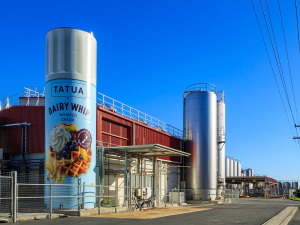
Waikato milk processor Tatua has again declared a record milk payout to farmer shareholders, leaving other processors in the dust.

A Labour-led Government won’t be bringing back the controversial freshwater rules of 2020.
National’s much-touted free trade deal with India featured in the Rural Issues Debate at Mystery Creek, Hamilton on Wednesday night.
New Zealand's 2026-27 freshwater fishing season has opened, with anglers encouraged to head to rivers and lakes over the coming days as conditions look favourable across much of the country.
Central Otago District Council (CODC) has voted against a plan to spread treated sewage sludge from Cromwell and Alexandra on farmland near Lauder, a decision Federated Farmers says reflects strong opposition from rural residents.
Pāmu has released its FY26 Integrated Annual Report, reporting a Net Operating Profit of $113 million, more than double the $49 million recorded in FY25.





OPINION: The same mainstream media muppets that brought you Jacindamania in 2017 have been flat out pimping for the Opportunities…
OPINION: Your old mate reckons the atrocious way farmers in the UK are treated by their lords and masters in…




