NZ Must Prioritise Food Security, Says HortNZ's Malley
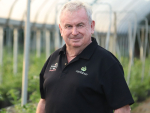
New Zealand needs to make sure that it continues to focus on its own food security, according to HortNZ board member and blueberry grower Dermott Malley.




 increase font size
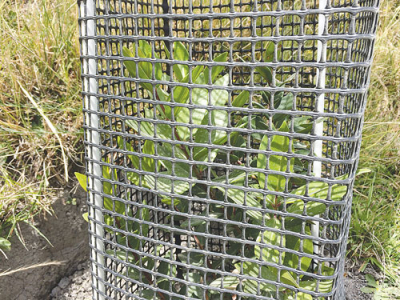 Planting trees is not all about pines, but the right tree for the right place for the right reason – such as pohutukawa.
Hill country farmers’ efforts to prevent soil loss through erosion are being increasingly scrutinised.
This comes from environmental regulators and people wanting cleaner rivers and coastlines, says Northern Hawke’s Bay catchment manager Nathan Heath.
“And there is likely to be increasing regulatory pressure put on landholders who are not doing anything about erosion on their properties,” he says. “But there is money available for landholders to do soil conservation works on their properties.”
This topic will feature at the East Coast Farming Expo at the Wairoa A&P Society showgrounds on March 6 and 7.
Hawke’s Bay Regional Council (HBRC) spokesman Peter Manson says it has a new funding scheme aimed at helping hill country landowners to plant more trees for soil conservation.
“A grant rate of up to 75% is available this year from the Erosion Control Scheme (ECS) for activities that will help to keep productive soil on the hills and out of waterways,” he said.
“Depending on the situation and type of country, funding may be available for tree planting, fencing, associated weed and pest control and in some cases earthworks and structures.”
Manson says this is the highest grant rate made to hill country land owners in 30 years and demand is strong.
“It is likely the grant rate will lessen in the next year or two so the funds can be spread over more properties, so now is the time to get in.”
He says improving water quality in Hawke’s Bay is a key driver of the fund. But keeping organic matter on the hills is also important for pasture production and to store nutrients and soil moisture.
“While excess nutrients such as nitrogen and phosphorus are important on the easier country and flats, sediment is a more important contaminant of rivers flowing out of East Coast hill country. That same sediment often represents loss of productive potential,” Manson says.
“Some ECS work will include fencing and planting around waterways and native bush areas, which will add biodiversity benefits such as protection and creation of indigenous habitats.
“There are some criteria to be met including an assessment of the erosion risk, completion of a simple erosion control plan and finally getting the application approved for funding. Wairoa staff at the HBRC office can help with all of these.”
Another incentive designed, in part, to tackle erosion is the One Billion Trees programme; and it’s not just focused on pine trees, Heath says.
“It’s about the right tree in the right place for the right reasons.
“The challenge for farmers is to identify what is the right tree for them and their farming systems,” he says.
The expo is also an ideal venue for launching new products or releasing new research and technology straight to the target audience. Farmers and landowners can explore new ideas and have their questions answered by experts on the ground.
“If you are a Hawke’s Bay or East Coast farmer wanting to keep your business moving, or an agricultural innovator wanting to spread your message, this event is perfect,” says event director Dave Martin.
Details of the popular evening Muster will be announced soon; the event enables expo attendees and exhibitors to socialise with presenters and keynote speakers.
For more information on the expo or to buy tickets go to: www.eastcoastexpo.co.nz
New Zealand needs to make sure that it continues to focus on its own food security, according to HortNZ board member and blueberry grower Dermott Malley.

The Mountain Warrior Shane Cameron is coming back to his roots as key note speaker at the East Coast Farming Expo Property Brokers Evening Muster in February.
Tradition meets some of the latest in technology at the 2026 East Coast Farming Expo.
There's a special sort of energy at the East Coast Farming Expo, especially when it comes to youth.
Farmers' health and wellbeing will take centre stage with a new hub at the 2026 East Coast Farming Expo.


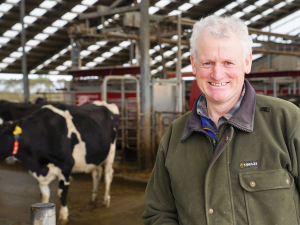
In Dacre, near Invercargill in New Zealand’s South Island, Bruce Dinnington is running a dairy operation unlike any other.

A free online platform aggregating governance vacancies across rural and regional New Zealand has been launched.
Environment Minister Nicola Grigg has announced details of a new rural plastics recycling scheme.
Agricultural drone operators say that a government decision to allow lower-risk drone work without certification won’t lower standards but drive innovation and efficiency.
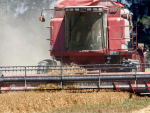
OPINION: Warning bells are ringing in the arable sector.
Farmgate lamb prices are down by 8%, beef cattle by 4.5% and farm expenditure up by 4.2%.


OPINION: The same mainstream media muppets that brought you Jacindamania in 2017 have been flat out pimping for the Opportunities…
OPINION: Your old mate reckons the atrocious way farmers in the UK are treated by their lords and masters in…




