
M.I.A.
OPINION: The previous government spent too much during the Covid-19 pandemic, despite warnings from officials, according to a briefing released by the Treasury.




 increase font size
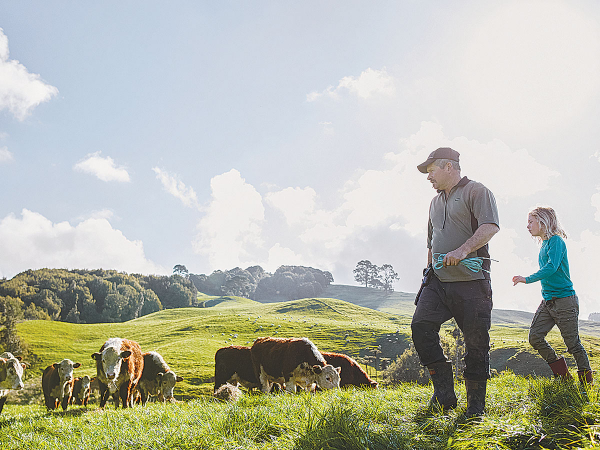 Sheep and beef farmers may have to manage more volatility and risks in the coming year. Photo Credit: Paul Sutherland Photography.
NZ sheep and beef farmers will likely face different risks to their businesses in the coming years due to the Covid pandemic.
Beef+Lamb NZ's chief economist Andrew Burt says there may be more volatility and risks that farmers will have to manage. He says these will be ones that they haven't had to think about before or haven't surfaced for over 20 years.
"It may be the case of unravelling the past and creating a new order."
Burt confirms that while prices for meat are high at present, this is somewhat shielding significant rises in on-farm costs. He also warns that inflation could have a negative effect on farm profits.
He says the obvious big ticket item that has risen in price is fertiliser. Labour costs are another headwind facing farmers. Burt says there are many factors linked into the sudden rise in fertiliser prices. Shipping is the obvious one with freight rates trebling, but Burt also points to supply chain issues.
"Hurricane Ida, which hit the United States last year, put out of action one of the biggest fertiliser works in the world, which meant that deliveries to all parts of the world stopped," he told Rural News. "There are other plants that have closed because of the spike in the price of natural gas - the energy form used to drive these facilities."
Burt says to add to the problem, China has put limits on the export of key ingredients for fertiliser - namely sulphur - apparently in a bid to hold fertiliser in China for domestic use. He's also heard stories about farmers overseas hoarding fertiliser for fear of further shortages and wonders whether this may happen in NZ as well.
Meanwhile, high prices for energy in the northern hemisphere winter could potentially affect NZ producers. There are concerns that if energy/heating prices soar, consumers will not have the cash to buy high end food.
"What will happen in the next six months is very hard to predict," Burt adds. He says in terms of equity in their properties, a significant number of sheep and beef farmers are better off than their dairy counterparts. But he notes there will be some exceptions to this. He predicts that interest rates will rise but says this will not impact overnight and may take time to show on farm balance sheets.
As well as the Covid factor, there remains the normal and unpredictable impacts such as weather and the availability of killing space. Burt says every farmer will handle the situation differently but says at this time of uncertainty a cautious approach would be wise.
OPINION: The previous government spent too much during the Covid-19 pandemic, despite warnings from officials, according to a briefing released by the Treasury.
OPINION: Labour leader Chris 'Chippy' Hipkins is carrying on the world-class gaslighting of the nation that he and his cohorts started after their disastrous Covid response; now trying to undermine the Covid inquiry to protect his own backside.
OPINION: Did former PM Jacinda Ardern get fawning reviews for her book?
OPINION: Welcome to the second annual NZ Dairy Expo at Matamata – an event created to bring together the best of the New Zealand dairy industry in a focused, grassroots environment where dairy farmers and rural professionals can meet, talk, compare products, and make smart decisions for their farms.
It's a bloody tough year for sheep farmers, but the worst may be over, and the future looks optimistic.


Alliance is calling for final applications for its 2027 Graduate Programme, with applications closing on Sunday 25 October.
Decades piloting planes has ensured vet and farmer David Hayes is focused on safety. So, after a serious accident while welding on farm, he is sharing his experience so others can learn from it.
Canterbury milk processor, Synlait Milk has confirmed Leon Fung as its chief executive officer.
OPINION: Making it easier to collect rainwater and use it to grow crops and livestock is a no brainer.
As part of its Election 2026 coverage, Rural News asked political parties how they would help pull the arable sector out of the doldrums. Here's what they said:
Farmers are being encouraged to rethink how they manage waste on farm with the launch of ruralwastesorted.co.nz, a new website bringing together practical tips, real farmer experiences and resources.


OPINION: The same mainstream media muppets that brought you Jacindamania in 2017 have been flat out pimping for the Opportunities…
OPINION: Your old mate reckons the atrocious way farmers in the UK are treated by their lords and masters in…