
M.I.A.
OPINION: The previous government spent too much during the Covid-19 pandemic, despite warnings from officials, according to a briefing released by the Treasury.




 increase font size
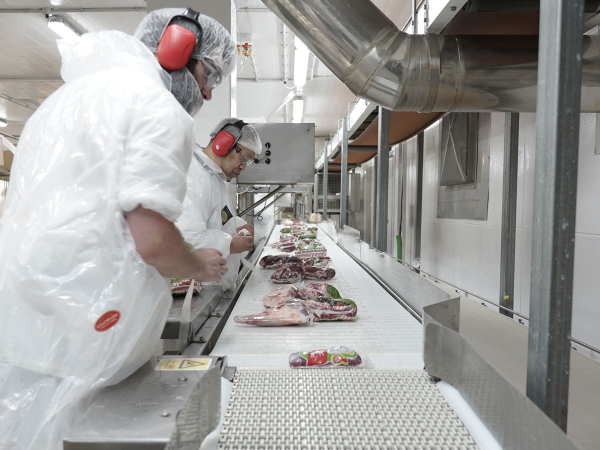 The National Secretary of the Meat Workers Union is requesting for members to get vaccinated against Covid-19.
Get vaccinated - that's the message from the National Secretary of the Meat Workers Union to his members.
Daryl Carran says the union is quite clear that, as the meat industry is an essential industry, workers should be vaccinated.
He says while there is no mandatory requirement for this now, the idea of a mandatory health declaration to this effect would not be a bad thing.
Carran's come as the Ministry for Primary Industries (MPI) works on the details of requiring vaccinations within the primary sector workforce in situations where it will help to safeguard market access. MPI is currently having discussions with industry to frame up what this might mean in practice.
There's currently no legal requirement for mandatory vaccinations for market access purposes.
Carran says, from what he's heard, vaccination rates for meat industry workers varies from region to region.
"The further north in the country you go it would appear the vaccination rates are lower," he told Rural News.
Carran says he'd like to see a significant lift in vaccination rates for Maori and Pasifika workers who form the majority of the workforce in the industry in the North Island.
"Having a mandatory vaccination policy is not a bad thing when you have people working shoulder to shoulder in quite adverse climatic conditions within large or even small factories," he adds.
One of the concerns around Covid vaccinations that Carran raises is being talked about right across the primary sector: That is the risk of NZ products being rejected by a key market - such as China - because workers in a plant are not vaccinated, or worse that there is an outbreak of Covid in a plant.
OPINION: The previous government spent too much during the Covid-19 pandemic, despite warnings from officials, according to a briefing released by the Treasury.
OPINION: Labour leader Chris 'Chippy' Hipkins is carrying on the world-class gaslighting of the nation that he and his cohorts started after their disastrous Covid response; now trying to undermine the Covid inquiry to protect his own backside.
OPINION: Did former PM Jacinda Ardern get fawning reviews for her book?
OPINION: Welcome to the second annual NZ Dairy Expo at Matamata – an event created to bring together the best of the New Zealand dairy industry in a focused, grassroots environment where dairy farmers and rural professionals can meet, talk, compare products, and make smart decisions for their farms.
It's a bloody tough year for sheep farmers, but the worst may be over, and the future looks optimistic.


A major move is about to get underway to improve the quality and viability of dairy beef and cattle in NZ.
Veterinarians say changes to the code of welfare for dairy cattle provides a positive foundation for improved cattle welfare across the country.
Today, 15 October, is the International Day of Rural Women, which recognises rural women’s contribution to farming, communities and the environment.
Global dairy giant Lactalis has integrated its Australian operations with the Mainland Dairy consumer business it acquired from Fonterra earlier this year.
After almost two decades of sharemilking, saving and building equity, Aaron and Marcia Flay this year realised their long-held dream of settling on their first dairy farm.
Good medium to long term prospects for NZ beef, especially in the US, has heighted the focus on various initiatives to capitalise on this situation.



OPINION: The same mainstream media muppets that brought you Jacindamania in 2017 have been flat out pimping for the Opportunities…
OPINION: Your old mate reckons the atrocious way farmers in the UK are treated by their lords and masters in…




