Sector agreement could ease labour shortage
The Meat Industry Association (MIA) claims a new sector agreement could be vital in addressing the significant labour shortages in New Zealand’s meat processing sector.




 increase font size
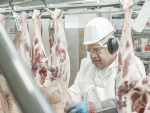
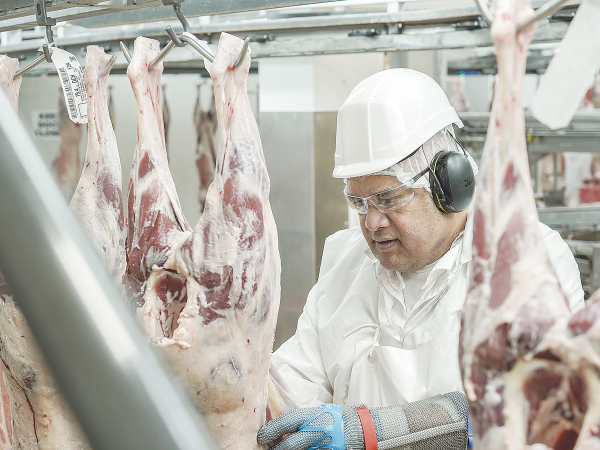 Meat sector unions are concerned by a new sector agreement which will see migrant workers paid beneath the median wage.
Meat sector unions are crying foul over a plan to pay migrant workers less than the median work for short stints in processing plants.
The 'sector agreement' unveiled by the Government will allow 300 migrants to work for $24/hour for seven months, the wage threshold will be updated each year to reflect changes in the median wage to maintain its relative value.
New Zealand Meat Workers Union general secretary Daryl Carran says, while he welcomes extra workers for the labour-strapped meat processing sector, he disagrees with the low wages on offer.
Carran says meat company profits are rising dramatically and they can afford to pay migrant workers way more than $24/hour.
"Despite rising shipping costs, meat processors are doing very well. Global prices are strong and profit per unit of cattle, lamb and mutton remain very high," he told Rural News.
"We believe there's no justification for paying migrant workers $24/hour.
"Profits for meat companies have risen drastically and there's no need to pay migrant workers below the median wage."
The meat processing sector employs between 18,000 to 23,000 workers at peak season but face a shortfall of about 5,000 workers. Most workers are paid between $18 to $30/hour.
Carran says he hasn't received full details of the agreement but hopes that pastoral care of migrant workers is enshrined in the deal.
He says the meat processing sector should not follow down the path of the horticulture sector, where some employers have been accused of exploiting Pacific Island workers.
FIRST Union, which represent workers at plants supplying supermarkets and retailers, says it wasn't consulted. Union general secretary Dennis Maga says the agreement will undermine wages and conditions in key sectors and would have never been agreed to if actual consultation had taken place.
"We represent workers in three of the five industries for which sector agreements have been announced but there has been no consultation with us whatsoever," he told Rural News.
"Given the lack of consultation on this proposal, it's difficult to escape the conclusion that this is a cheap labour stitch-up between the Government and businesses."
However, the Meat Industry Association (MIA), which represents meat processors, says the agreement should go a long way to addressing the significant labour shortages in the meat processing sector.
"Labour shortages have been a significant issue for the meat processing sector for some time, so this agreement is a welcome boost to our own domestic recruitment efforts," says MIA chief executive Sirma Karapeeva.
"Without sufficient employees, processors cannot run plants to the desired capacity, fully process all products and capture the maximum value."
She says this not only deprives processors and farmers of revenue but also rural communities and the New Zealand economy of income.
"Meat processors are predominantly based in the regions so enabling meat processors to operate at their desired capacity will provide additional money to the communities where they are located."
The Meat Industry Association (MIA) claims a new sector agreement could be vital in addressing the significant labour shortages in New Zealand’s meat processing sector.
Meat workers are tired and fatigued with having to deal with Omicron in meat processing plants around the country.
An historic employee entitlement claim of nearly $20 million severely dented meat processor Alliance Group’s annual result this year.



The primary sector is leading New Zealand's economic recovery, according to economist and researcher Cameron Bagrie.

Dairy industry leader Jim van der Poel didn't make much of the invitation he received to the recent New Zealand Dairy Industry Awards in Rotorua.
Farmers around the country are going public big time, demanding their local district, city and regional councils come up with amalgamation plans that meet the needs of rural communities and don't allow urban councils to dominate.
The battle for the rural vote is on and parties are securing high profile names to try and bolster their chances at the general election.
Horticulture New Zealand says proposed changes to the Plant Variety Rights Act 2022 will drive innovation, investment and long-term productivity.
More than 1200 exhibitors will showcase their products and services at next month’s National Fieldays, with sites nearly sold out.





OPINION: It's been an eye-opener watching the big media companies behaving exactly like the powers-that-be who the crusading hacks from…
OPINION: Town and country find themselves on the same page when it comes to anger over price hikes from NZ…