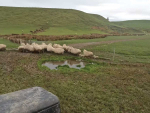
Southland Farmer Faces $120k Lamb Loss After Wet Spring
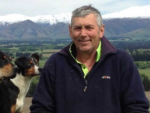
Southland's wet winter and spring will potentially cost Wyndham sheep and beef farmer Ben Dooley between $100,000 and $120,000 in lamb losses.




 increase font size

COWS THAT have become ill, with some dying, after grazing on swede crops has seen veterinarians in Southland practices at the forefront of dealing with this animal health issue.
"Veterinary practices in Southland first noticed unusual signs of liver disease in autopsies of cows on swedes in July," says Dr Mark Bryan, of the New Zealand Veterinary Association.
"We then started to go back and look at unusual cases in winter prior to that, and work forward collecting more bloods and post mortem samples to complete the picture. We have been finding significant liver and sometimes kidney damage in many cases. Investigations are continuing and we have collected huge amounts of data from over 40 farms and are now helping DairyNZ to get more of the answers we need to address this problem.
"Symptoms for cows that have eaten swedes in the region include photosensitivity, weight loss and/or ill thrift. There is increased mortality and animals appear to be more susceptible to other diseases. We are monitoring farms to determine any chronic or long-term subclinical effects.
"If symptoms appear we encourage farmers to stop feeding swedes to their cows and to provide an alternative feed, along with water and shade for any animal showing signs of photosensitivity, and to contact their vet. We are also suggesting that if farmers are concerned, they get a proportion of their cows blood sampled to determine the extent, if any, of liver damage."
Information from PGGW has confirmed the veterinarians' initial suspicion that the HT variety of swedes is linked to the majority of cases.
"We will continue to work closely with Dairy NZ and other rural health professionals to further understand the cause and provide more advice to farmers."
Dr Bryan says that veterinarians have helped set up a working group to be led by DairyNZ and that Southland veterinary practices are in close contact and working together.
Southland's wet winter and spring will potentially cost Wyndham sheep and beef farmer Ben Dooley between $100,000 and $120,000 in lamb losses.
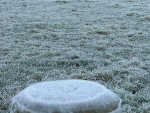
Managing feed by sticking to a firm plan has helped the Southern Dairy Hub (SDH) demonstration farm survive an extremely wet winter, says the farm's acting general manager Greg Delaney.
Farmers across parts of Southland and South Otago are continuing to deal with difficult conditions after a prolonged run of wet weather, with pressure building around feed supply, stock management, pasture damage, farm infrastructure and everyday workloads.
In Dacre, near Invercargill in New Zealand’s South Island, Bruce Dinnington is running a dairy operation unlike any other.
OPINION: The stats speak for themselves.



Alliance is calling for final applications for its 2027 Graduate Programme, with applications closing on Sunday 25 October.
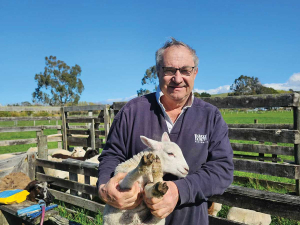
Decades piloting planes has ensured vet and farmer David Hayes is focused on safety. So, after a serious accident while welding on farm, he is sharing his experience so others can learn from it.
Canterbury milk processor, Synlait Milk has confirmed Leon Fung as its chief executive officer.
OPINION: Making it easier to collect rainwater and use it to grow crops and livestock is a no brainer.
As part of its Election 2026 coverage, Rural News asked political parties how they would help pull the arable sector out of the doldrums. Here's what they said:
Farmers are being encouraged to rethink how they manage waste on farm with the launch of ruralwastesorted.co.nz, a new website bringing together practical tips, real farmer experiences and resources.

OPINION: The same mainstream media muppets that brought you Jacindamania in 2017 have been flat out pimping for the Opportunities…
OPINION: Your old mate reckons the atrocious way farmers in the UK are treated by their lords and masters in…




