What Would Synlait Be Worth to Fonterra or a2 Milk?
Speculation of a possible joint move by Fonterra and a2 Milk to buy Synlait raises a much bigger strategic question, says agribusiness expert Dr Nic Lees.




 increase font size
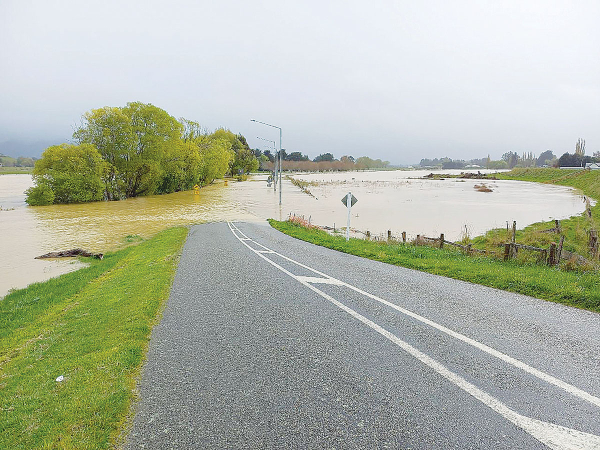 MPI says many farmers are concerned at the long-term implications of the floods.
A group of volunteers from Lincoln University known as the 'Handy Landies' is among those descending on Otago to help farmers get their properties back to normal.
Dr John Roche, the Director of Ministry for Primary Industries (MPI)'s 'On Farm Support' team, says the cleanup in Otago has begun.
Community and sector groups, including the Rural Support Trust and his own team, are working closely together to get a clear understanding of farmers' needs, to make sure they get the help and support they need.
He says the volunteer groups will be helping farmers clear and repair fences and clear riparian areas to make sure these are not lost.
"The locals have been told to keep an eye on the Facebook pages to find out where the working bees are being held so that they can get along and help out as well," Roche told Rural News.
Roche says there's been a concerted effort by MPI and all the groups involved to contact farmers. He says his organisation has proactively contacted more than 140 farmers. He says they are monitoring the feed supply situation and adds that Federated Farmers is doing a good job in this area.
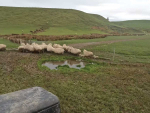
In Southland, the situation is very different to the floods in Otago. Roche says Southland got twice the average rainfall for September and that came on top of already sodden pastures. He says pasture growth is slow and fewer supplements are available, right when dairy farmers are moving into mating their cows.
"Many are concerned at the long-term implications of the weather, including the condition of cows at this time of the year," he says.
Roche says in Otago it's been a hard season with the province going from a long dry spell to persistent rain. He says the key thing from now on is to get farmers together to talk through their individual situation and not stay stuck on their properties worrying.
He says all the community and sector groups are doing a great job running events and doing their best to support farmers and their families.
"With the rain still coming, that doesn't help, and I know from my own experience there is nothing worse than constantly putting on your wet weather gear in the middle of October.
"It's not good for morale or mental health and so the most important thing now is that people look after each other. Summer will come," he says.
Speculation of a possible joint move by Fonterra and a2 Milk to buy Synlait raises a much bigger strategic question, says agribusiness expert Dr Nic Lees.

Testing confirms H5 bird flu in a single northern giant petrel, found dead on a remote Cape Palliser beach in the Wairarapa, says Dr Mary van Andel, the Ministry for Primary Industries' (MPI) Chief Veterinary Officer.
The apple sector is working with the Government to unlock access to two key markets that could bring millions in revenue for apple growers.
Lynnette Hudson's 30-year obsession with Pinot Noir was sparked working vintage in Burgundy, seeing how subtle changes in terroir were expressed in the glass. It was, she says, "an elightening moment in every way".
A four year trial has reaffirmed that mixing plantain into dairy pastures can help reduce nitrogen losses to freshwater while maintaining milk production and profitability, say researchers.


Decades piloting planes has ensured vet and farmer David Hayes is focused on safety. So, after a serious accident while welding on farm, he is sharing his experience so others can learn from it.
Canterbury milk processor, Synlait Milk has confirmed Leon Fung as its chief executive officer.
OPINION: Making it easier to collect rainwater and use it to grow crops and livestock is a no brainer.
As part of its Election 2026 coverage, Rural News asked political parties how they would help pull the arable sector out of the doldrums. Here's what they said:
Farmers are being encouraged to rethink how they manage waste on farm with the launch of ruralwastesorted.co.nz, a new website bringing together practical tips, real farmer experiences and resources.
New Zealand Winegrowers (NZW) is celebrating the India-New Zealand Free Trade Agreement (FTA) coming into force today, bringing New Zealand wine improved access to one of the world’s fastest-growing economies.


OPINION: The same mainstream media muppets that brought you Jacindamania in 2017 have been flat out pimping for the Opportunities…
OPINION: Your old mate reckons the atrocious way farmers in the UK are treated by their lords and masters in…




