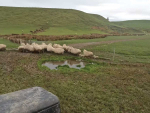
Southland Farmer Faces $120k Lamb Loss After Wet Spring
Southland's wet winter and spring will potentially cost Wyndham sheep and beef farmer Ben Dooley between $100,000 and $120,000 in lamb losses.




 increase font size
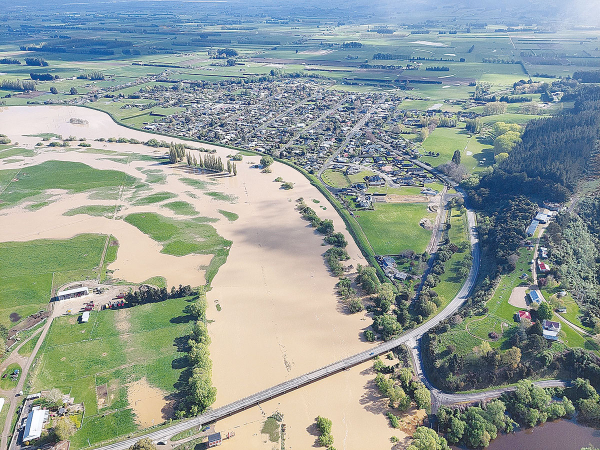 In Otago with pastures being under water, feed will be at premium and not helped by the fact that a matter of weeks ago the region was in a drought.
Multiple agencies are working to help farmers in Otago hit by the recent floods and Southland farmers who have faced many months of adverse weather.
The Government has pitched in with an initial $50,000 and banks and other companies are also offering rescue packages to help farmers through what is described by some as the worst they have experienced.
One of the organisations playing a leading role in assessing the gravity of the situation is the Ministry for Primary Industries (MPI) through its On Farm Support Team.
Team director Dr John Roche says they are dealing with two different chronic problems. He says his team is proactively going out into the field and on to farms to get a full understanding on the overall extent of the disaster and to look at the needs of individual farmers.
He says they are also passing on this information to the Otago Regional Council so that they can take actions to alleviate the problems farmers are facing.
Roche says his team has been explaining to the council some of the issues farmers are facing, such as effluent storage, which becomes a problem with flooding. He says the regional council has also cut some floods banks so that water on pastures can be drained off quickly.
“The situation is that Southland has been battered for several weeks now with persistent rain - over 200% of September rain falling - and farmers are struggling through that and looking for some respite, but the current weather forecast isn’t giving that,” he told Dairy News.
“The Otago situation is an acute flooding event, and the outcome could have been worse but for early warning about the heavy rain which enabled farmers in most cases to move stock to higher ground.”
Roche says MPI’s animal welfare people have been working closely with farmers to ensure stock are being looked after. He says in some cases farmers were without power and were unable to milk cows, but he believes that only a small number of farmers had to dispose of milk.
A problem in both regions, says Roche, will be feed supplies for stock. He says in the case of Otago, with pastures being under water, feed will be at premium and not helped by the fact that a matter of weeks ago the region was in a drought.
“In Southland you have a different situation with that persistent weather and the damage that has been done to pastures, and preparing for the spring. Even ground for next winter’s crop is going to be challenged,” he says.
Right now, Roche’s On Farm Support team is busy gathering intelligence about the situation on farms and will be feeding this back to government to help in future decisions about what assistance to give to farmers and rural communities. He says they recently held a meeting of landowners in Balclutha which was very well attended.
“I am in touch with my regional manager daily and she is keeping me informed. What I find impressive is the fact that all the agencies and organisations involved in dealing with the events in Otago and Southland are working extremely well together and helping in the recovery operation,” he says.
.
Southland's wet winter and spring will potentially cost Wyndham sheep and beef farmer Ben Dooley between $100,000 and $120,000 in lamb losses.

Managing feed by sticking to a firm plan has helped the Southern Dairy Hub (SDH) demonstration farm survive an extremely wet winter, says the farm's acting general manager Greg Delaney.
Farmers across parts of Southland and South Otago are continuing to deal with difficult conditions after a prolonged run of wet weather, with pressure building around feed supply, stock management, pasture damage, farm infrastructure and everyday workloads.
In Dacre, near Invercargill in New Zealand’s South Island, Bruce Dinnington is running a dairy operation unlike any other.
OPINION: The stats speak for themselves.


Decades piloting planes has ensured vet and farmer David Hayes is focused on safety. So, after a serious accident while welding on farm, he is sharing his experience so others can learn from it.
Canterbury milk processor, Synlait Milk has confirmed Leon Fung as its chief executive officer.
OPINION: Making it easier to collect rainwater and use it to grow crops and livestock is a no brainer.
As part of its Election 2026 coverage, Rural News asked political parties how they would help pull the arable sector out of the doldrums. Here's what they said:
Farmers are being encouraged to rethink how they manage waste on farm with the launch of ruralwastesorted.co.nz, a new website bringing together practical tips, real farmer experiences and resources.
New Zealand Winegrowers (NZW) is celebrating the India-New Zealand Free Trade Agreement (FTA) coming into force today, bringing New Zealand wine improved access to one of the world’s fastest-growing economies.


OPINION: It seems Canterbury processor Synlait is still in the doldrums.
OPINION: Get offside with New Zealand First leader Winston Peters at your own peril.




