The biggest yet
Rural contractors from around the country descended on the Bay of Islands in late June for this year's RCNZ annual conference.




 increase font size

RURAL CONTRACTORS New Zealand is questioning the high cost of machinery and parts charged contractors and farmers.
President Steve Levet says with the falling forecast milk price for the coming season dairy farmers are going to be careful when making decisions this year: cost cutting will be top of mind.
“With the reality of a lower dairy payout this year, sheep and beef farmers already under the pump and arable producers also feeling the squeeze, further pressure is going to come on contractors to at least hold or reduce our costs.
“Rural contractors do not have the luxury or the ability to absorb continued cost increases and just pass them on in our pricing to clients. So just as farmers are not able to wear price increases, contractors certainly cannot afford to carry on losing money either.”
Levet says rural contracting is a tough business and in today’s highly competitive environment it is not easy to make a profit.
“Contractors are already running pretty tight operations and there is not a lot – or in most cases any – fat to cut.”
He says like their farmer clients. rural contractors will have to look at reducing their costs.
“For most rural contracting businesses one key area of cost is machinery and parts. Ask anyone about the cost of parts and they will all tell you the same thing – eye-watering!”
Levet says this has prompted many contractors and farmers to look at sourcing parts from either non-aligned dealers and/or the internet.
“Just like consumers in the other parts of the economy, many rural contractors are finding the attraction and availability of cheaper goods via the internet a genuine way for them to cut costs.”
He admits there are risks in not sourcing parts from machinery dealers, including no guarantee of such goods being ‘genuine’ parts and/or the lack of service back-up when using these non-dealer-sourced parts.
“Yet despite such risks many rural contractors are still choosing to source their parts this way, purely because of the huge price savings they can make by doing this.”
Levet says he is not making a direct criticism of machinery dealers, but highlighting an example of the cost problems facing rural contractors and what some are doing to reduce their costs.
“Most of us would agree this situation is not ideal and if there is a way rural contractors and machinery dealers can resolve this issue, then RCNZ is keen to be party to this,” he adds. “Anything that will help lessen our costs and improve the bottom line has got to be a good thing.”
Rural contractors from around the country descended on the Bay of Islands in late June for this year's RCNZ annual conference.
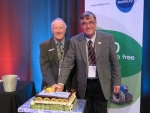
A record turnout of 153 contractors, from all around the country, descended on the Bay of Islands for this year's RCNZ annual conference.
Rural contractors have been reminded to play their part in preventing the spread of velvetleaf as management of the pest weed enters a new phase.
Agricultural contractors around the country must play their part in helping to prevent the spread of the invasive weed velvetleaf.
This month marks the launch of new health and safety laws making all of us doing a job more responsible for creating safe working environments.

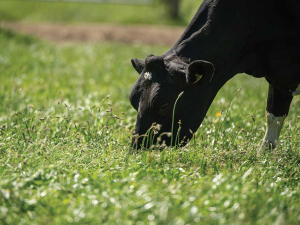
Farms across the upper North Island are trialling different pasture mixes as part of a research programme that aims to build greater resilience into farming systems.
Election years are always a concerning time for farmers, according to DairyNZ chair Tracy Brown.
The Ballance Farm Environment Awards are coming to the West Coast of the South Island.
Most dairy regions around the country have had a pretty good season so far says Tracy Brown.
Rural leader Mark Hooper has been appointed as an independent director to the NZPork board, bringing extensive farming, governance and advocacy experience to the role.


OPINION: The same mainstream media muppets that brought you Jacindamania in 2017 have been flat out pimping for the Opportunities…
OPINION: Your old mate reckons the atrocious way farmers in the UK are treated by their lords and masters in…