DairyNZ says a Sustainable Catchments programme launched this month will see local farmers, DairyNZ and iwi working together to help improve the health of the Pokaiwhenua catchment in the South Waikato.
The initiative, part of a three-year Sustainable Catchments programme, will deliver work in the Pokaiwhenua (Waikato) and Waimea (Southland) catchments, and across South Canterbury.
It is the first project of its kind that has seen DairyNZ work closely with iwi, bringing western science and Mātauranga Māori together to understand the ecological health of the catchment and how to improve it. The Pokaiwhenua Catchment Group will also be extensively involved in the project.
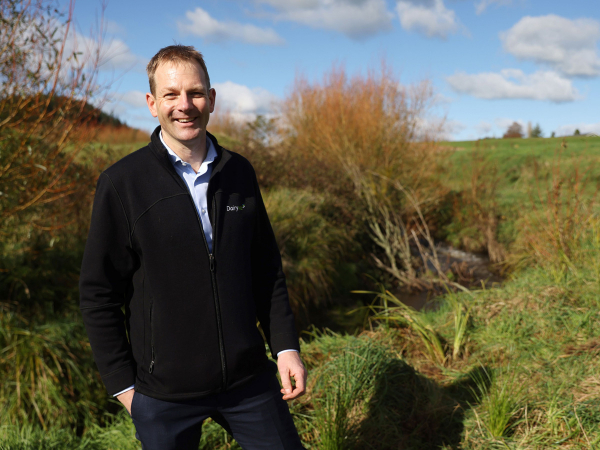
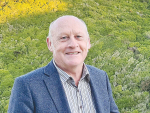
DairyNZ general manager for sustainable dairy Dr David Burger says it’s exciting to get the project underway, with its official launch held last week.
“It means a lot for DairyNZ to be partnering with organisations that have similar goals and aspirations. We look forward to moving forward with iwi and farmers to make a difference to the environment, and we hope to identify further partnership opportunities as we continue to focus on environmental improvements at a catchment level.”
The Sustainable Catchments project will include trialling practical tools and interventions on-farm, such as constructed wetlands, to increase awareness and understanding of ways to improve water quality.
The three catchment are identified as priority areas for restoration because monitoring shows they have higher nitrogen concentrations and lower ecosystem health scores than other catchment areas.
“There are opportunities for improvement in each catchment,” Burger says. “Each catchment has committed landowners who are passionate about improving water quality, and this work will help accelerate the momentum of current restoration activities.
“We will work closely to support local landowners and catchment groups, which already have water quality improvement initiatives underway.”
The first year of work will see catchment assessments completed, including designing monitoring programmes to track water quality and hauora (health) change over time. In the second year, on-farm and catchment activity will demonstrate mitigations with proven science to improve the health of catchment waterways.
“Catchment work is widely recognised as the way forward in improving the environment, as it achieves better results than a national one-size-fits-all approach,” Burger says.
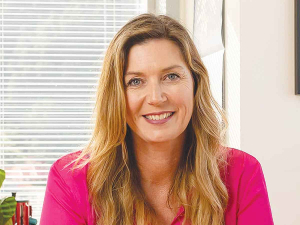
DairyNZ is partnering with the Raukawa Charitable Trust in the Pokaiwhenua catchment, where the programme has launched. Raukawa Charitable Trust tumu whakarae (general manager) Maria Te Kanawa says her organisation is excited to be involved with this programme.
“Raukawa are committed to our responsibilities as kaitiaki throughout our takiwā (region). As such, we have a key role to play in the revitalisation and restoration of the wider Pōkaiwhenua catchment. We believe, through the inclusion of Mātauranga Māori alongside western science, that we can bring about positive change.
“We are pleased to be partnering with DairyNZ and local farmers as we collectively work towards healthier waterways in this catchment area.”
DairyNZ has received $3.4 million in government funding for the programme. This funding comes from the Essential Freshwater Fund (EFF), administered by the Ministry for the Environment (MfE) to help improve water quality and reverse past damage to waterways. DairyNZ is contributing a further $1.2 million towards the programme.
The Sustainable Catchments programme is one of 11 funded by MfE.