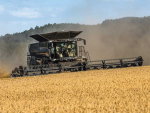
The Amuri Basin Future Farming (ABFF) Project in North Canterbury is making considerable strides in improving irrigation efficiency, riparian management, and environmental innovation.
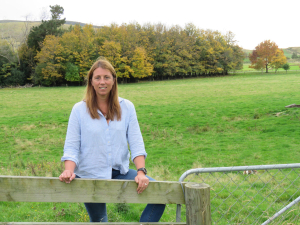
Amuri Irrigation Company (AIC) environmental manager Rachael Vaughan says recent initiatives underscore the collective commitment of farmers in the Basin to enhance water quality and environmental outcomes.
Vaughan says the 13 farmer catchment groups continue to meet regularly, focusing on irrigation efficiency strategies, nutrient management, and riparian enhancement.
“These collaborative sessions are vital for sharing knowledge and fostering innovation across the region.”
She says the distribution of irrigation efficiency reports, which highlighted the cost of overwatering, and individual nitrogen loss data, sparked some controversy but ultimately led to constructive dialogue and positive action. This initiative has encouraged farmers to critically assess their water usage practices.
Vaughan says farmers have embraced data-driven tools, such as weather stations installed in late 2023, and adopted improved systems for irrigation management. Engagement in efficiency discussions has spurred positive behaviour changes, with many installing additional soil moisture meters and upgrading technology.
A new water usage visualisation tool is under development and will be available through the AIC water portal in early 2025, providing farmers with real-time insights into irrigation trends.
She says irrigation efficiency results have been impressive.
Despite the dry conditions of the 2023/24 season, 88% of farmers achieved 90% or higher irrigation efficiency, reflecting their dedication to optimising water use and meeting water management goals.
High-resolution aerial imagery and GIS mapping are aiding riparian surveying and the creation of catchment-wide risk maps. These maps identify existing riparian features and highlight opportunities for further enhancement. In addition, farm-specific risk maps will pinpoint critical source areas and potential risks to freshwater, supporting farmers’ preparation for the upcoming Freshwater Farm Plans required by national standards.
 |
|---|
|
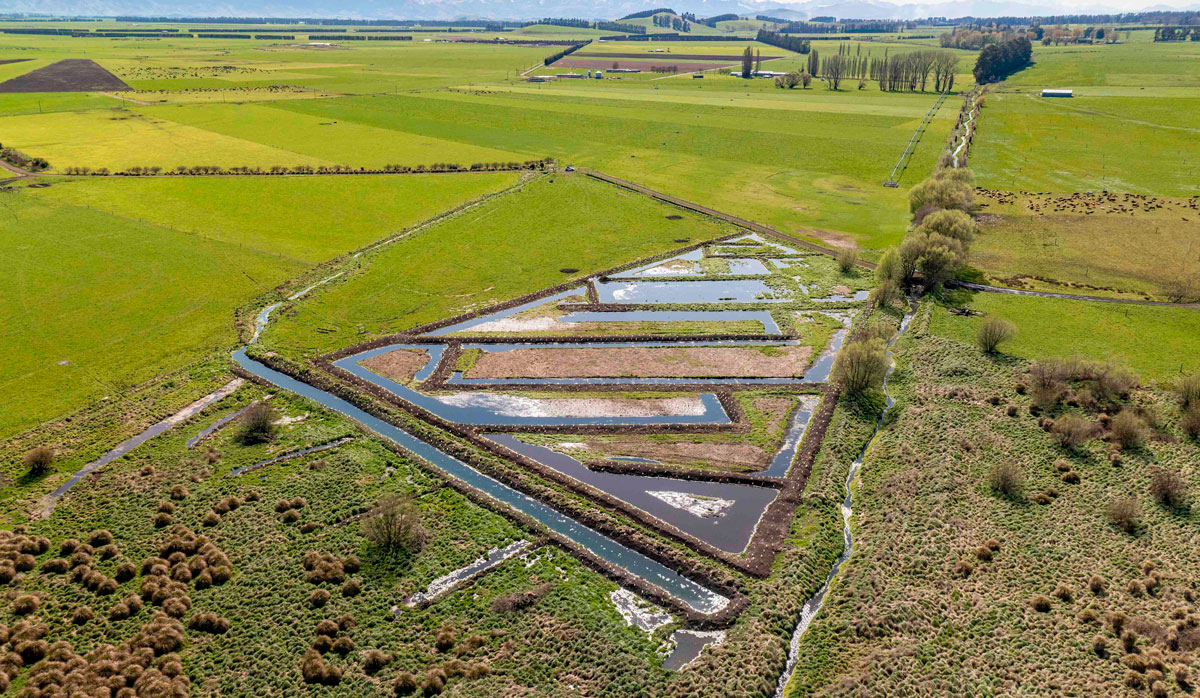
The Delaney Wetland pilot
|
Vaughan says that future catchment group meetings will transition to farm-based field days.
“This hands-on approach will allow farmers to engage directly with the risk maps and explore practical, real-time solutions to local challenges.”
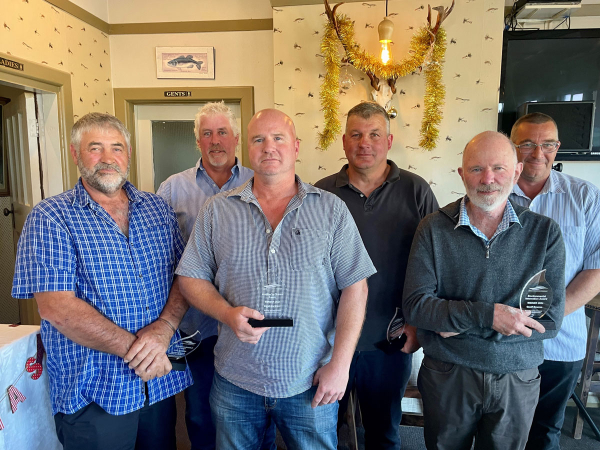
This week AIC held its annual awards. Vaughan says the awards celebrate environmental leadership, innovation, and irrigation efficiency within the farming community.
“The initiative fosters healthy competition and inspires farmers to achieve outstanding environmental results.”
The following awards were handed out:
Environmental Innovation Award
The Environmental Innovation Award recognises progressive efforts to address environmental challenges. This year’s winner is Geoff Bowron, whose commitment to managing his border dyke system at an exceptional standard while exploring innovative ways to irrigate without compromising on-farm biodiversity made him stand out amongst the nominees. Geoff’s dedication to exploring creative ways to stabilise river margins reflects his forward-thinking approach to sustainability.
Environmental Leadership Award
The Environmental Leadership Award honors individuals who inspire others with their vision and actions. This year, the award goes to Stuart Neill, who has spent 20 years prioritising soil and water quality. Stu’s pioneering efforts, such as removing tile drains, intensive planting, reducing stock numbers and creating nutrient-capturing ponds, have significantly improved biodiversity and water quality, removing 95% of nitrates on his farm. His willingness to share knowledge at catchment group meetings is greatly appreciated.
 |
|---|
|
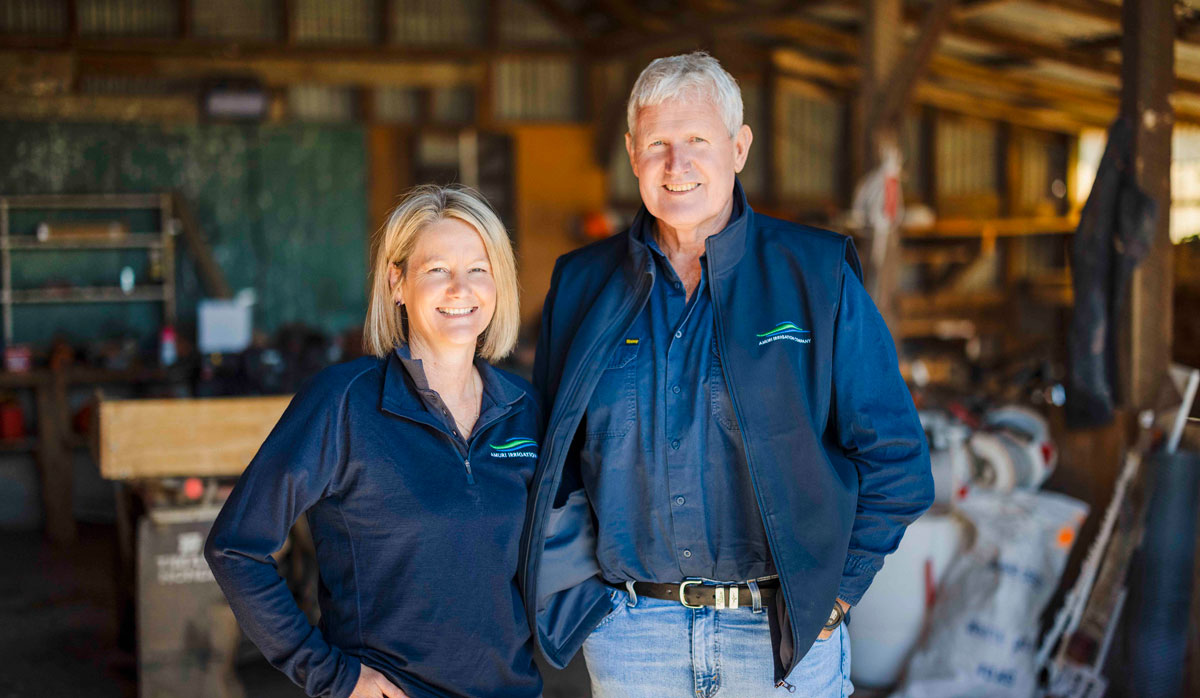
Rachel Vaughan, Environmental Manager, and Mike Hennessy, Environmental Project Lead, Amuri Irrigation Company
|
Auditor’s Choice Award
Selected by the independent Farm Environment Plan auditing team, this award recognises exceptional environmental management through the eyes of those who assess farming operations up close. The 2024 winner is Nigel Gardiner, a standout operator who exemplifies excellence through consistently high standards, exceptional information management, and innovative communication practices to mitigate environmental risks, demonstrating a genuine commitment to sustainability.
Most Accurate Water Ordering Award
This award acknowledges the farm with the highest accuracy in matching water orders with actual usage during the 2023/2024 season. Congratulations to Aaron Bunt – Fenland, who demonstrated excellent water management practices.
Collective Initiative Award
This award celebrates a catchment group’s collaborative efforts to improve environmental outcomes. The Countess Stream Group took home the award for their work fencing off wetlands, managing hill country erosion, extensive weed control and implementing water quality testing to track improvements. Members are actively researching and adopting new practices for wintering and erosion management, demonstrating their willingness to invest in the long-term health of their land and waterways. The award was accepted by the group’s Lead Farmer, Wally Jamieson.
Collective Irrigation Efficiency Award
Every member of the Mt Palm Catchment Group achieved over 90% irrigation efficiency for the 2023/2024 season, the only catchment group to do so.